

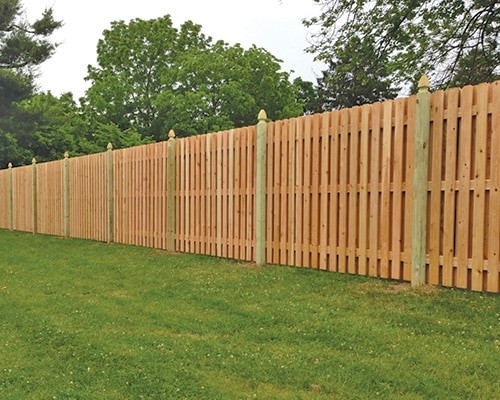
Installing a wood fence can instantly improve privacy, security, and curb appeal. However, when wood fences installation is done incorrectly, the results can be frustrating, expensive, and damaging to your yard’s overall appearance. Many homeowners underestimate how technical fence installation can be, assuming it is a simple weekend project. In reality, small missteps early on can lead to leaning posts, rotting panels, or even legal disputes with neighbors. Understanding the most common installation mistakes can help you avoid them and protect your investment from the start.
Poor Planning Before Installation
Most people jump right in when building a fence, skipping any real thought beforehand. Not slow enough to consider how deep roots go, where boundaries sit, or what rules apply nearby - wood doesn’t bend those realities. Weeks pass, then issues pop up like tilted posts or neighbor disputes. What seemed fast at first becomes a slower mess down the road.
Skipping a look at local zoning codes or HOA guidelines might bring penalties or lead to fences being torn down later. Rules in many towns control how tall fences can be, where they sit on land, and what they’re built from. Survey data shows that lots of these structures come out simply due to missing early approvals. Mistakes in measuring, or overlooking exact boundary lines, may trigger arguments with those nearby - troubles much pricier than careful prep work ever would be.
Choosing the Incorrect Wood Species
Wrong wood choices destroy yards faster than expected. Moisture, bugs, and shifting weather test every type differently. Cheap picks tempt many who assume timber blends in after setup. These bargain materials bend, split, or decay far sooner. Appearance fools - durability tells the real story.
Fences often rely on cedar or redwood - these woods shrug off rot without chemical help. Pressure-treated pine shows up everywhere too, tough enough to last, cheap enough to replace. A poor pick for timber? That fence might sag or split long before it should. Looks go first, sure, yet strength slips away just as fast. In storms, weak sections can snap when wind pushes hard or rain soaks deep.
Inaccurate Post Placement and Distance
Falling over becomes common when posts go in too shallow. Most guidelines say one-third should sit below ground. Frost depth matters up north - adjustments keep things steady there. Wood fences rely on strong posts, even though mistakes happen a lot during setup.
Too much space between posts risks the whole setup. When posts stand too distant, rails and panels strain under pressure, eventually dipping downward. After a heavy storm hits, some owners notice how parts of the fence wobble or fall apart.
Overlooking Soil and Water Flow
Moisture lingers longer where clay dominates, weakening wood fences from the ground up. Posts sink uneven if the earth beneath holds too much sand. Stability slips away without extra support in loose grains. Few think about dirt when building barriers, yet it shapes how long they last.

When water sits near fence posts, trouble starts fast. Down below, damp spots invite decay along with hungry bugs. A handful of stones tucked under each post helps quite a bit. Ground that tilts just right keeps wetness moving away. Little fixes like these make fences last far longer than expected.
Wrong Ways People Use Concrete
Though many rely on concrete for fence posts, mistakes in application might do more damage than expected. When wood gets fully surrounded by concrete with no way for water to escape, dampness stays close to the surface. Slowly, unseen decay begins within the timber, eating away at its strength.
Starting fresh might mean mixing concrete with stones so water can escape, or picking products made just for fence posts. Strength shows up when you do it right, yet dampness stays low - that matters most over years ahead.
Skip Leveling and Alignment
A wobbly line across the edge of your property grabs attention for the wrong reasons. When setup ignores careful adjustment, things tilt off track fast - happens most when folks tackle it alone. Longer stretches magnify tiny misalignments, making them impossible to miss.
Starting with string lines, then adding levels along with steady measuring keeps things lined up right. Though it takes extra minutes, doing so sets the stage for clean results later. When posts tilt or shift, looks suffer - worse yet, pressure builds where it should not. A shaky start often means trouble down the road.
Neglected wood care over time
Left untreated, even sturdy wood quickly falls apart under sun and rain. Some think treated lumber holds up fine on its own - this belief speeds decay instead. A coat of sealant helps every type resist wear, despite common assumptions. Faded grain, splits, and rough edges often start when nothing shields the surface.
Most wooden fences hold together longer when they get a good seal right away. A fresh coat soon after putting it up makes a difference, especially if added again every so often. Loose planks spotted early tend to stay small problems instead of becoming big headaches later. Checking now and then keeps things solid without surprise fixes down the road.
Ignoring Expert Support When Necessary
Starting a fence by yourself might feel satisfying, yet tricky designs often need an expert hand. Sloping ground or tough dirt? That’s when errors creep in, quietly raising the price down the line. Skipping skilled help at first seems cheap - until fixes add up faster than expected.
When it comes to setup, skilled workers know what they’re doing because they’ve done it many times before. Their gear is right for the job, which helps avoid mistakes on site. Rules differ by location - those who work locally understand them well. You might take care of some tasks alone, yet talking things through with an expert early on often shifts outcomes noticeably. Skipping advice at key moments could mean missing something essential later.
Conclusion
A wood fence should enhance your yard, not become a source of constant repairs and frustration. By avoiding common mistakes such as poor planning, incorrect post installation, and neglecting maintenance, homeowners can enjoy a fence that is both attractive and durable. Thoughtful preparation, quality materials, and attention to detail are the keys to long-lasting results. When considering alternatives or complementary options, consulting an experienced aluminum fence company can also provide insight into materials that suit your property’s needs and long-term goals.
FAQs
How long does a properly installed wood fence typically last?
A well-installed and maintained wood fence can last 15 to 20 years, depending on the type of wood, climate, and maintenance routine.
Is pressure-treated wood enough to prevent rot?
Pressure-treated wood is more resistant to rot, but it still benefits from sealing or staining to protect against moisture and UV damage.
Can I install a wood fence on a sloped yard?
Yes, but sloped yards require special techniques such as stepping or racking the fence panels to maintain stability and appearance.
How soon should I seal or stain my new wood fence?
Most experts recommend waiting a few weeks for the wood to dry, then applying a sealant or stain to extend its lifespan.
Should I hire a professional or do it myself?
DIY installation works for simple projects, but professional help is recommended for complex layouts, difficult soil, or when local regulations are strict.





