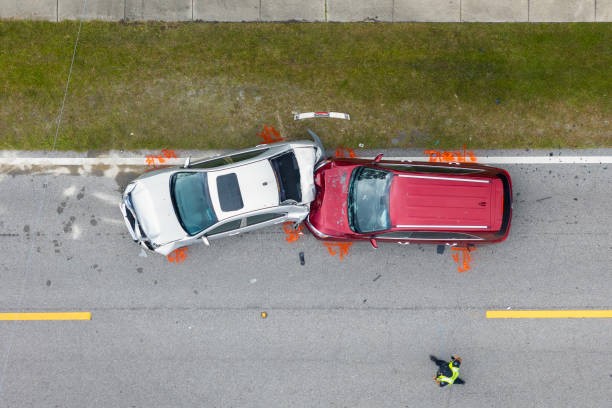
Drunk driving accidents are among the most devastating types of motor vehicle crashes. They often happen without warning, involve high speeds or delayed reactions, and leave victims dealing with serious injuries, emotional trauma, and financial strain. In a close-knit community like Fayetteville, Georgia, these incidents can feel especially personal—because they are. Knowing how these cases typically unfold and what steps matter most afterward can help victims regain a sense of control during an overwhelming time.
This article is for informational purposes only and is not legal advice.
Why drunk driving accidents are different from other crashes
While any car accident can be disruptive, collisions involving impaired drivers tend to be more complex and more severe.

Higher risk of serious injury
Alcohol and drugs slow reaction time, impair judgment, and reduce coordination. As a result, drunk driving crashes often involve:
- Failure to brake or swerve
- Head-on or high-impact collisions
- Pedestrians or cyclists struck at night
- Multi-vehicle pileups
These factors increase the likelihood of traumatic injuries such as fractures, head injuries, spinal damage, and internal injuries that may not be immediately visible.
Emotional impact on victims
Beyond physical harm, many victims experience anger, anxiety, or fear knowing the crash was entirely preventable. This emotional toll can affect sleep, work, and daily routines long after the accident itself.
Immediate steps after a suspected drunk driving accident
What you do in the minutes and hours after a crash can significantly affect both your recovery and any future claims.
1. Prioritize safety and medical care
- Call emergency services immediately.
- Accept medical evaluation, even if injuries seem minor.
- Follow up with a doctor in the days after the crash, especially if new symptoms appear.
2. Let law enforcement handle impairment concerns
If you suspect the other driver is impaired:

- Do not confront them.
- Relay observations to responding officers (slurred speech, smell of alcohol, confusion, unsteady movement).
Police reports and sobriety testing can become critical records later.
3. Document everything you can
If safe to do so, collect:
- Photos of vehicle damage and the scene
- Names and contact information of witnesses
- Your own written account of what happened while it’s fresh
These details help preserve the facts if memories fade or stories change.
The role of insurance in DUI-related crashes
Insurance claims involving drunk driving are rarely straightforward.
Challenges victims often face
- Delays while fault is investigated
- Low initial settlement offers
- Pressure to give recorded statements early
- Disputes over the severity or cause of injuries
Even when the other driver is clearly impaired, insurers still protect their bottom line.
What helps protect your claim
- Keeping all medical records and receipts
- Tracking missed work and daily limitations
- Avoiding speculation when speaking with adjusters
- Not accepting a settlement before understanding long-term impacts
Criminal cases vs. injury claims: an important distinction
Many people assume that if the drunk driver is arrested or convicted, compensation is automatic. That’s not how the system works.
Criminal case
- Brought by the state
- Focused on punishment (fines, license suspension, jail)
- Does not compensate the victim directly
Injury claim
- Focused on the victim’s losses
- Addresses medical costs, lost income, and recovery impacts
- Requires separate documentation and negotiation
The two processes can happen at the same time but serve different purposes.
Long-term effects victims often underestimate
Drunk driving crashes can change lives in subtle but lasting ways.
Physical consequences
- Chronic pain
- Reduced mobility
- Need for ongoing therapy or follow-up care
Financial strain
- Medical bills beyond initial treatment
- Time away from work or reduced earning ability
- Out-of-pocket costs for transportation and care
Lifestyle disruption
- Difficulty caring for family
- Loss of independence
- Emotional stress tied to driving or travel
Recognizing these impacts early helps victims make more informed decisions instead of rushing to “move on” too quickly.
When local guidance can matter
Every accident is unique, but DUI cases often involve added layers: police investigations, toxicology reports, insurance resistance, and heightened emotions. Understanding how these elements interact under Georgia law can be difficult without experience.
For those seeking more context around local processes and options, reviewing information from a Fayetteville drunk driving accident attorney can provide insight into how these cases are typically handled, what documentation matters most, and how victims can protect their interests while focusing on recovery.
A steady path forward after a traumatic crash
Being injured by an impaired driver can leave you feeling powerless—but knowledge is one way to take that power back. Focus first on your health. Preserve information. Be cautious with insurance communications. And remember that you’re allowed to take the time you need to understand your options.
Drunk driving accidents are preventable tragedies. While nothing can undo what happened, informed decisions can help victims move forward with clarity, stability, and confidence.