

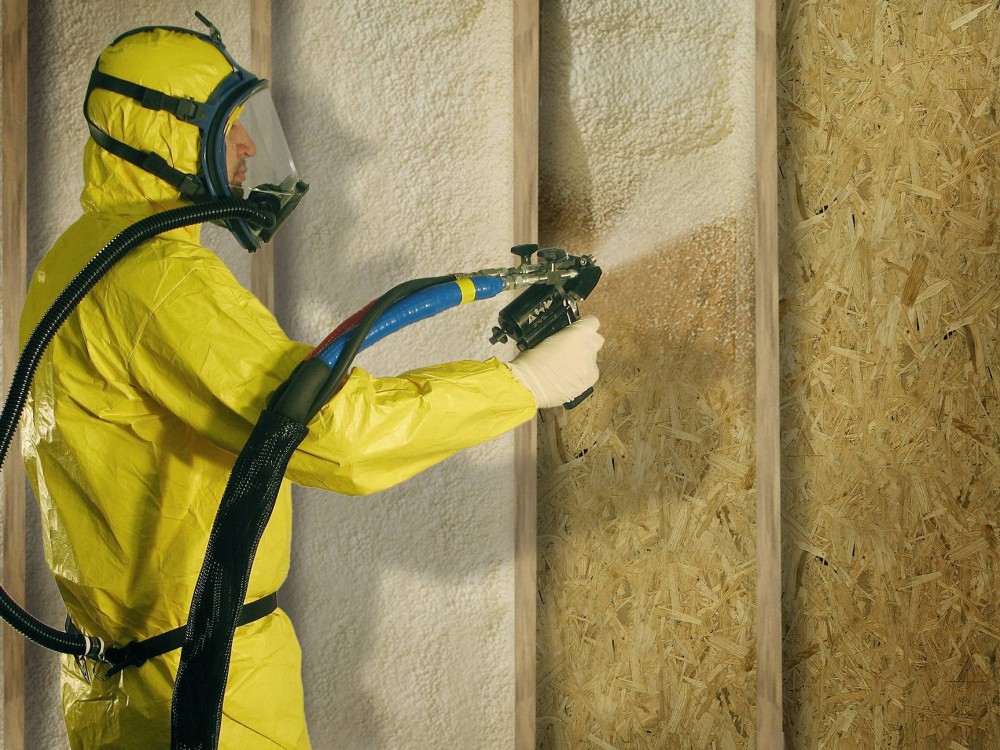
Spray foam insulation services matter because they address far more than temperature control. Proper installation helps manage air movement, moisture entry, and long-term building durability. These factors affect comfort, energy costs, and indoor conditions long after installation is complete.
This article explains why spray foam services extend beyond basic insulation. It outlines what trained providers look for, how homes benefit over time, and why installation quality often matters more than the material itself.
Insulation Is Only Part of the Outcome
Spray foam changes how a home behaves as a system. The service includes evaluation, preparation, and application steps that affect performance for decades.

Homes treated with spray foam often show fewer drafts, steadier indoor temperatures, and reduced moisture concerns. These results come from sealing gaps that traditional insulation methods leave behind.
Installation Quality Shapes Results
Material choice alone does not guarantee success. Skilled installers adjust application depth and coverage based on structure and climate.
Poor installation can trap moisture or miss key leak points. Proper service avoids these risks through careful planning.

What Trained Installers Look For
Experienced crews assess:

- Existing air leak paths
- Signs of moisture buildup
- Venting patterns and roof lines
These checks help align insulation work with real conditions.
Air Control and Moisture Management
Air carries moisture into walls and ceilings. When that air moves freely, it raises the risk of damage over time.
Spray foam limits this movement. Market data shows uncontrolled air leakage can account for up to 40 percent of heating and cooling loss in older homes.
How Spray Foam Limits Moisture Problems
By sealing cracks and joints, spray foam reduces the chance of condensation forming on cool surfaces.
This control helps protect framing, drywall, and finishes from slow damage that often goes unseen.
Comfort and Energy Use Over Time
Comfort affects how people experience a space every day. Spray foam improves comfort by keeping indoor temperatures steady across rooms.
Homes with sealed building shells often require less frequent system cycling. Many homeowners report noticeable drops in monthly energy use within the first year.
Comparison of Service Impact
The table below shows how spray foam services compare to basic insulation installs.
|
Service Focus |
Basic Insulation Install |
Spray Foam Service |
|---|---|---|
|
Air sealing |
Limited |
Extensive |
|
Moisture control |
Minimal |
Strong |
|
Comfort consistency |
Varies by room |
More uniform |
|
Long-term durability |
Moderate |
High |
|
Inspection outcomes |
Mixed |
Often favorable |
Climate Matters More Than Many Expect
Regional weather patterns shape how insulation performs. In the Midwest, homes face cold winters, humid summers, and wide temperature swings.
Spray foam services account for these stresses by adjusting application areas and thickness.
Midwest-Specific Considerations
Cold air infiltration drives heat loss in winter. Summer humidity places pressure on interior surfaces.
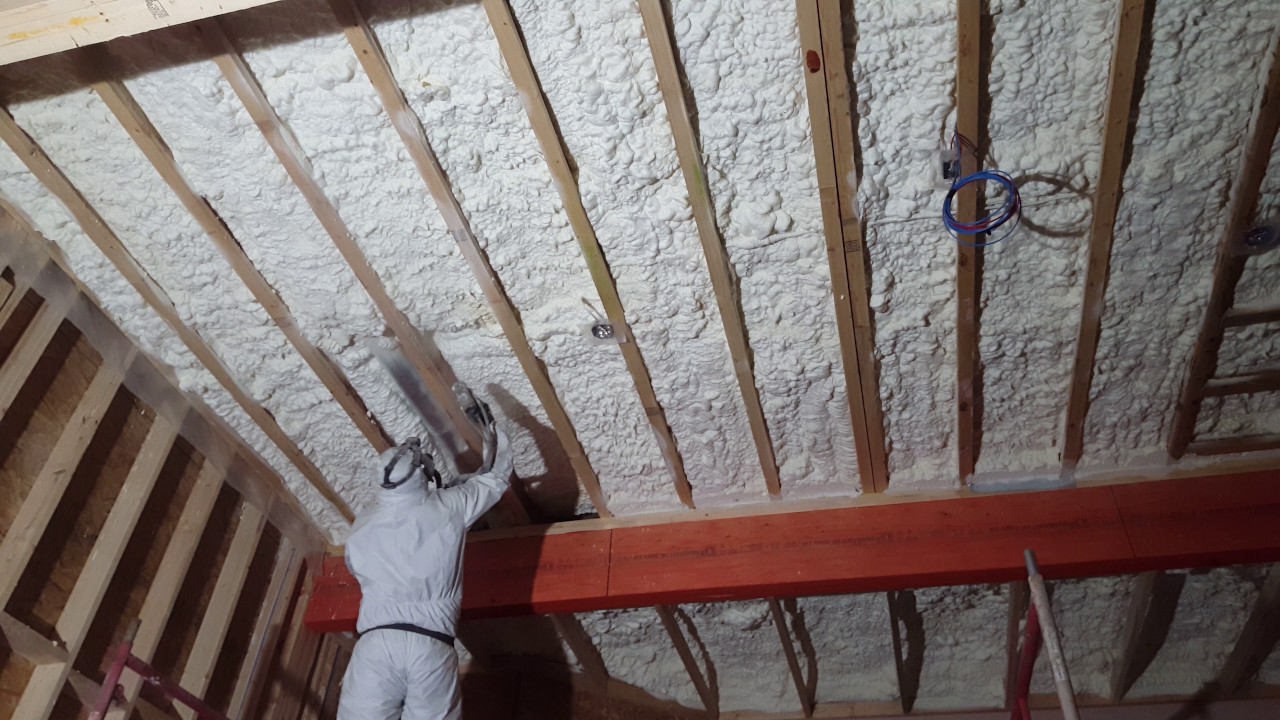
Sealing rim joists, roof decks, and crawlspaces helps manage these seasonal shifts.
Things to Consider Before Making a Decision
Spray foam is not a one-size solution. Property owners should review several factors before moving forward.
Important considerations include:
- Age and condition of the structure
- Existing moisture or comfort complaints
- Local climate patterns
- Planned length of ownership
A targeted approach often delivers better results than full coverage.
Bonus Tips for Planning
- Address known problem areas first
- Request clear scope details before work begins
- Keep records for future buyers or inspectors
Long-Term Value Beyond Energy Savings
Energy savings often lead the conversation, but other benefits matter just as much.
Homes with controlled air movement tend to experience fewer odors, less dust, and quieter interiors. These factors improve daily living conditions without ongoing effort.
Market data shows buyers increasingly value comfort and efficiency features, even when they do not fully understand how they work.
Questions People Ask About Spray Foam Services
How long do spray foam benefits last?
When installed correctly, spray foam can perform for the life of the structure without settling or shifting.
Does spray foam help with indoor humidity?
Yes. Limiting air movement helps reduce excess moisture entering the home.
Is spray foam only for new construction?
No. Many existing homes benefit from targeted retrofits in attics, basements, and crawlspaces.
Will spray foam affect future renovations?
It may require extra planning for wiring or plumbing changes, but it does not prevent updates.
Does installation timing matter?
Weather conditions and indoor preparation affect results, making scheduling an important part of service quality.
Key Takeaways for Property Owners
Spray foam insulation services extend far beyond filling wall cavities. Quality service improves comfort, limits moisture risks, and supports long-term durability. Property owners should evaluate their building conditions and climate before deciding where spray foam fits best.
Where to Get Informed Guidance
Property owners seeking clear direction often benefit from experienced evaluation before work begins. South Chicago Insulation offers assessments that focus on real conditions rather than blanket solutions. Readers can request more information by contacting ask@southchicagoinsulation.com or calling (779) 803-8025 to discuss practical next steps.
Author: Bob Gasca attended his first spray foam training in 2007 and continues yearly education to stay current with installation practices. He is a certified Spray Foam Master Installer through the SPFA and focuses on solving moisture and air infiltration challenges.
Reviewer: Noah Gonzalez reviewed this article using nine years of field experience, offering input that supports practical decision-making for insulation contractors.





