
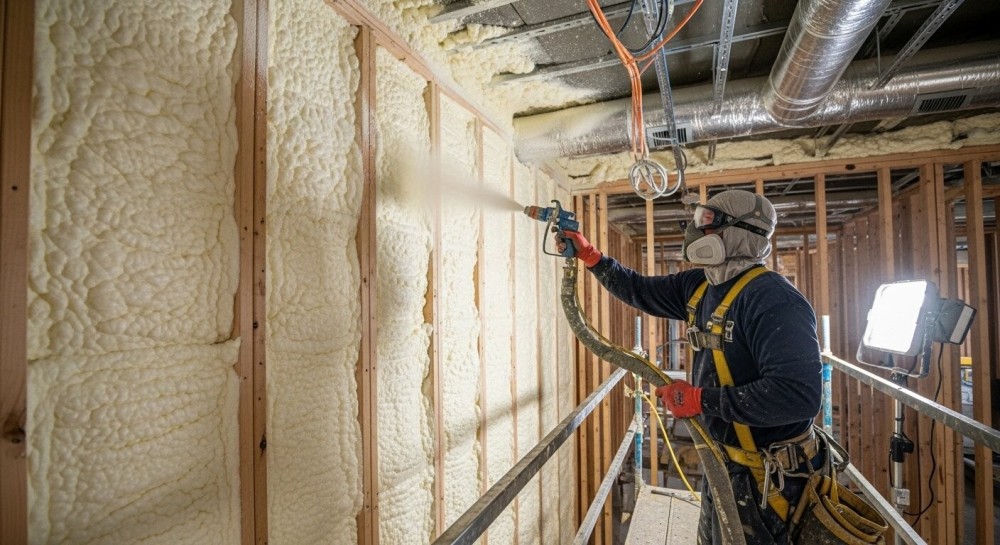
Older properties often struggle with uneven temperatures, rising energy use, and hidden air leaks that modern materials were never designed to handle. Spray Foam Insulation changes how these buildings perform by sealing gaps, stabilizing indoor comfort, and supporting long-term efficiency without altering a structure’s character.
This article explains how older homes and commercial buildings improve after insulation upgrades. It outlines performance changes, decision factors, and why working with experienced Spray Foam Insulation experts helps older properties reach modern comfort standards while respecting existing layouts.
Why Older Properties Respond Well to Spray Foam Insulation
Older buildings benefit from insulation that adapts to irregular framing and hidden voids. Spray Foam Insulation expands into gaps where traditional materials fall short, creating a tighter building envelope.

This improvement leads to steadier indoor temperatures and better moisture control. Property owners often notice comfort gains soon after installation.

Addressing Air Leaks in Aging Structures
Air leaks cause drafts and energy loss in older homes. Spray foam fills cracks around framing, wiring, and pipes.
This creates consistent coverage that supports lasting comfort.
Performance Benefits That Last
Unlike insulation that settles over time, spray foam stays in place. Its durability helps older properties maintain performance year after year.
Common Challenges in Older Buildings
Older properties face insulation challenges that newer construction avoids. Materials age, layouts shift, and gaps widen over time.

Spray foam adapts to these conditions and supports effective upgrades without major structural changes.
Irregular Framing and Hidden Voids
Many older buildings have uneven stud spacing and hard-to-reach cavities. Spray foam expands to fill these spaces.
This reduces cold spots and airflow inconsistencies.
Moisture Exposure Concerns
Older properties often lack modern moisture control layers. Spray foam helps limit unwanted air movement that carries moisture.
This supports healthier indoor conditions.
Types of Spray Foam Insulation Used in Older Properties
Different spray foam types support different upgrade goals. Selecting the right option improves results.
Professionals offering Spray Foam Insulation services assess building needs before choosing materials.
Closed-Cell Spray Foam for Structural Support
Closed-cell foam offers dense coverage and added strength. It works well in basements, crawl spaces, and exterior walls.
Benefits include:
- Strong air sealing
- Added rigidity
- Improved moisture resistance
Open-Cell Spray Foam for Interior Spaces
Open-cell foam expands further and suits interior walls and attics. It supports balanced airflow and sound control.
Typical uses include ceilings and partition walls.
Insulation Performance Comparison
|
Insulation Type |
Fit for Older Homes |
Long-Term Stability |
|---|---|---|
|
Spray Foam |
Excellent |
High |
|
Fiberglass |
Limited |
Moderate |
|
Blown-In |
Moderate |
Moderate |
This table highlights why spray foam suits older structures.
How Spray Foam Insulation Improves Energy Efficiency
Energy efficiency improves when air leakage drops. Spray foam seals the building envelope and supports stable indoor temperatures.
Older properties often see improved system performance after insulation upgrades.
Reduced Heating and Cooling Strain
When air stays inside, systems run less often. This supports longer equipment life.
Owners often report more even room temperatures.
Better Seasonal Comfort
Spray foam limits drafts during colder months and reduces heat gain during warmer periods.
This balance improves year-round comfort.
Things to Consider Before Making a Decision
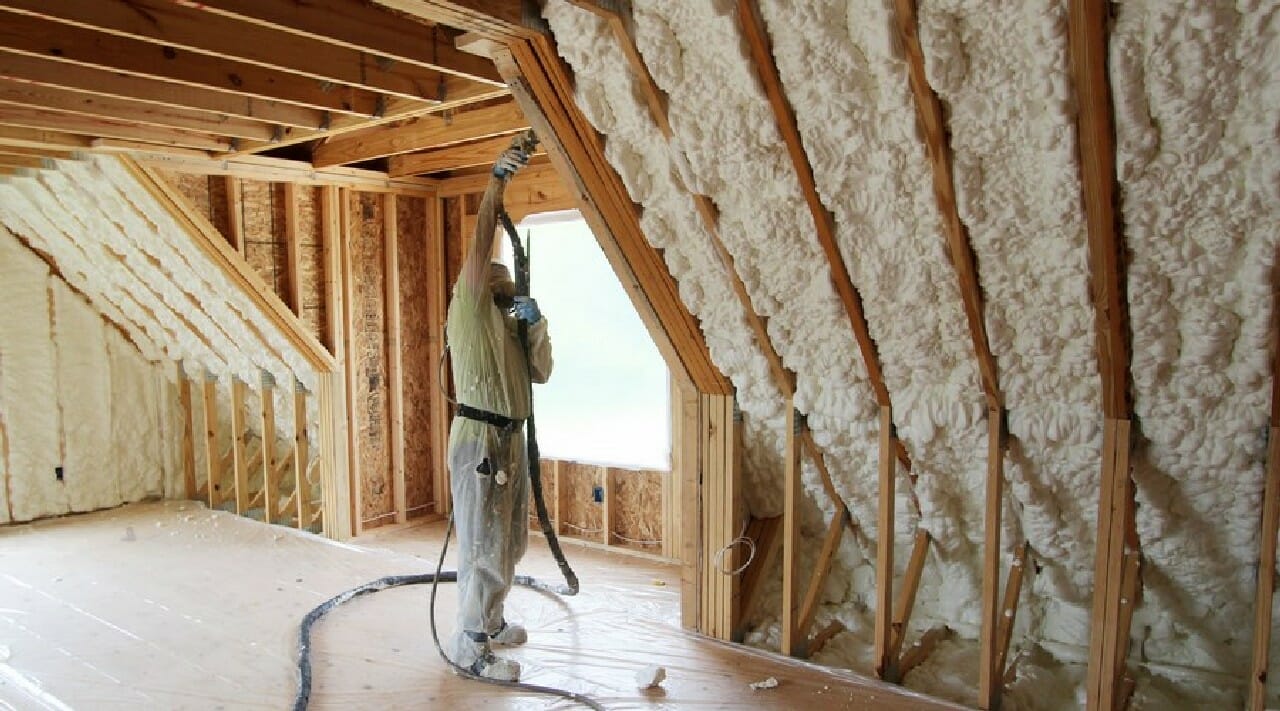
Upgrading insulation in older properties requires planning. These factors help guide decisions.
Building Age and Condition
Older buildings vary widely in layout and material condition. Insulation plans should reflect these differences.
Assessing walls, attics, and foundations helps define priorities.
Target Areas for Improvement
Not all areas need insulation at once. Many owners start with attics or crawl spaces.
Clear goals help guide material selection.
Long-Term Ownership Plans
Owners planning long-term use often value durable insulation that requires minimal updates.
Spray foam supports this goal.
Bonus Tip 1
Address air sealing and insulation together for better results.
Inspect framing and wiring before insulation to avoid rework.
Focus on moisture-prone areas first.
Regional Insight
Older properties in damp climates benefit from improved air control.
Professional Support for Older Property Projects
Installation quality matters. Skilled teams understand how to work within older structures.
Property owners often seek a trusted Spray Foam Insulation Company with experience in retrofits.
Support typically includes:
- Residential insulation upgrades
- Commercial building insulation
- Attic and foundation insulation
- Air sealing improvements
This approach ensures insulation performs as intended.
Key Takeaways for Property Owners
Spray foam insulation helps older properties achieve modern comfort and efficiency. Its ability to seal gaps and maintain performance makes it a strong upgrade option.
Property owners should assess building condition, climate exposure, and long-term goals before moving forward.
Connect With a Local Spray Foam Resource
Insulation upgrades play a key role in improving older properties. Spray Foam Specialists supports retrofit projects with insulation solutions designed for long-term performance.
They assist property owners with assessments, planning, and installation. For more information, contact them at (503) 713-6164 or email info@sprayfoampdx.com to discuss insulation options.
Questions People Ask About Older Properties and Spray Foam Insulation
Can spray foam be installed in existing walls
Yes. Professionals access wall cavities through small openings and apply foam without major disruption.
Does spray foam work well in older attics
Spray foam adapts to uneven framing and seals air leaks common in older attics.
Will spray foam change how an older home breathes
Spray foam controls air movement while allowing planned ventilation strategies.
Is spray foam suitable for historic properties
It can be used when applied carefully and in areas that preserve original features.
What impacts spray foam performance in older buildings
Proper installation, foam selection, and attention to air sealing details matter most.
Reviewer: Charlotte King reviewed this article based on her 7 years of spray foam experience, contributing thoughtful advice about building customer relationships and improving local visibility.





