
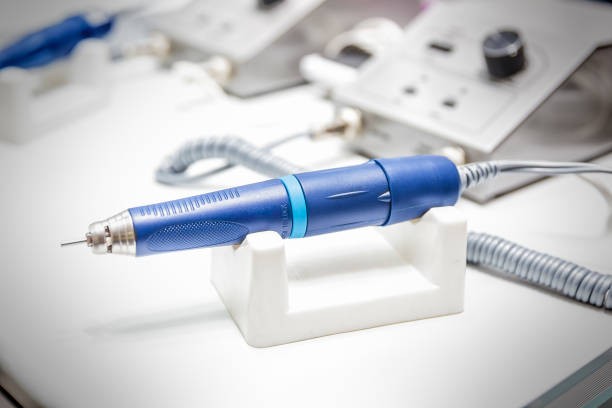
If you’ve ever done a dental procedure that required steady hands and absolute control, you already know how important a good micromotor is. A dental micromotor isn’t just another piece of equipment—it’s something you rely on every single day to work comfortably, accurately, and efficiently.
Whether you’re setting up a new clinic or thinking of upgrading your current setup, this guide will walk you through what dental micromotors are, the different types available, how they’re used, and what to look for before buying one—in simple, real-world terms.
What Exactly Is a Dental Micromotor?
A dental micromotor is a rotary device that powers handpieces used for cutting, shaping, polishing, and finishing teeth or restorations. Unlike traditional air turbines, micromotors give you better speed control and consistent torque, which makes a big difference during detailed work.

In short:
👉 More control for you, more comfort for your patient.
Types of Dental Micromotors
Not all micromotors are the same. Choosing the right type depends on how and where you’ll be using it.
1. Electric Dental Micromotors
Electric micromotors are the go-to choice in most modern dental clinics—and for good reason.
Why dentists love them:
-
Speed stays consistent, even under pressure

-
Strong torque for cutting and shaping
-
Smooth, quiet operation
They’re especially useful for restorative work, cosmetic dentistry, endodontics, and implant procedures where precision really matters.
Things to keep in mind:
They cost more upfront, but many dentists feel the performance easily justifies the price.
2. Air-Driven (Pneumatic) Dental Micromotors
Air-driven micromotors are commonly used in dental laboratories and some clinics.
What they’re good for:
-
Polishing and trimming
-
Light-duty work
-
Lab applications
They’re affordable and simple, but the speed can drop when pressure increases—so they’re not ideal for procedures that demand high precision.
3. Brushless vs Brushed Micromotors
This is one detail many buyers overlook, but it matters.
-
Brushless micromotors last longer, run cooler, and need less maintenance.
-
Brushed micromotors are cheaper but tend to wear out faster.
If you use your micromotor daily (which most dentists do), brushless is usually the smarter long-term choice.
How Are Dental Micromotors Used?
Dental micromotors are incredibly versatile. You’ll find them being used for:
-
Cavity preparation and caries removal
-
Crown and bridge work
-
Root canal shaping
-
Polishing restorations
-
Implant procedures
-
Orthodontic adjustments
-
Dental lab finishing and polishing
Basically, if a procedure involves rotary movement and precision, a micromotor is doing the heavy lifting.
Why Dental Micromotors Make a Real Difference
Switching to or upgrading a good micromotor isn’t just about better equipment—it’s about a better working experience.
-
Smoother control during procedures
-
Less noise, which patients appreciate
-
Reduced hand fatigue for long appointments
-
More predictable results
Over time, these small improvements add to better outcomes and a more comfortable day at work.
Buying Tips: What to Look for Before You Decide
Before investing in a dental micromotor, here are a few practical things to consider:
1. Torque and Speed Control
Make sure the micromotor can handle both low-speed and high-speed procedures without losing power.
2. Compatibility
Check whether it works with your existing handpieces and dental unit. This can save you unexpected costs later.
3. Comfort and Grip
A lightweight, well-balanced handpiece can make a big difference during long procedures.
4. Noise and Vibration
Quieter micromotors improve concentration and make patients feel more relaxed.
5. Maintenance Needs
Brushless micromotors generally require less servicing and last longer.
6. Brand Support and Warranty
Reliable after-sales service and warranty coverage are just as important as performance.
7. Price vs Value
The cheapest option isn’t always the best. Think long-term performance, durability, and daily comfort.
Final Thoughts
A dental micromotor is something you’ll use day in and day out—so it’s worth choosing one that truly fits your working style. The right micromotor can improve precision, reduce fatigue, and make procedures smoother for both you and your patients.
Take the time to understand your options, and you’ll end up with a tool that supports your practice for years to come.