
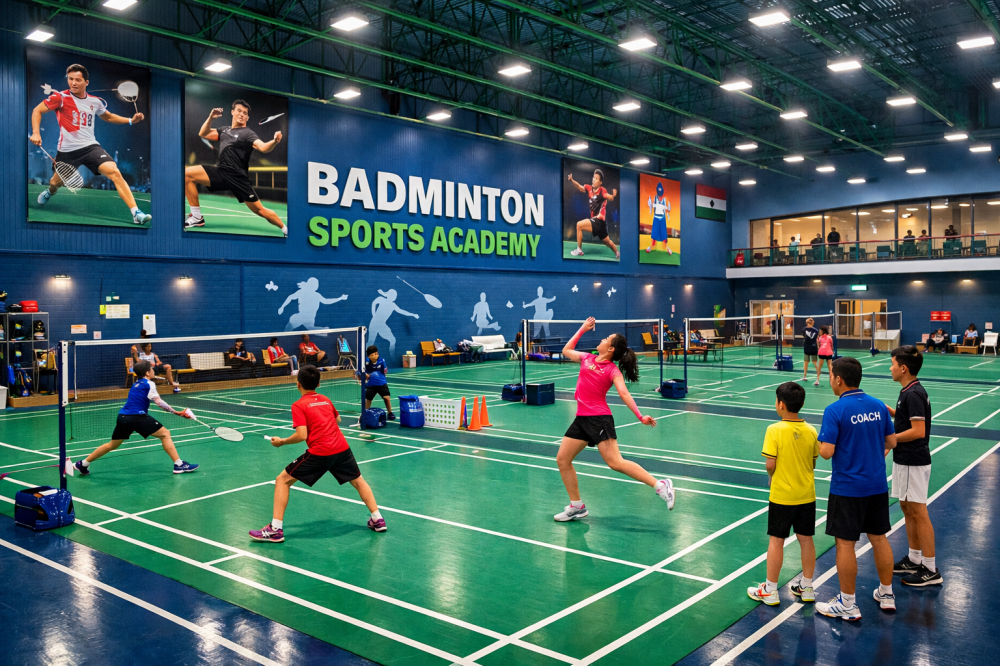
Building a successful badminton sports academy requires more than just courts and equipment. It needs a clear vision, structured training methods, qualified coaching, and a strong focus on player development. An academy should aim to nurture talent at different skill levels while maintaining discipline, consistency, and long-term growth. When planned correctly, it becomes a place where passion for the sport turns into measurable performance and confidence.
Understanding the Purpose of an Academy
The first step is defining the purpose of the academy. Some academies focus on beginners and grassroots training, while others aim to produce competitive players. A clear purpose helps in designing training schedules, selecting coaches, and setting performance benchmarks. It also ensures that players and parents understand what the academy stands for and what outcomes they can expect.
Structured Training Programs
A well-structured training program is the backbone of any academy. Sessions should be divided based on age groups and skill levels to ensure balanced progress. Training must include physical conditioning, footwork, stroke techniques, match practice, and recovery routines. Regular assessments help track improvement and identify areas that need extra attention. A systematic approach keeps players motivated and reduces the risk of burnout.

Importance of Qualified Coaching
Coaches play a critical role in shaping players both technically and mentally. Experienced coaches understand how to adapt training methods to individual needs. They also teach discipline, sportsmanship, and match strategy. Continuous learning for coaches is equally important, as modern badminton techniques and fitness methods keep evolving. Good coaching builds trust and encourages long-term commitment from players.
Focus on Fitness and Injury Prevention
Badminton is a fast-paced sport that demands agility, strength, and endurance. An academy must include fitness training as a core element, not as an add-on. Warm-up routines, stretching, and strength exercises help prevent injuries. Educating players about recovery, hydration, and rest ensures they remain healthy and consistent in performance.
Creating a Competitive Environment
Healthy competition within the academy pushes players to improve. Internal tournaments, practice matches, and exposure to external competitions help players gain real match experience. Learning to handle pressure and losses is just as important as winning. A supportive yet competitive environment builds confidence and mental toughness.
Communication and Player Development
Clear communication between coaches, players, and parents is essential. Regular feedback sessions help players understand their progress and goals. Academies that focus on holistic development—covering mental strength, discipline, and teamwork—tend to produce more well-rounded athletes. Transparency builds credibility and long-term trust.
Conclusion
A successful academy is built on planning, quality coaching, structured training, and consistent evaluation. When these elements work together, players develop skills, confidence, and a lifelong connection with the sport. An academy that follows these principles can grow steadily and make a lasting impact, just like Stars Badminton.






