

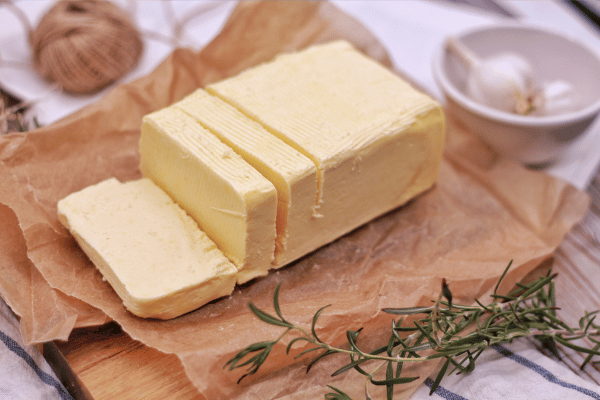
Butter has long been a staple in global diets, valued for its rich taste, versatility, and functional role in cooking and baking. Derived primarily from milk fat, butter is widely used in households, foodservice establishments, and the food processing industry. Despite the emergence of plant-based alternatives and margarine substitutes, butter continues to hold a strong position in the global food market due to its natural origin, premium perception, and culinary importance.
In recent years, shifting consumer preferences toward natural and minimally processed foods, along with rising demand from bakery and confectionery industries, have supported steady market growth. The global butter market value reached approximately USD 51.01 billion in 2025. Looking ahead, the market is projected to grow at a CAGR of 3.20% between 2026 and 2035, reaching a value of around USD 69.90 billion by 2035.
Global Butter Market Overview
Butter is produced by churning cream or milk to separate butterfat from buttermilk. It is widely appreciated for its flavor-enhancing properties and texture, making it a preferred ingredient in baked goods, sauces, spreads, and processed foods. Butter is also increasingly used in premium and artisanal food products, reinforcing its image as a high-quality dairy product.
The global butter market has shown resilience despite health concerns related to saturated fat consumption. Recent nutritional research and changing consumer perceptions have led to a renewed acceptance of butter as part of balanced diets. As a result, the market reached USD 51.01 billion in 2025, supported by consistent demand across developed and emerging economies.
Key Market Drivers
Growing Demand from the Bakery and Confectionery Sector
One of the primary drivers of the butter market is the expanding bakery and confectionery industry. Butter is a key ingredient in cakes, pastries, cookies, croissants, and chocolates, where it contributes to texture, aroma, and mouthfeel.
The rising consumption of baked goods, especially in urban areas and developing economies, is fueling demand for industrial butter. Premium bakery products, which rely heavily on high-quality butter, are further strengthening market growth.
Shift Toward Natural and Clean-Label Products

Consumers are increasingly scrutinizing ingredient lists and favoring products with fewer additives and artificial components. Butter, being a natural dairy product with minimal processing, aligns well with the clean-label trend.
Compared to margarine and other butter substitutes, butter is often perceived as more natural and authentic. This shift in consumer mindset has contributed to the steady growth of the global butter market.
Rising Disposable Income and Changing Dietary Habits
In emerging economies, rising disposable income and westernization of diets have led to increased consumption of dairy products, including butter. Urbanization and exposure to global cuisines have also boosted the use of butter in cooking and baking.
As middle-class populations expand, especially in Asia-Pacific and Latin America, butter consumption is expected to increase steadily over the forecast period.
Market Segmentation Analysis
By Product Type
Based on product type, the butter market can be segmented into:
- Salted Butter
- Unsalted Butter
- Cultured Butter
- Clarified Butter (Ghee)
Salted butter accounts for a significant share of the market due to its extended shelf life and widespread household use. Unsalted butter is widely used in baking and food processing, where precise control over salt content is required.
Cultured butter, known for its rich and tangy flavor, is gaining popularity in premium and artisanal food segments. Clarified butter or ghee remains particularly important in South Asian, Middle Eastern, and African cuisines.
By Application
The market is segmented by application into:
- Household/Residential Use
- Food Processing Industry
- Foodservice Sector
The food processing industry represents a major share of global butter consumption, driven by bakery, confectionery, and ready-to-eat food manufacturers. Meanwhile, household consumption remains strong, supported by traditional cooking practices and home baking trends.
The foodservice sector, including hotels, restaurants, and cafés, is also a key contributor, particularly in regions with strong tourism and hospitality industries.
By Distribution Channel
Butter is distributed through:
- Supermarkets and Hypermarkets
- Convenience Stores
- Online Retail
- Specialty Stores
Supermarkets and hypermarkets dominate due to wide product availability and strong cold-chain infrastructure. Online retail is emerging as a growing channel, supported by e-commerce adoption and home delivery services, especially in urban areas.
Regional Market Analysis
Europe
Europe represents one of the largest markets for butter, driven by strong dairy traditions and high per capita consumption. Countries such as France, Germany, and Ireland are major producers and consumers of butter.
The region’s well-established bakery industry and preference for natural dairy products support sustained demand. Europe also plays a crucial role in global butter exports.
North America
North America holds a significant share of the global butter market, with the United States being a key contributor. Rising home baking trends, especially after recent years of lifestyle shifts, have positively influenced butter consumption.
The demand for organic and grass-fed butter is growing, reflecting consumer interest in premium and ethically sourced dairy products.
Asia-Pacific
Asia-Pacific is expected to witness steady growth during the forecast period. While traditional diets in some countries relied less on butter, increasing westernization, urbanization, and expansion of bakery chains are driving demand.
India, China, Japan, and Australia are key markets, with ghee playing a dominant role in South Asia. The region’s growing middle class supports long-term market expansion.
Latin America and Middle East & Africa
These regions are emerging markets for butter, supported by rising disposable incomes and growing foodservice industries. In the Middle East and parts of Africa, clarified butter and ghee are widely used, contributing to regional demand.
Competitive Landscape
The global butter market is moderately consolidated, with the presence of multinational dairy companies and strong regional players. Leading manufacturers focus on product quality, brand reputation, and supply chain efficiency.
Key competitive strategies include:
- Expansion of production capacity
- Launch of organic, grass-fed, and premium butter variants
- Strategic partnerships with foodservice and bakery chains
- Investments in sustainable dairy farming practices
As the market grows from USD 51.01 billion in 2025 to USD 69.90 billion by 2035, competition is expected to intensify, particularly in premium and value-added segments.
Trends and Innovations in the Butter Market
One notable trend is the increasing demand for specialty butter products, such as organic, cultured, and flavored butter. These products cater to gourmet cooking and premium consumption.
Sustainability is another key focus area. Dairy producers are adopting environmentally friendly practices, including reduced carbon footprints, animal welfare initiatives, and recyclable packaging, to align with evolving consumer expectations.
Challenges Facing the Butter Market
Despite steady growth, the butter market faces several challenges:
- Health Concerns: Butter contains saturated fats, which may limit consumption among health-conscious consumers.
- Price Volatility: Fluctuations in raw milk prices can impact butter production costs.
- Competition from Alternatives: Margarine and plant-based spreads offer lower-cost and cholesterol-free alternatives.
Addressing these challenges through product innovation, transparent communication, and diversification will be crucial for long-term market stability.
Future Outlook
The global butter market is expected to maintain moderate but stable growth over the forecast period. With a CAGR of 3.20% between 2026 and 2035, the market is projected to reach approximately USD 69.90 billion by 2035.
Growth will be supported by rising demand from the bakery and foodservice sectors, increasing preference for natural dairy products, and expansion in emerging markets. Premiumization and sustainability initiatives are likely to define the next phase of market evolution.
Frequently Asked Questions (FAQs)
1. What was the global butter market value in 2025?
The global butter market was valued at approximately USD 51.01 billion in 2025.
2. What is the expected growth rate of the butter market?
The market is projected to grow at a CAGR of 3.20% between 2026 and 2035.
3. What will be the market size of butter by 2035?
By 2035, the global butter market is expected to reach around USD 69.90 billion.
4. Which region dominates the global butter market?
Europe dominates the market due to high consumption, strong dairy traditions, and large-scale production.
5. What are the main applications of butter?
Butter is widely used in households, the food processing industry (especially bakery and confectionery), and the foodservice sector.
6. What trends are shaping the butter market?
Key trends include growing demand for organic and premium butter, sustainability initiatives, and increased use in artisanal and gourmet foods.
7. What challenges does the butter market face?
Major challenges include health concerns related to saturated fats, price volatility of raw milk, and competition from butter substitutes.





