
Seasonal changes in Georgetown, TX quickly expose where a home’s insulation underperforms. Hot summers highlight air leaks and heat gain, while winter cold snaps reveal gaps that allow heat loss. Insulation weak points often remain hidden until these shifts place stress on walls, attics, and crawl spaces.
This article explains how each season uncovers different insulation failures, what signs homeowners should watch for, and how targeted Spray Foam Insulation Services address these issues. The guidance reflects field experience from projects across Central Texas homes with varied ages and construction styles.
Why Seasonal Changes Matter for Home Insulation
Georgetown experiences wide temperature swings throughout the year. These shifts test how well insulation performs under real conditions rather than ideal ones.

When insulation works correctly, indoor temperatures stay stable. When it fails, discomfort and inefficiency appear fast. Seasonal stress acts like a diagnostic tool for spotting insulation weaknesses.
Climate Patterns That Stress Insulation Systems
Summers bring extended heat and solar exposure. Winters add cold air intrusion and pressure differences. Spring and fall introduce humidity swings that affect building envelopes.
Homes built without climate-specific insulation planning often struggle in at least one season.
Market Data Showing Seasonal Impact
Energy audits across Texas show that nearly 55 percent of homes lose efficiency due to air leakage tied to insulation gaps. Seasonal testing identifies these problem zones more clearly than static inspections.
Summer Heat and Insulation Weak Points
Summer heat places the greatest demand on insulation. High attic temperatures and solar gain reveal areas where thermal barriers fall short.


Attics and Rooflines Under Pressure
Attics absorb direct heat for long hours. Poor insulation allows that heat to radiate into living spaces.
Signs of weakness include rooms that stay warm despite cooling systems running longer.
Exterior Walls and Sun Exposure
West- and south-facing walls face constant sun. Thin or uneven insulation causes heat transfer through wall assemblies. This often results in hot interior wall surfaces and uneven room comfort.
Check attic insulation depth before peak summer
Shallow coverage often causes heat buildup.
Monitor rooms with large exterior walls
These rooms reveal insulation gaps first.
Winter Cold and Air Leakage Zones
Winter cold highlights air sealing failures more than insulation thickness alone. Cold air finds the smallest gaps.
Common Leak Points in Cold Weather
Air leakage often occurs around:
- Wall-to-ceiling joints
- Electrical penetrations
- Attic access points
- Garage connections
These areas allow cold drafts that reduce comfort and efficiency.
Floors and Crawl Spaces
Cold floors signal weak insulation below living spaces. Crawl spaces without proper coverage lose heat quickly.
Cold air entering from below affects indoor temperatures and humidity balance.
Spring and Fall Moisture Stress Indicators
Transitional seasons bring humidity changes that test insulation durability. Moisture reveals hidden problems.
Condensation Inside Wall Cavities
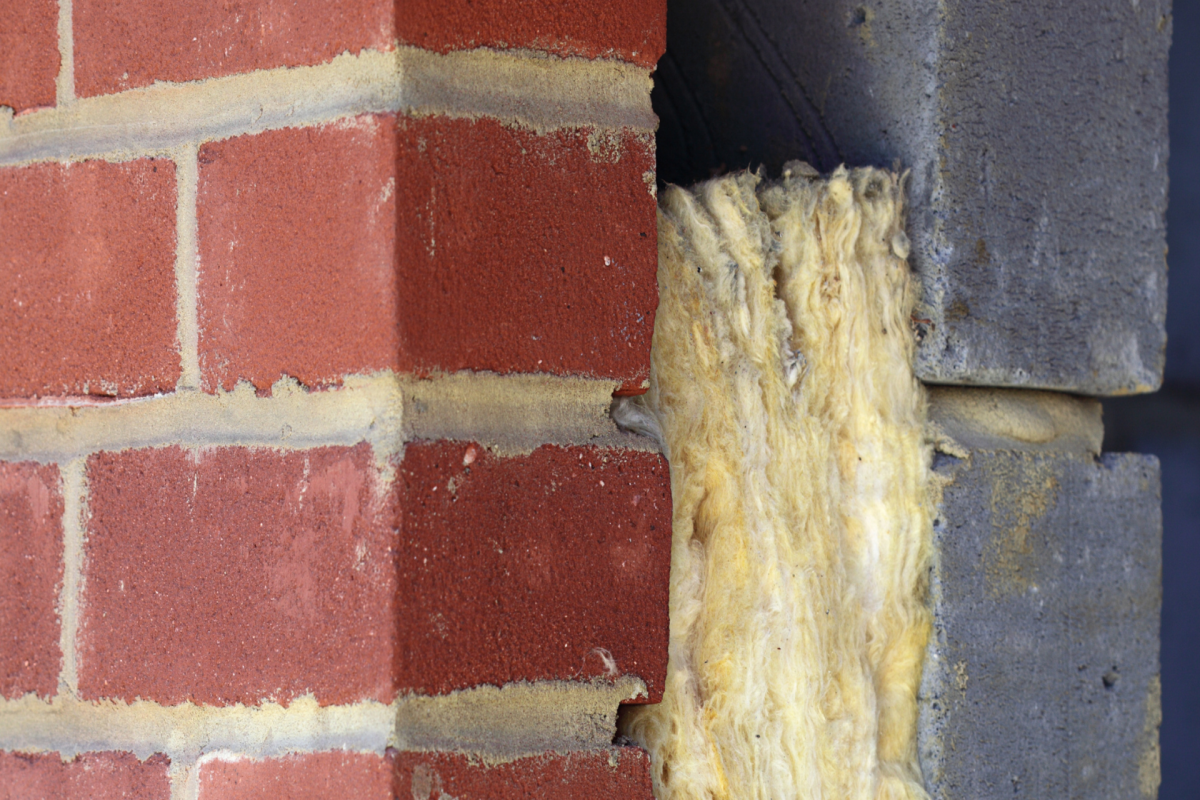
Temperature differences between indoor and outdoor air cause condensation when insulation fails to control airflow. Over time, this moisture reduces insulation effectiveness.
Signs Homeowners Often Miss
Stains, musty odors, or fluctuating indoor humidity often trace back to insulation gaps rather than surface issues.
Comparing Seasonal Stress on Insulation Areas
Different seasons reveal different weak points. Understanding this pattern helps prioritize inspections.
|
Season |
Most Affected Areas |
Common Symptoms |
|---|---|---|
|
Summer |
Attics, exterior walls |
Hot rooms, high cooling use |
|
Winter |
Ceilings, floors, joints |
Drafts, cold surfaces |
|
Spring |
Walls, crawl spaces |
Moisture, odors |
|
Fall |
Attics, transitions |
Temperature swings |
Role of Professional Evaluation
Seasonal symptoms point to problems, but proper evaluation confirms them. Insulation Experts use targeted inspections to match fixes to conditions.
How Professionals Read Seasonal Clues
Temperature patterns, moisture signs, and airflow paths tell a clear story when reviewed together.
Experienced teams identify whether issues stem from coverage gaps, air leakage, or material aging.
Importance of Climate-Specific Experience
Central Texas homes differ from other regions. Insulation Contractor teams familiar with Georgetown conditions adjust solutions accordingly.
This regional knowledge improves long-term results.
Things to Consider Before Making a Decision
Before addressing insulation weak points, homeowners should review key factors that affect outcomes.
Home Age and Construction Style
Older homes often lack modern insulation standards. Newer homes may still have installation gaps.
Construction style influences where weaknesses appear.
Seasonal Patterns Observed Indoors
Tracking comfort issues by season helps target problem zones more accurately.
Scope of Work Needed
Some issues require localized fixes. Others need broader upgrades through Insulation Services.
Document seasonal comfort issues
Notes help guide professional assessments.
Address air sealing before adding material
Sealing gaps improves insulation performance faster.
How Service Providers Address Seasonal Weaknesses
A structured approach ensures insulation fixes align with real conditions.
Inspection and Planning
Teams evaluate homes during or after peak seasons to capture active issues.
Targeted Installation
Rather than blanket upgrades, focused improvements deliver better results.
Company-Level Quality Control
A reliable Insulation Company maintains consistent standards across projects, reducing repeat issues.
Key Takeaways for Georgetown Homeowners
Seasonal changes act as stress tests for home insulation. Summer heat, winter cold, and humidity shifts each reveal different weak points.
Recognizing these patterns helps homeowners make informed decisions. Evaluating insulation with seasonal context leads to more effective improvements.
Next Steps for Homeowners Seeking Clarity
Homeowners noticing seasonal comfort issues may benefit from professional guidance. Spray Foam Tech provides insulation evaluations and solutions suited to Georgetown’s climate patterns.
Those seeking additional information can contact the team at oldworldtx@hotmail.com or call (737) 777-9590 to discuss observed insulation concerns and possible next steps.
Questions People Ask About Seasonal Insulation Problems
Why does a home feel comfortable in one season but not another?
Seasonal temperature and humidity changes expose insulation gaps that remain hidden during mild weather.
Are attic issues more common than wall issues?
Attics often show problems first due to heat exposure, but walls also contribute to comfort loss.
Can insulation problems increase humidity indoors?
Yes. Air leaks allow moisture movement that insulation should control.
Should insulation be checked every season?
Inspections during extreme seasons provide the most useful information.
Do seasonal issues always require full replacement?
Not always. Targeted repairs often resolve the main weak points.
Reviewer: Maria Lopez reviewed the article and brought 12 years of insulation industry experience to improve the guidance. Practical tips were added, and the content was made clearer and more useful for contractors working in the field every day.





