

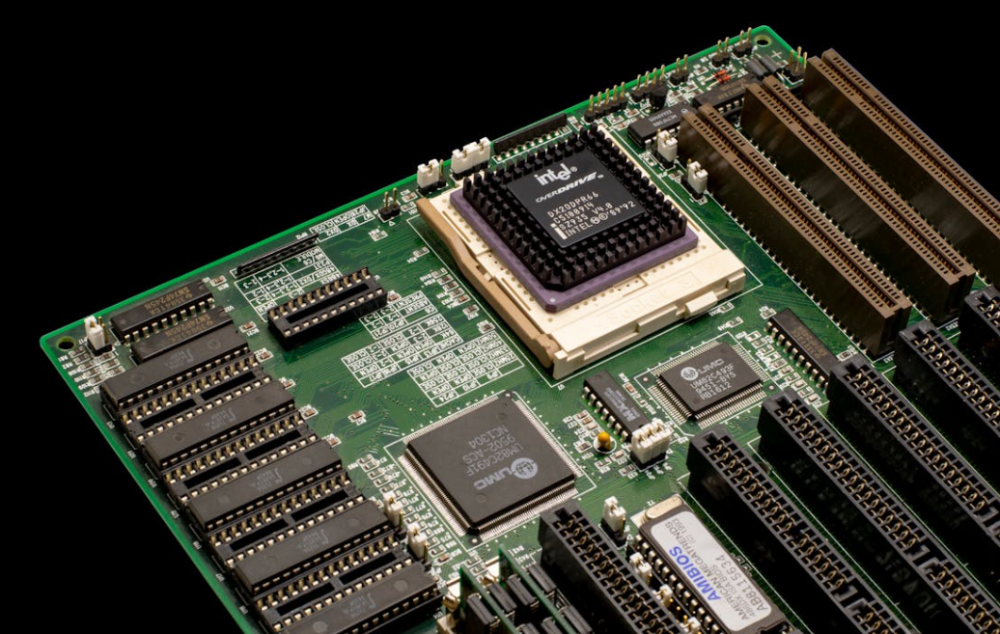
In modern electronics manufacturing, choosing the right PCB assembly method plays a critical role in product performance, durability, and cost efficiency. Two of the most widely used techniques are Surface Mount Technology (SMT) and Through-Hole Technology (THT). While both methods serve the same fundamental purpose—mounting electronic components onto printed circuit boards (PCBs)—their processes, applications, and advantages differ significantly.
Understanding the key differences between SMT vs THT assembly helps manufacturers make informed decisions based on design complexity, production scale, and performance requirements.
What Is SMT Assembly?
Surface Mount Technology (SMT) is a PCB assembly method in which electronic components are mounted directly onto the surface of the board. Instead of inserting component leads through drilled holes, SMT components are placed precisely on solder pads and attached using reflow soldering techniques.

SMT assembly relies heavily on automation. Advanced pick-and-place machines position components with high accuracy, allowing for faster production and consistent quality. Because SMT components are smaller and lighter, this method supports high-density PCB designs and compact electronic products.
Today, SMT is the dominant technology in consumer electronics, telecommunications equipment, medical devices, and industrial systems where miniaturization and performance are essential.
What Is THT Assembly?
Through-Hole Technology (THT) is the traditional PCB assembly method. In this process, component leads are inserted into drilled holes on the PCB and soldered on the opposite side to secure them in place. THT can be performed manually or through wave soldering processes.
THT components are generally larger and offer strong mechanical bonding due to their lead structure passing through the board. This makes them highly durable and suitable for applications where mechanical stress or vibration is common.
Although SMT has largely replaced THT in high-volume electronics manufacturing, THT is still widely used in specific industries and for certain components that require additional strength or high-power handling.

The Core Differences Between SMT and THT
The primary difference between SMT vs THT assembly lies in how components are mounted onto the PCB. SMT components are attached directly to the board’s surface, while THT components require drilled holes for insertion.
This difference impacts several key aspects of PCB production, including manufacturing speed, component density, mechanical strength, cost, and overall product performance.
Manufacturing Speed and Efficiency
SMT assembly is significantly faster than THT. Automated machines can place thousands of components per hour with high precision. Reflow soldering further streamlines the process by soldering multiple components simultaneously.
In contrast, THT assembly is slower due to drilling requirements and manual insertion in many cases. Even with wave soldering, the preparation process is more time-consuming compared to SMT.
For high-volume production where speed and scalability are critical, SMT is generally the preferred choice.
Component Size and PCB Density
One of the biggest advantages of SMT is its ability to support smaller components. Surface-mounted devices (SMDs) are compact, enabling higher component density on a single PCB.
Higher density means more functionality can be integrated into smaller devices. This is essential for modern electronics such as smartphones, laptops, IoT devices, and wearable technology.
THT components, on the other hand, are larger and require spacing for drilled holes. This limits how densely components can be arranged and often results in larger PCB designs.
Mechanical Strength and Durability
When it comes to mechanical stability, THT has a strong advantage. Because component leads pass through the PCB and are soldered on the other side, they create a firm physical bond. This makes THT suitable for heavy components such as transformers, connectors, and high-power devices.
SMT components, while reliable, are mounted only on the surface. In environments with extreme vibration or mechanical stress, THT components may offer greater long-term durability.
For this reason, many manufacturers use a combination of SMT and THT assembly in a single PCB design to balance performance and strength.
Cost Considerations
Cost is another important factor in comparing SMT vs THT assembly. SMT generally reduces production costs in large-scale manufacturing due to automation and faster processing times. Less manual labor and fewer drilled holes translate into lower material and operational expenses.
THT assembly can become more expensive because of additional drilling, longer production cycles, and potential manual labor requirements. However, for low-volume production or specialized industrial equipment, the cost difference may be less significant.
Choosing the right method depends on both budget constraints and product requirements.
Electrical Performance
SMT assembly often delivers better electrical performance because of shorter lead lengths. Shorter leads reduce signal interference and improve high-frequency performance. This makes SMT ideal for advanced electronics requiring speed and precision.
THT components have longer leads, which may introduce slight signal delays or interference in high-frequency circuits. However, for power applications or simple electronic designs, THT remains highly effective.
Manufacturers that prioritize signal integrity and compact design often favor SMT assembly for optimal results.
Inspection and Quality Control
Modern SMT production lines integrate automated optical inspection (AOI) and X-ray systems to detect defects quickly and accurately. This improves overall PCB production quality and reduces the risk of faulty products reaching customers.
THT inspection may rely more on manual visual checks, especially in smaller operations. While reliable, manual inspection may not match the speed and consistency of automated SMT inspection systems.
Companies like TSTRONIC utilize advanced manufacturing processes to ensure both SMT and THT assemblies meet strict quality standards. By combining automation with expert engineering oversight, high-performance and reliable PCB assemblies can be achieved across various industries.
When to Choose SMT Assembly
SMT assembly is the best choice when compact design, high-speed production, and cost efficiency are priorities. It is ideal for consumer electronics, communication systems, and products that require lightweight and space-saving PCB layouts.
For companies aiming to scale production while maintaining consistent quality, SMT offers clear advantages.
When to Choose THT Assembly
THT assembly remains valuable for applications requiring strong mechanical bonds and high durability. It is commonly used in aerospace, automotive systems, industrial machinery, and power electronics.
Heavy components and connectors often rely on THT to ensure long-term stability and resistance to mechanical stress.
Combining SMT and THT for Optimal Results
In many modern PCB designs, manufacturers use a hybrid approach that combines SMT and THT assembly. Surface-mounted components handle high-density circuitry, while through-hole components provide structural reinforcement where needed.
This combination allows engineers to maximize performance, durability, and cost efficiency within a single product.
At TSTRONIC, both SMT and THT assembly solutions are carefully selected based on project requirements, ensuring clients receive optimized PCB manufacturing tailored to their specific needs.
Conclusion
When comparing SMT vs THT assembly, there is no single universal solution. Each method offers unique advantages depending on the product’s purpose, complexity, and operating environment.
SMT assembly excels in speed, compact design, and cost-effective mass production. THT assembly stands out in mechanical strength and durability for demanding applications. By understanding the key differences clearly, manufacturers can select the most suitable approach for their PCB production goals.
Ultimately, the right choice depends on balancing performance, reliability, and manufacturing efficiency to deliver high-quality electronic products in today’s competitive market.





