Being diagnosed with advanced breast cancer can feel overwhelming and emotionally exhausting. Many patients immediately worry about survival, treatment side effects, and the future. However, it is important to understand that medical advancements over the last decade have significantly improved treatment outcomes. Today, advanced breast cancer is often treated as a long-term manageable condition, and many patients live longer, more fulfilling lives with the right care.
This article explains advanced breast cancer treatment in simple, clear language so patients and families can better understand their options and feel more confident in their decisions.
What Is Advanced Breast Cancer?
Advanced breast cancer generally refers to:
-
Stage 3 (Locally Advanced Breast Cancer) – The cancer has spread to nearby lymph nodes or surrounding tissues such as the chest wall or skin but not to distant organs.
-
Stage 4 (Metastatic Breast Cancer) – The cancer has spread to distant organs such as the bones, liver, lungs, or brain.
While Stage 3 may still be treated with the goal of cure, Stage 4 is usually treated with the goal of controlling the disease, relieving symptoms, and improving quality of life.
How Doctors Create a Treatment Plan
Every patient’s cancer is different. Doctors consider several important factors before recommending treatment:
-
Tumor size and spread

-
Hormone receptor status (ER/PR positive or negative)
-
HER2 status
-
Genetic mutations (such as BRCA1/BRCA2)
-
Patient’s age and overall health
-
Previous treatments received
A team of specialists—called a multidisciplinary team—usually works together. This may include a surgical oncologist, medical oncologist, radiation oncologist, radiologist, and supportive care specialists.
Main Treatment Options for Advanced Breast Cancer
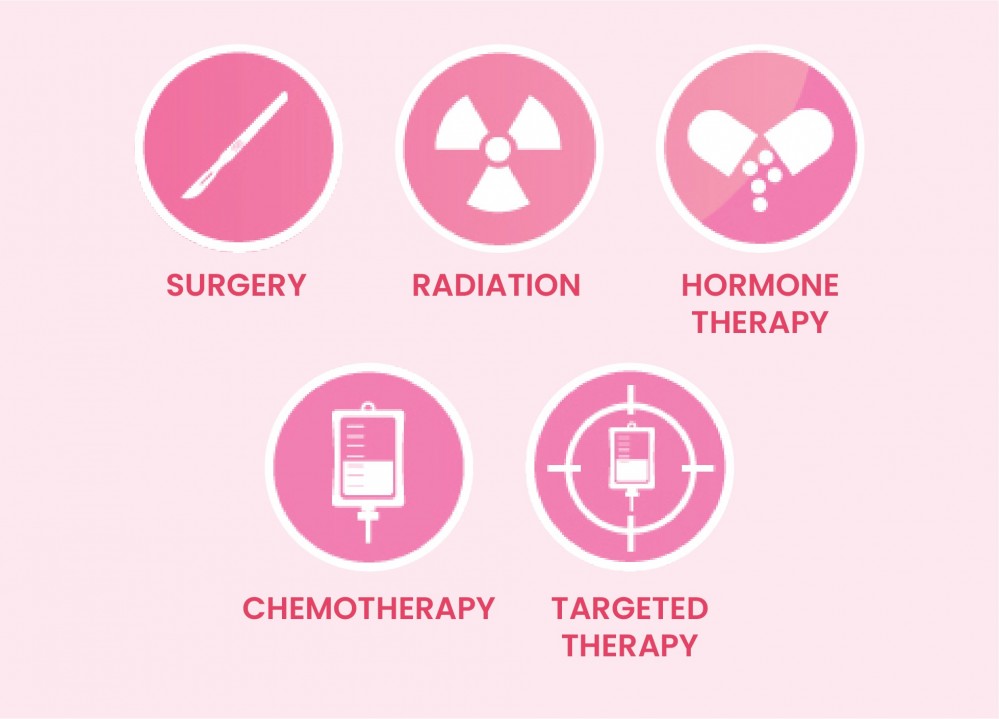
1. Chemotherapy
Chemotherapy uses powerful drugs to destroy cancer cells. In advanced stages, it may be used to:
-
Shrink tumors before surgery
-
Kill remaining cancer cells after surgery
-
Control cancer spread in metastatic cases
Modern chemotherapy is more effective and often combined with medications that reduce nausea, fatigue, and infection risks. Many patients are able to continue light daily activities during treatment.
2. Targeted Therapy
Targeted therapy is one of the biggest breakthroughs in breast cancer treatment. These drugs focus on specific proteins or genes that help cancer grow.
For example:
-
HER2-positive cancers are treated with HER2-blocking drugs.
-
CDK4/6 inhibitors help slow tumor growth in hormone-positive cancers.
-
PARP inhibitors may be used for patients with BRCA mutations.
Because these treatments target cancer cells more precisely, they often cause fewer side effects than traditional chemotherapy.
3. Hormone Therapy
If the cancer is hormone receptor-positive, doctors may prescribe medications that:
-
Block estrogen from attaching to cancer cells
-
Reduce the body’s estrogen production
Hormone therapy is often taken for several years and can significantly reduce recurrence risk or slow disease progression in advanced cases.
4. Immunotherapy
Immunotherapy helps the body’s immune system recognize and attack cancer cells. It is especially helpful for certain aggressive types such as triple-negative breast cancer.
This treatment has opened new hope for patients who previously had limited options.
5. Surgery in Advanced Cases
Even in advanced stages, surgery may still be recommended to:
-
Remove large tumors
-
Reduce symptoms
-
Improve comfort and quality of life
In Stage 3 cases, surgery is often part of a combined treatment plan with chemotherapy and radiation.
6. Radiation Therapy
Radiation therapy uses high-energy rays to destroy cancer cells. It may be used:
-
After surgery to prevent recurrence
-
To shrink tumors causing pain
-
To treat bone or brain metastases
Radiation is usually painless and delivered over several sessions.
Why Success Rates Are Increasing
Advanced breast cancer treatment outcomes have improved due to:
-
Early and accurate diagnostic imaging
-
Genetic and molecular testing
-
Personalized medicine
-
Combination therapy strategies
-
Access to international treatment protocols
Doctors now focus on tailoring therapy to each patient rather than using a one-size-fits-all approach.
Patients who explore global treatment options often compare the Breast Cancer Treatment Cost in India, as many internationally accredited hospitals offer advanced therapies, experienced oncologists, and modern infrastructure at comparatively affordable rates.
Managing Side Effects Effectively
Modern cancer care does not only focus on destroying cancer cells. It also focuses on reducing side effects and protecting the patient’s well-being.
Supportive care may include:
-
Anti-nausea medications
-
Pain management therapies
-
Nutritional guidance
-
Psychological counseling
-
Physical rehabilitation
-
Infection prevention care
With proper management, many side effects can be controlled, allowing patients to maintain daily routines.
Emotional and Psychological Support
Advanced breast cancer affects not just the body but also mental health. Anxiety, fear, and depression are common.
Support options include:
-
Counseling services
-
Support groups
-
Family involvement
-
Patient navigation programs
Strong emotional support can significantly improve recovery and overall well-being.
Living with Advanced Breast Cancer
For many patients, especially those with metastatic disease, advanced breast cancer is treated as a chronic condition. Regular follow-ups, scans, and medication adjustments help keep the disease under control.
Some patients live for many years with stable disease thanks to targeted therapies and ongoing medical advancements.
Healthy lifestyle choices can also support treatment:
-
Balanced diet
-
Light physical activity (if approved by doctors)
-
Stress management
-
Regular medical check-ups
Ongoing Research and Future Hope
Clinical trials continue to develop new medications and treatment strategies. Precision medicine, genetic testing, and combination therapies are shaping the future of breast cancer care.
Each year brings new hope, improved survival rates, and better quality of life for patients.
Final Thoughts
Advanced breast cancer treatment has improved dramatically in recent years. With personalized care plans, modern therapies, and experienced oncology teams, many patients achieve longer survival and better quality of life.