A bone marrow transplant can be a life-saving treatment for patients suffering from serious blood disorders and certain types of cancer. While the procedure offers hope and a chance for long-term recovery, many families worry about the financial burden. The good news is that today, it is possible to receive advanced medical care at affordable costs in the right healthcare settings.
In this article, we explain bone marrow transplant treatment in simple terms and explore how patients can access high-quality care without overwhelming expenses.
What Is a Bone Marrow Transplant?
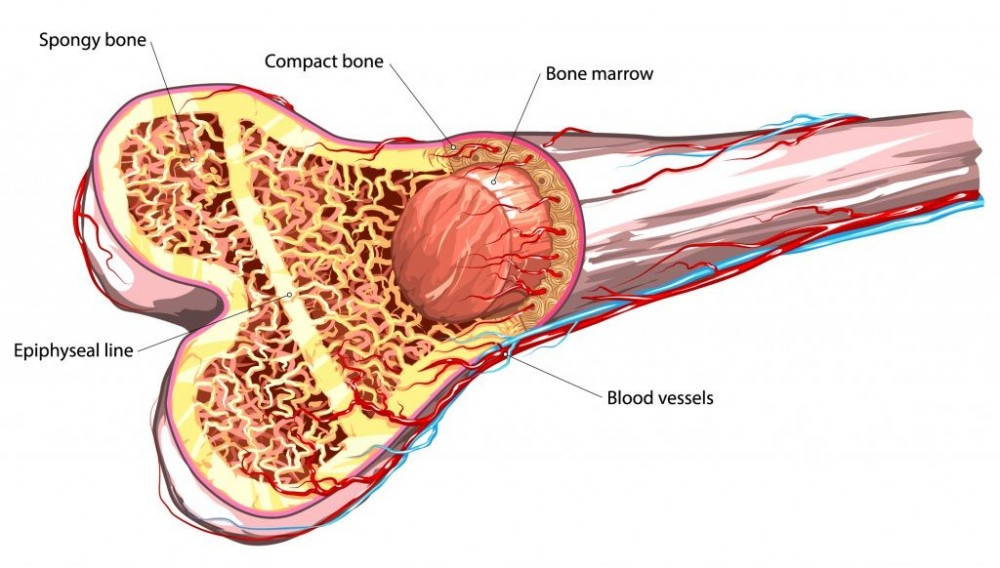
Bone marrow is the soft, spongy tissue inside our bones that produces blood cells—red blood cells, white blood cells, and platelets. When bone marrow becomes damaged due to diseases such as leukemia, lymphoma, aplastic anemia, or thalassemia, a transplant may be required.
A bone marrow transplant replaces unhealthy bone marrow with healthy stem cells. These stem cells help the body produce normal blood cells again.
Types of Bone Marrow Transplant
There are two main types:
1. Autologous Transplant
In this type, doctors use the patient’s own stem cells. These cells are collected before high-dose chemotherapy and then returned to the body after treatment.
2. Allogeneic Transplant
This type uses stem cells from a donor. The donor may be:
-
A matched sibling

-
A matched unrelated donor
-
A parent (haploidentical transplant in some cases)
The type of transplant depends on the disease, patient’s health condition, and donor availability.
Conditions Treated with Bone Marrow Transplant
A bone marrow transplant is commonly recommended for:
-
Leukemia
-
Lymphoma
-
Multiple myeloma
-
Thalassemia major
-
Aplastic anemia
-
Certain immune system disorders
Doctors carefully evaluate each patient before recommending the procedure.
Why Advanced Medical Care Matters
A bone marrow transplant is a complex procedure that requires:
-
Experienced hematologists and transplant specialists
-
Advanced laboratory support
-
Infection-controlled transplant units
-
24/7 critical care facilities
-
Long-term follow-up monitoring
Hospitals with modern technology and trained transplant teams significantly improve success rates and patient safety.
Making Treatment Affordable Without Compromising Quality
The cost of bone marrow transplant varies widely across countries. In Western nations, the procedure can be extremely expensive due to high hospital charges and medical costs.
However, many patients now travel abroad for high-quality treatment at more reasonable prices. When comparing global options, families often research the Bone Marrow transplant cost in India because the country offers internationally accredited hospitals, experienced transplant teams, and modern infrastructure at comparatively affordable rates.
Lower cost does not mean lower quality. Many advanced hospitals follow global safety protocols and maintain high success rates.
What Is Included in the Overall Cost?
The total cost of a bone marrow transplant may include:
-
Pre-transplant tests and evaluations
-
Donor matching and screening
-
Hospital stay in specialized transplant units
-
Chemotherapy or conditioning therapy
-
Stem cell infusion procedure
-
Medications and supportive care
-
Post-transplant monitoring
It is important to request a detailed cost breakdown from the hospital to avoid unexpected expenses.
Recovery After Bone Marrow Transplant
Recovery is a gradual process and may take several months. After the transplant:
-
The patient’s immune system is weak for some time
-
Strict infection precautions are required
-
Regular follow-up visits are necessary
-
Nutritious diet and rest are important
Most patients stay in the hospital for a few weeks, followed by close outpatient monitoring.
With proper care, many patients return to normal life after recovery.
Also Know: Best Hospitals In India
Risks and Possible Complications
Like any major medical procedure, bone marrow transplant carries certain risks, including:
-
Infection
-
Graft-versus-host disease (in donor transplants)
-
Bleeding
-
Organ complications
However, experienced transplant centers have advanced protocols to manage and reduce these risks.
Emotional and Family Support
A bone marrow transplant journey can be physically and emotionally challenging. Emotional support from family members, counseling services, and support groups plays a vital role in recovery.
Patients and caregivers should stay informed, ask questions, and maintain open communication with their medical team.
Final Thoughts
An affordable bone marrow transplant with advanced medical care is possible when patients choose the right hospital and experienced specialists. Modern transplant techniques, improved safety measures, and comprehensive follow-up care have significantly increased success rates.