
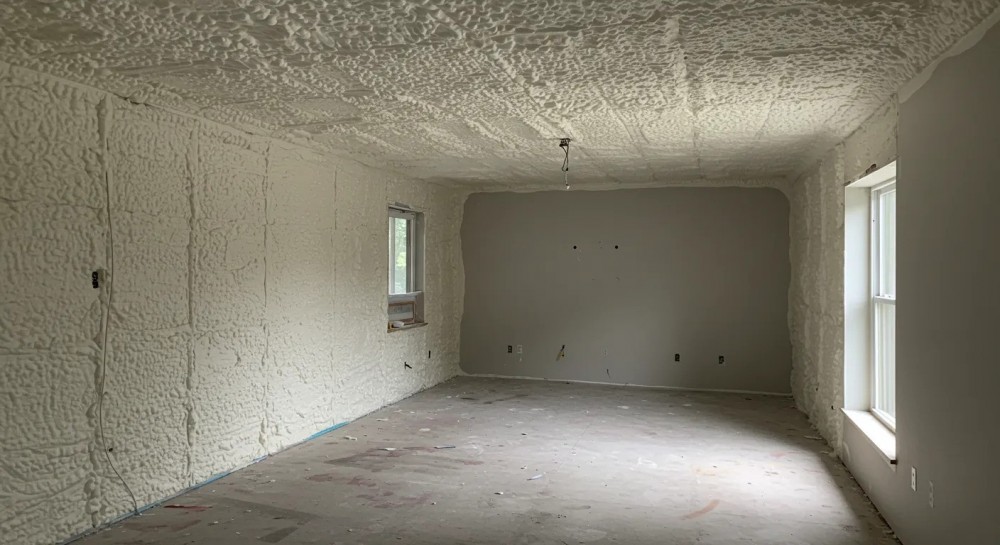
Foundation Insulation helps keep homes in Renton, WA, cool during summer by reducing heat transfer from warm soil and outdoor air into the lower levels of the house. It creates a thermal barrier around the foundation walls, which limits heat gain and stabilizes indoor temperatures.
In Western Washington’s mild but humid summers, crawl spaces and basements can trap warm air and moisture. Properly installed Foundation Insulation reduces this heat buildup and lowers the workload on air conditioning systems. This article explains how it works, why it matters locally, and what property owners should evaluate before investing in Foundation Insulation services.
The guidance below reflects field experience in marine climates and current building science practices used by trained insulation professionals.

Why Foundations Affect Summer Comfort
Many homeowners focus on attic insulation for summer comfort. Yet the foundation plays a steady role in indoor temperature control.
Heat does not only enter through the roof and windows. It also transfers through concrete walls and slabs that sit against warm ground.
Ground Temperature And Heat Flow
During summer, soil temperatures in the Puget Sound region can reach the mid 60s to low 70s. While that may seem moderate, it can still raise basement or crawl space temperatures over time.
Concrete conducts heat. Without insulation, foundation walls allow that ground warmth to move indoors.
Air Leakage In Crawl Spaces
Renton homes often have vented crawl spaces. In summer, these vents bring in moist outdoor air.

When warm air enters and contacts cooler surfaces, humidity rises. This can make floors feel damp and increase indoor discomfort.

How Foundation Insulation Reduces Summer Heat Gain
Foundation Insulation works by slowing conductive heat transfer and limiting uncontrolled air movement. It acts as a continuous layer between exterior conditions and interior spaces.
Continuous Thermal Barrier
Insulation applied directly to foundation walls reduces direct heat flow through concrete.
Spray foam and rigid foam are common options. Many Foundation Insulation experts recommend closed cell spray foam in crawl spaces because it insulates and air seals at the same time.
Air Sealing And Moisture Control
Air leakage can account for up to 30 percent of heating and cooling energy use in homes. Sealing foundation walls and rim joists reduces this loss.
In humid summer months, sealed and insulated crawl spaces maintain more stable conditions. This helps prevent excess moisture and mold growth.
Reduced HVAC Load
When lower levels stay cooler, air conditioning systems run less often.
The U.S. Energy Information Administration reports that cooling accounts for about 12 percent of total residential electricity use nationwide. Even modest improvements in insulation can lower seasonal energy bills.
Comparing Insulated And Uninsulated Foundations
The difference in performance becomes clear when comparing key factors.
|
Feature |
Uninsulated Foundation |
Insulated Foundation |
|---|---|---|
|
Heat transfer through walls |
High |
Reduced |
|
Crawl space humidity |
Often elevated |
More controlled |
|
Floor temperature above crawl space |
Warmer and uneven |
More stable |
|
HVAC runtime |
Longer cycles |
Shorter cycles |
|
Risk of condensation |
Higher |
Lower when sealed |
Homes with proper Foundation Insulation typically experience fewer hot spots and improved indoor comfort.
Foundation Insulation In Renton WA Climate
Renton has a marine climate with dry summers and damp shoulder seasons. While peak summer temperatures are moderate, humidity and enclosed crawl spaces can still create discomfort.
Building codes in Washington encourage higher energy performance standards. Many local Foundation Insulation contractor teams design systems that align with regional code requirements and moisture management best practices.
Crawl Space Versus Basement
Most Renton homes feature crawl spaces rather than full basements.
In crawl spaces, insulating the walls instead of the floor above is often more effective. This brings the crawl space into the conditioned envelope of the home.
Seal Vents When Converting
If converting to a conditioned crawl space, vents should be sealed properly to prevent humid air entry.
Insulate Rim Joists
Rim joists are common leakage points. Sealing and insulating this area improves overall performance.
Install A Vapor Barrier
A ground vapor barrier limits moisture migration from soil into the crawl space.
Signs Foundation Insulation Is Working In Summer
Property owners can look for measurable changes after installation.
- Floors above crawl spaces feel cooler and more consistent during warm afternoons.
- Indoor humidity levels remain stable even when outdoor air is humid.
- Air conditioning cycles become shorter and less frequent.
- Musty odors in lower levels decrease over time.
Thermal imaging can also confirm reduced heat transfer. Many Foundation Insulation services offer inspections to verify results.

Things To Consider Before Making A Decision
Before choosing Foundation Insulation, several factors should be reviewed.
First, assess moisture conditions. Standing water, drainage issues, or plumbing leaks must be corrected before insulation is added.
Second, review local code requirements. Minimum R values vary depending on foundation type and climate zone.
Third, evaluate access and existing materials. Some older homes have fiberglass batts under floors that may need removal.
Cost is another factor. While installation requires upfront investment, long term savings and improved comfort often justify the expense. Working with an experienced Foundation Insulation company helps ensure correct material selection and detailing.
Common Materials Used In Foundation Insulation
Different materials suit different foundation designs.
Closed cell spray foam provides high R value per inch and strong air sealing. It adheres directly to concrete.
Rigid foam boards offer consistent thickness and are often used on basement walls.
The choice depends on moisture levels, available space, and budget.
Improve Summer Comfort From The Ground Up
Foundation Insulation works in summer by reducing heat transfer through concrete walls and limiting humid air intrusion. In Renton’s climate, this results in cooler floors, more consistent indoor temperatures, and reduced strain on cooling systems.
Property owners should assess moisture conditions, code requirements, and long term energy goals before proceeding. Careful planning ensures better performance and durability.
Connect With Local Professionals For Guidance
For homeowners in Renton seeking professional evaluation, Cascadia Spray Foam Insulation of Seattle offers tailored Foundation Insulation assessments based on local climate and building standards.
They can be contacted at info@cascadiasprayfoam.com or (425) 386-3500 to discuss project details and suitable insulation options.
Questions People Ask About Foundation Insulation
Homeowners often have specific concerns about summer performance.
Does Foundation Insulation really help in mild summers?
Yes. Even moderate outdoor heat can build up in crawl spaces. Insulation reduces this gradual heat gain.
Will it lower cooling bills?
It can reduce HVAC runtime. Savings vary by home size, existing insulation, and thermostat settings.
Is Foundation Insulation safe for older homes?
When installed correctly and moisture issues are addressed, it works well in older structures.
How long does installation take?
Most crawl space projects take one to three days depending on size and preparation needs.
Can it reduce humidity inside the home?
Yes. By limiting warm moist air entry, it helps maintain balanced indoor humidity levels.
Reviewer: Olivia Thompson has spent 10 years working in spray foam insulation, helping companies grow their visibility. She reviewed this article and provided valuable suggestions to better align the content with customers' needs and expectations, ensuring it resonates with the target audience.





