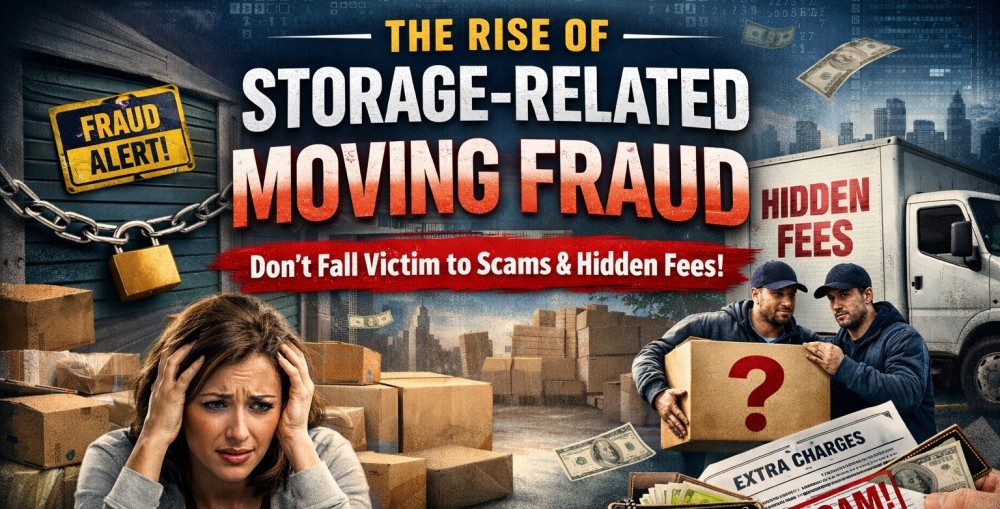
Moving is supposed to be an exciting new chapter, but for many, it turns into a stressful and overwhelming experience. Packing, transporting, and storing belongings requires careful planning. Unfortunately, some people fall victim to moving fraud, which can result in financial loss and emotional stress.
Understanding Storage-Related Scams
Storage-related moving fraud is becoming a growing problem in the moving industry. Many companies offer storage solutions alongside transportation, claiming to simplify the moving process. However, some take advantage of unsuspecting homeowners by imposing hidden fees, delaying deliveries, or refusing access to belongings.
Why Storage Scams Are Increasing
Several factors contribute to the rise of these scams:

- High demand for storage: The self-storage industry has expanded consistently over the last five years, offering more opportunities for fraud.
- Limited consumer knowledge: Many homeowners are unaware of their rights under federal moving regulations, which makes them vulnerable.
- Busy lifestyles: Moving families or professionals often lack time for thorough research, leaving room for dishonest companies to exploit them.
Common Red Flags to Watch For
- Estimates that change after belongings are picked up.
- Pressure to sign contracts without reviewing terms carefully.
- Refusal to provide clear storage facility details or insurance information.
- Unexpected, unusually high upfront deposits or “temporary storage” fees.
Being alert to these signs can prevent homeowners from falling victim to storage-related fraud.
The Human Impact of Fraud
The consequences of these scams go beyond financial loss. Families often face disrupted schedules, emotional stress, and uncertainty about the safety of their belongings. According to the Better Business Bureau, disputes over storage fees accounted for nearly 40% of moving-related complaints in 2022.
Short-term inconvenience can quickly turn into long-term frustration when essential or valuable items are withheld. For example, imagine relocating across the country only to discover that your belongings are inaccessible due to hidden storage fees.
Real-Life Examples
Many victims have shared their experiences online. For example, Moving Scam Stories provides firsthand accounts from homeowners who faced delayed deliveries, inflated fees, or withheld possessions. These stories highlight potential pitfalls and serve as lessons for others preparing to move.
How Hostage Load Scams Work
A particularly dangerous scheme is the hostage load moving scam. In this type of fraud, movers transport belongings to a storage facility and then refuse to release them until additional fees are paid. Victims sometimes end up paying double or triple the original estimate to retrieve their items.

- Movers may claim “unexpected weight,” “storage delays,” or “insurance requirements.”
- Contracts are often vague or incomplete, giving scammers the ability to manipulate the situation.
- Homeowners without prior research or proper documentation are particularly at risk.
Understanding how these scams operate can help consumers take preventative measures and hold companies accountable.
Steps to Protect Yourself
Being proactive is essential for avoiding storage-related moving fraud. Here are actionable strategies:
Do Thorough Research
- Verify company licensing with federal or state authorities.
- Look for reviews across multiple platforms, including verified complaints.
- Ask for references from past clients.
Insist on Clear Contracts
- Document all fees, storage terms, and insurance coverage.
- Ensure the contract specifies pickup and delivery dates.
- Avoid relying on verbal promises; only written agreements carry legal weight.
Document Everything
- Photograph or video every item before packing.
- Keep copies of all contracts, receipts, and communications.
- Note any discrepancies or damages during pickup and delivery.
Know Your Rights
Consumers have protections under federal law, such as the requirement for written estimates for interstate moves. Being informed allows homeowners to dispute unfair charges effectively.
Tips for Choosing a Reliable Company
- Choose companies with a verified online presence and transparent reviews.
- Request full details about storage facilities and insurance coverage.
- Consider traceable payment methods, such as credit cards, to create documentation.
Conclusion
The rise of storage-related moving fraud demonstrates that even routine moving tasks can carry unexpected risks. Families and individuals must stay informed, thoroughly research companies, and understand potential scams.
By taking precautions such as verifying licenses, documenting belongings, and insisting on clear contracts, homeowners can protect both their finances and peace of mind. Moving can be a fresh start, and careful preparation ensures it begins without unnecessary stress.