
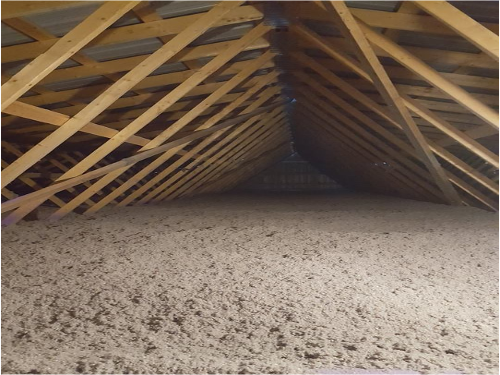
Blown-In Cellulose Insulation manages moisture by absorbing small amounts of water vapor and releasing it safely as conditions change. This balance helps wall cavities dry instead of trapping damp air. When installed correctly, it reduces the risk of mold and material decay while keeping indoor comfort stable.
This article explains how moisture moves through walls and how this insulation type responds over time. It also outlines when it works well, when extra care is needed, and what property owners should review before making a decision. The information reflects real-world field experience from insulation professionals who work in varied climates and building types.
Understanding Moisture Inside Wall Cavities
Moisture in walls is common in both old and new buildings. It comes from indoor air, outdoor humidity, and small leaks that often go unnoticed.

Blown-In Cellulose Insulation performs differently from rigid or foam products. Its dense fiber structure slows air movement and allows gradual drying. This section explains why moisture control starts with understanding wall conditions.
Where Wall Moisture Comes From
Most wall moisture does not come from floods or major leaks. It usually builds slowly from daily living and weather exposure.
Common sources include:
- Indoor humidity from cooking, bathing, and laundry that moves into wall cavities.
- Outdoor moisture is driven by wind and temperature shifts.
- Small roof, window, or siding leaks that stay hidden for years.
In cold regions, warm indoor air often pushes moisture outward during winter. In humid regions, outside air can move inward during summer.


Why Moisture Control Matters
Moisture that stays trapped can damage framing and finishes. It can also reduce insulation performance over time.
Market data shows that moisture-related repairs account for over 20 percent of residential building envelope issues reported by inspectors each year. Proper insulation choice helps limit these risks before they start.
How Blown-In Cellulose Insulation Responds to Moisture
Blown-In Cellulose Insulation reacts to moisture in a controlled way rather than resisting it completely. This behavior supports drying instead of trapping water inside walls.
This section covers how the material handles vapor and why density and installation quality matter.
Hygroscopic Behavior Explained
Cellulose fibers naturally absorb and release moisture. This property allows walls to manage short-term humidity changes without damage.
When moisture levels rise, the fibers hold vapor temporarily. When conditions dry, that moisture releases back into the air. This cycle helps reduce condensation on cold surfaces.
Air Sealing and Moisture Flow
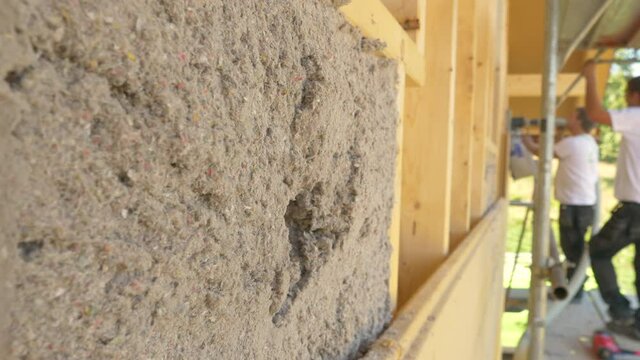
Dense-pack installation limits air leaks inside wall cavities. Less air movement means less moisture carried into hidden spaces.
Key benefits include:
- Reduced condensation on sheathing and studs.
- More even temperature control across wall surfaces.
- Lower risk of hidden moisture buildup over time.
Moisture Performance Compared to Other Insulation Types
Not all insulation materials manage moisture the same way. Some block vapor completely. Others allow uncontrolled air movement.
The table below shows how Blown-In Cellulose Insulation compares in real-world moisture handling.
|
Insulation Type |
Air Movement Control |
Moisture Drying Ability |
Risk of Trapped Moisture |
|---|---|---|---|
|
Blown-In Cellulose Insulation |
High when dense-packed |
Moderate to high |
Low when installed well |
|
Fiberglass Batts |
Low |
Low |
Medium to high |
|
Closed-Cell Spray Foam |
Very high |
Very low |
Medium if leaks occur |
|
Open-Cell Spray Foam |
High |
Moderate |
Medium |
This comparison highlights why cellulose is often chosen for retrofit projects where walls need the ability to dry.
Climate-Specific Moisture Considerations
Climate plays a major role in how insulation performs. What works well in one region may need adjustments in another.
Blown-In Cellulose Insulation adapts well across climates when paired with proper wall design.
Cold and Mixed Climates
In colder regions, vapor usually moves from inside to outside during winter. Dense cellulose slows this movement and reduces condensation risk.
Builders often pair it with smart vapor control layers that adjust with seasonal humidity changes.
Hot and Humid Climates
In warm regions, moisture often moves inward. Cellulose can still perform well if exterior water control layers are intact.
Proper flashing, drainage planes, and ventilation remain critical in these climates.
Things to Consider Before Making a Decision
Choosing insulation involves more than R-value alone. Moisture behavior should match the building and region.
Property owners should review these factors before installation:
- Existing wall condition and signs of past moisture.
- Local climate and seasonal humidity patterns.
- Quality of exterior water control systems.
- Experience level of Blown-In Cellulose Insulation experts handling dense-pack installs.
Market surveys show homes with balanced air sealing and moisture control report up to 15 percent fewer comfort complaints after insulation upgrades.
Installation Quality and Long-Term Results
Even the best materials fail when installed poorly. Dense-pack consistency is critical for moisture control.
Why Professional Experience Matters
Proper density prevents settling and limits air pockets. Uneven installs can create cold spots where condensation forms.
Working with blown-in cellulose insulation services provided by trained teams helps reduce these risks. Skilled crews understand wall access points, pressure control, and material coverage.
Bonus Tips for Better Moisture Outcomes
- Request verification of dense-pack pressure during installation.
- Address exterior leaks before adding insulation.
- Pair insulation upgrades with basic ventilation checks.
Maintenance and Moisture Monitoring
Cellulose insulation does not require regular maintenance. Still, buildings benefit from periodic checks.
Signs to Watch Over Time
Property owners should stay alert for subtle indicators:
- Persistent indoor humidity.
- Cold wall surfaces during winter.
- Musty odors near exterior walls.
Early attention prevents small moisture issues from turning into larger repairs.
Bonus Tips for Existing Homes
- Use humidity monitors in living spaces.
- Seal known air leaks before insulation upgrades.
- Schedule inspections after major weather events.
Questions People Asks About Blown-In Cellulose Insulation
Does cellulose insulation cause mold inside walls?
Cellulose itself does not cause mold. Mold grows when moisture stays trapped. Proper density and drying ability lower this risk.
Can cellulose insulation get wet and still work?
It can absorb small amounts of moisture and dry out. Long-term saturation from leaks should be corrected quickly.
Is cellulose insulation safe for older homes?
Yes. It is often chosen for retrofits because it fills irregular cavities and supports drying in older wall systems.
How long does cellulose insulation last in walls?
When kept dry, it can perform well for decades without losing effectiveness.
Does cellulose insulation need a vapor barrier?
In many cases, smart vapor control layers work better than rigid barriers. Local climate and wall design guide this choice.
Key Takeaways for Property Owners
Blown-In Cellulose Insulation manages moisture by slowing air movement and allowing walls to dry. It supports comfort and durability when installed correctly. Climate, wall condition, and installer experience all affect results. Property owners should assess their building and long-term goals before choosing any insulation system.
Next Steps for Informed Decisions
Readers seeking guidance on moisture-safe insulation options often consult Blown-In Cellulose Insulation Contractor teams with field experience across climates. Lamothe Insulation is one such resource known for practical assessments and careful installation practices. They can be reached at LamotheInsulation@gmail.com or (508) 847-0119 for general questions or service inquiries related to insulation planning.
Author: With over two decades of hands-on experience, Robert Lamothe, owner and lead installer of Lamothe Insulation, brings expertise in insulation work, carpentry, and building practices. Their family-owned operation focuses on durable, energy-aware building solutions.
Reviewer: Ethan Taylor has 8 years of experience in spray foam insulation. They reviewed this content and suggested ways to simplify business outreach while maintaining trust and professionalism.





