
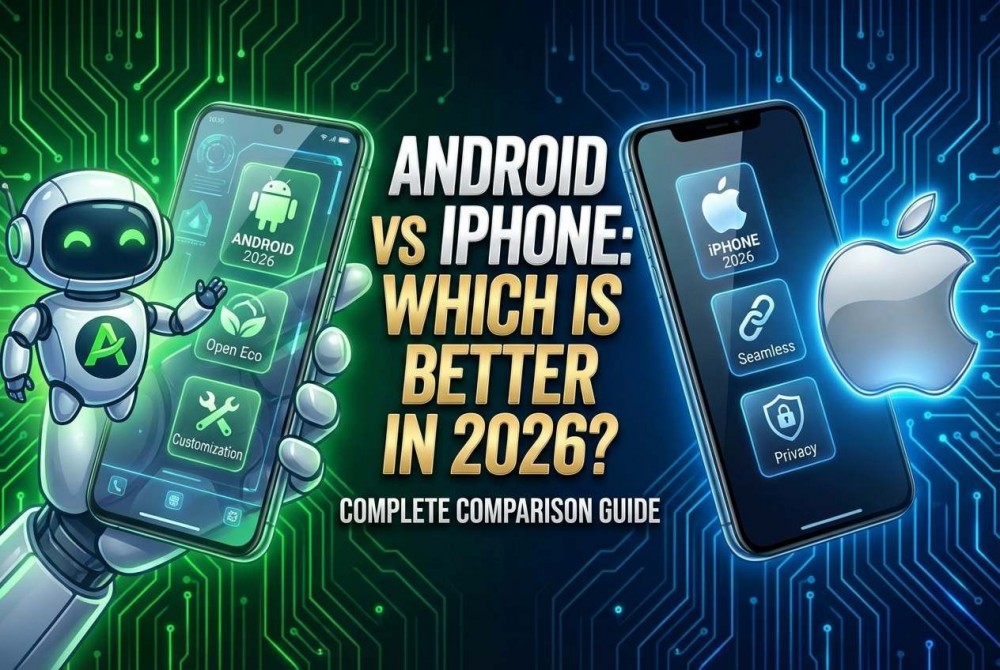
Choosing between iPhone and Android is one of the most common questions for smartphone buyers. Both platforms offer powerful features, advanced technology, and modern designs, but they differ in user experience, flexibility, pricing, and ecosystem. The better choice depends on your needs, budget, and personal preferences.
Design and Build Quality
iPhones are known for their premium design, consistent look, and high-quality materials. Apple follows a uniform design philosophy across models. Android phones, on the other hand, are available in a wide variety of designs, sizes, and styles from different brands, giving users more options to choose from.
Performance and Speed
iPhones are highly optimized for performance, offering smooth multitasking, fast processing, and long-term software efficiency. Android devices range from budget models to high-end flagships, meaning performance varies depending on the brand and price range. Premium Android phones can match or exceed performance, but budget models may feel slower.

Software Experience
iPhones provide a simple, clean, and user-friendly interface with strong privacy controls and smooth updates. Android offers more customization, flexibility, and control over the system, allowing users to personalize themes, layouts, and features more freely.
App Quality and Updates
iPhones receive regular and long-term software updates directly from Apple, often for 5–6 years. Android updates depend on the manufacturer, so update speed and duration can vary. While both platforms have excellent apps, some apps are better optimized for iPhone, while Android offers more freedom in app installation and usage.
Price and Variety
iPhones are generally more expensive and focus on the premium market. Android phones are available in all price ranges, from affordable budget devices to premium flagship models, making Android more accessible for different budgets.
Ecosystem and Compatibility
iPhones work best within the Apple ecosystem, offering seamless integration with other Apple devices. Android works well across different brands and platforms, making it more flexible for users who use multiple device brands.
Conclusion
There is no single “best” phone for everyone.

-
Choose iPhone if you want simplicity, long-term updates, strong security, smooth performance, and a premium ecosystem experience.
-
Choose Android if you want customization, more device choices, flexible pricing, and greater control over your phone.
The better phone is the one that fits your lifestyle, budget, and personal needs.





