
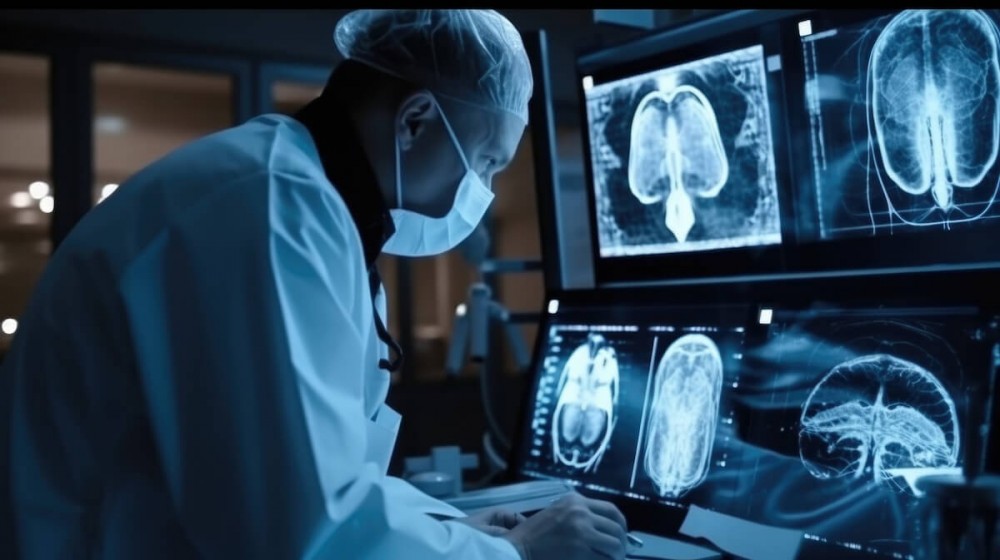
A serious medical diagnosis can turn your world upside down. Whether it’s cancer, a lung disorder, a heart condition, or the recommendation for major surgery, the pressure to make immediate decisions can feel overwhelming. In these critical moments, seeking a medical second opinion is not a sign of distrust — it is a smart, responsible step toward protecting your health.
Modern medicine is advanced, but it is also complex. Treatments are highly specialized, and diagnostic tools require expert interpretation. A second opinion ensures that your diagnosis is accurate and that your treatment plan is truly the best option available.
What Is a Medical Second Opinion?
A medical second opinion is when another qualified specialist reviews your diagnosis, test results, and proposed treatment plan. The goal is to confirm the accuracy of the diagnosis or recommend modifications if necessary.

It provides clarity in situations where:
-
A life-threatening illness is diagnosed
-
Surgery is recommended
-
Treatment is high-risk or expensive
-
Symptoms persist despite therapy

-
You feel uncertain about your current plan
In many cases, the second opinion confirms the original recommendation — which offers reassurance. In other cases, it may reveal alternative treatments that are less invasive or more effective.
Why Diagnostic Confirmation Matters
Even experienced physicians can have different interpretations of complex medical cases. Certain diseases share overlapping symptoms, making diagnosis challenging. Imaging scans, biopsies, and lab reports require specialized expertise.
Research has shown that a meaningful percentage of serious diagnoses are revised or refined after independent review. These changes can impact:
-
The necessity of surgery
-
The intensity of cancer treatment
-
The type of medication prescribed
-
The overall prognosis
When treatment decisions carry long-term consequences, confirming the diagnosis is critical.
The Role of Specialization in Modern Medicine
Healthcare today is highly segmented into super-specialties. For example:
-
Oncology focuses specifically on cancer care.
-
Pulmonology specializes in lung and respiratory disorders.
-
Cardiology addresses heart-related conditions.
-
Pathology examines tissue samples and lab findings.
Because of this specialization, a second opinion from a focused expert often brings deeper insight into complex cases.
For instance, a biopsy interpretation by a general pathologist may differ from that of a cancer-focused pathology expert. Similarly, a lung condition diagnosed as severe may be reclassified after evaluation by a respiratory specialist.
Avoiding Unnecessary Procedures
Surgical and invasive treatments always carry risks — infection, complications, recovery time, and financial costs. Studies suggest that some surgical recommendations are altered after independent review.
Patients who seek second opinions sometimes discover:
-
Surgery can be postponed
-
Non-surgical treatments may work
-
Less aggressive therapy is appropriate
-
Further testing is required before intervention
This does not mean initial doctors are wrong — it reflects the complexity of medicine and the value of multiple expert perspectives.
Emotional and Psychological Benefits
A serious diagnosis affects more than just physical health. It can cause anxiety, confusion, and fear for patients and their families.
A second opinion provides:
-
Reassurance
-
Greater confidence in decisions
-
Clearer understanding of options
-
Reduced stress before treatment
When patients feel informed and confident, they approach treatment with a stronger mindset — which positively impacts recovery.
When Should You Seek a Second Opinion?
While minor illnesses may not require additional consultation, certain situations strongly justify it:
-
Diagnosis of cancer or chronic disease
-
Recommendation for major surgery
-
High-risk cardiac procedures
-
Complex lung disorders
-
Rare or unclear conditions
-
Expensive long-term treatments
-
Lack of improvement despite therapy
If something feels unclear or rushed, seeking another expert’s input is wise.
Is It Disrespectful to Ask?
Many patients worry that requesting a second opinion may offend their doctor. In reality, most physicians understand and support informed decision-making. Healthcare is about collaboration and patient well-being, not ego.
A professional doctor prioritizes your safety above all else.
The Rise of Digital Second Opinions
Technology has made second opinions more accessible than ever. Patients can now share reports, imaging, and lab results securely through digital platforms. This allows experts from different regions to evaluate cases without the need for travel.
Digital access provides:
-
Faster expert review
-
Access to super-specialists
-
Convenience for elderly or critical patients
-
Reduced travel stress
-
Secure sharing of medical data
Healthcare is no longer limited by geography. Expertise is now just a secure upload away.
Financial Considerations
Medical treatments can be costly, especially when involving surgery, chemotherapy, or long-term hospitalization. An incorrect or unnecessary procedure increases both medical and financial burden.
Investing in a second opinion may help:
-
Avoid repeat treatments
-
Reduce hospitalization expenses
-
Improve treatment efficiency
-
Prevent long-term complications
In many cases, it saves more than it costs.
Empowering Patients Through Knowledge
Modern healthcare encourages patient participation. Individuals are no longer passive recipients of medical advice. They are informed participants in decision-making.
A second opinion strengthens this empowerment by ensuring that choices are based on verified information and expert consensus.
Conclusion
A medical second opinion is one of the most valuable tools available in modern healthcare. It confirms diagnosis, refines treatment strategies, prevents unnecessary procedures, and provides emotional reassurance.
When facing serious medical decisions, taking the time to verify your diagnosis is not hesitation — it is wisdom. Your health deserves accuracy, clarity, and confidence.
Before making life-changing treatment decisions, consider seeking another expert perspective. That one extra step could make all the difference in your healthcare journey.





