

In 2026, wall décor is undergoing a subtle but profound shift. We’re witnessing the convergence of two major aesthetics — minimalism, refined and warm, and vintage poster design, nostalgic and character-filled. Together, they represent the perfect balance between serenity and story, simplicity and style.
Let’s explore how these trends are reshaping interiors, why they’re gaining popularity, and how you can bring them into your space.

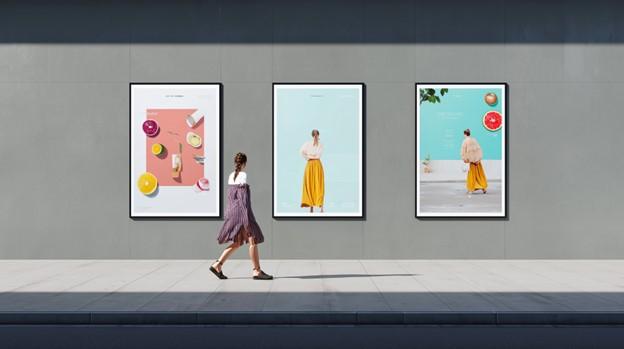
1. The New Face of Minimalism: “Warm Minimalism”
Minimalism isn’t fading away — it’s evolving. In 2026, it’s transforming into what many designers call warm minimalism: spaces that remain clean and uncluttered but with softer edges, tactile materials, and warmer color palettes.
What Defines This Trend
- Neutral, earthy tones: Warm beiges, soft greys, clay pinks, and sage greens are replacing stark white or monochrome.
- Intentional simplicity: Every piece is chosen with purpose — a single poster becomes a focal point rather than part of a crowded collage.

- Soft textures and calm forms: The look favors organic shapes, subtle texture, and gentle lines to create comfort within simplicity.
Why It’s Growing
In a world of digital overload and constant stimulation, people crave calm, grounding spaces. Warm minimalism creates a tranquil environment that promotes focus, reflection, and relaxation — ideal for both home and work settings.
How to Bring It Home
- Choose one large minimalist print in neutral tones as your room’s centerpiece.
- Pair it with natural materials — wooden frames, linen fabrics, or greenery.
- Keep the surrounding décor simple so the artwork can stand out.
- Invest in high-quality prints and frames to achieve understated luxury rather than emptiness.
2. The Vintage Poster Revival
Alongside minimalism’s rise, vintage poster design is making a powerful comeback. These designs celebrate nostalgia and craftsmanship — from retro typography to classic illustrations — and bring a sense of story and character to modern interiors.
What Defines This Trend
- Retro color palettes: Ochre, dusty rose, forest green, and burnt orange dominate the vintage look.
- Classic themes reinterpreted: Think travel posters, botanical prints, film artwork, and mid-century advertisements refreshed with modern printing quality.
- Craftsmanship and detail: Archival papers, textured finishes, and solid wood frames highlight quality over quantity.
Why It’s Growing
In an era of mass production and digital art, people are gravitating toward designs that feel authentic and soulful. Vintage posters add warmth, heritage, and individuality — whether you’re styling a city loft or a cozy cottage.
How to Style It
- Pick a statement vintage poster — perhaps an old travel destination, floral print, or typography design.
- Frame it in natural or slightly aged wood to enhance its nostalgic charm.
- Mix with modern furniture or minimalist prints for balance.
- Let the poster’s story and era complement your personal aesthetic.
3. The Perfect Blend: Minimalist Meets Vintage
While they may seem like opposites, minimalism and vintage actually complement each other beautifully. The calm simplicity of minimalist art provides balance, while vintage pieces add warmth and character — together creating a refined yet inviting space.
Key Merging Ideas
- Neutral backdrops for expressive pieces: A warm-toned wall paired with a bold vintage print keeps the look elegant and cohesive.
- Modern heritage aesthetic: Combine clean lines with pieces that have historical character.
- Fewer, bolder choices: Both trends embrace the philosophy of quality over quantity — one striking artwork can define an entire room.
Example Setup
- A soft sand-colored wall
- One large vintage travel or botanical poster in a wooden frame
- A minimalist line-art print nearby to balance the space
- Light furnishings, plants, and organic textures for harmony
4. Supporting Elements: Color, Texture, and Material Trends
To fully embrace 2026’s aesthetic, focus on the details that enhance both minimal and vintage styles:
- Earth-toned color palettes: Warm whites, olive greens, clay pinks, khaki, and walnut tones dominate the décor scene.
- Natural and tactile materials: Wood, linen, recycled frames, and matte paper lend authenticity and softness.
- Sustainable craftsmanship: Eco-friendly and handmade art pieces are becoming highly sought-after.
- Muted metallics: Brass and brushed gold frames add subtle sophistication without overpowering the art.
These elements work together to create walls that feel calm, grounded, and intentional.
5. How to Style Your Space in 2026
Bringing these trends into your home or workspace is all about balance and intentionality. Here are a few practical tips:
- Choose one statement piece. Large, eye-catching prints are more impactful than cluttered gallery walls.
- Mix eras thoughtfully. Pair modern minimalist posters with vintage designs for a curated, lived-in aesthetic.
- Mind your surroundings. Complement your art with warm-toned walls and natural lighting to enhance depth and texture.
- Frame it right. Use simple matte frames for minimalist pieces and rich wooden or brass ones for vintage art.
- Keep it personal. Select art that resonates with your story — travel destinations, favorite quotes, or timeless motifs.
- Let the art breathe. Avoid over-decorating; give each piece space to stand out.
6. Why These Trends Matter
The rise of minimalist and vintage poster designs reflects a broader cultural movement: a desire for authenticity, emotional connection, and balance.
After years of sleek, impersonal modernism, people are rediscovering the joy of art that feels human — pieces that calm the mind while evoking memory and meaning. Wall art in 2026 is no longer just about matching colors or filling space; it’s about storytelling and atmosphere.
Minimalism provides the peace and focus our busy lives demand, while vintage elements remind us of where we’ve been — grounding our spaces in emotion and history. Together, they create interiors that feel both modern and timeless.





