

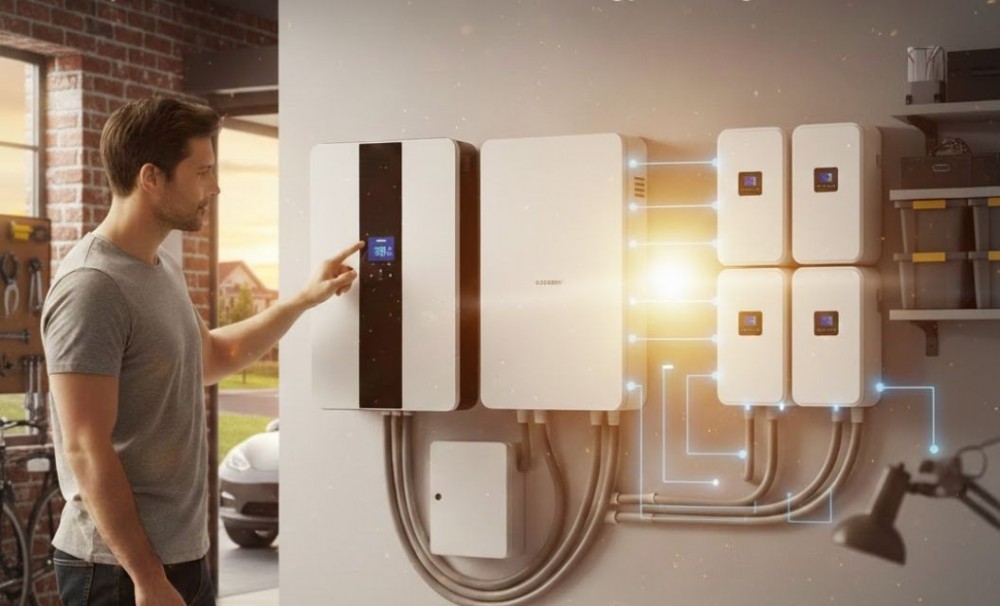
Living in an RV or tiny house offers freedom, flexibility, and a minimalist lifestyle. However, reliable energy storage remains one of the biggest challenges for mobile and small-space living. Whether you are traveling off-grid in an RV or building a solar-powered tiny home, choosing the right battery system is critical. A wall mounted battery for RV and tiny house energy storage provides a compact, efficient, and modern solution for managing power in limited spaces.
In this complete guide, we will explore how wall mounted batteries work, why they are ideal for RVs and tiny houses, and what to consider before installation.
Why Energy Storage Matters for RVs and Tiny Homes
RVs and tiny houses often rely on solar panels, shore power, or generators for electricity. Without proper energy storage, power supply becomes inconsistent and unreliable. Solar panels only generate electricity during daylight hours, and generators require fuel and maintenance.

A dependable battery system stores excess energy so you can use it at night, during cloudy weather, or when parked away from hookups. For off-grid living, energy storage is not optional; it is essential.
Unlike traditional bulky battery banks, wall mounted batteries are designed to maximize vertical space, making them particularly suitable for compact living environments.
What Is a Wall Mounted Battery?
A wall mounted battery is a lithium-based energy storage system that attaches securely to a wall rather than sitting on the floor. These batteries typically use lithium iron phosphate (LiFePO4) chemistry, which is known for safety, long lifespan, and stable performance.
The vertical design frees up valuable floor space, which is especially important inside an RV or tiny home where every square foot counts. Instead of sacrificing storage or living space, homeowners can integrate the battery system neatly into a utility wall or cabinet area.
Most modern wall mounted batteries include a built-in battery management system (BMS) that monitors voltage, temperature, and charging cycles to ensure safe and efficient operation.

Advantages of Wall Mounted Batteries for RV Living
RVs require energy systems that are compact, lightweight, and durable. Wall mounted lithium batteries offer several advantages over traditional lead-acid options.
First, lithium batteries are significantly lighter than lead-acid batteries with comparable capacity. This reduces overall vehicle weight, which is critical for fuel efficiency and safe travel.
Second, lithium batteries allow deeper discharge. While lead-acid batteries should only be discharged to about 50 percent to preserve lifespan, lithium batteries can safely operate at 80 to 90 percent depth of discharge. This provides more usable energy in a smaller footprint.
Third, wall mounted batteries are low maintenance. RV owners do not need to check fluid levels or worry about ventilation for gas emissions, as lithium iron phosphate batteries produce no fumes during normal operation.
Finally, the compact wall-mounted design keeps the energy system organized and protected from shifting during travel.
Why Tiny Homes Benefit from Wall Mounted Energy Storage
Tiny homes are built around efficiency and smart space utilization. Floor space is limited, and mechanical systems must be carefully integrated into the design.
A wall mounted battery aligns perfectly with this philosophy. By installing the battery vertically in a utility closet or mechanical wall, homeowners preserve valuable living space.
For off-grid tiny homes powered by solar panels, wall mounted batteries store daytime solar production for nighttime use. This ensures continuous power for lighting, appliances, water pumps, and heating systems.
Additionally, lithium batteries offer long cycle life, often exceeding 6,000 cycles. This makes them a cost-effective long-term investment for permanent tiny house installations.
Integration with Solar Panels and Inverters
Most RVs and tiny homes use solar panels paired with charge controllers and inverters. A wall mounted battery integrates seamlessly into this setup.
During the day, solar panels generate electricity and charge the battery. The inverter converts stored DC energy into AC power for appliances such as refrigerators, laptops, and induction cooktops.
If shore power is available at a campground, the battery can also charge from the grid. This flexibility ensures you always have stored energy ready, regardless of your location.
Choosing a battery compatible with your inverter’s voltage, often 48V or 24V depending on system size, is essential for smooth integration.
Space and Installation Considerations
Although wall mounted batteries are compact, proper installation planning is still necessary.
In an RV, the battery should be mounted securely to prevent movement during travel. Reinforced wall panels or dedicated mounting brackets are typically required.
In tiny homes, installation should follow electrical code requirements and include adequate ventilation. While lithium iron phosphate batteries are stable and safe, maintaining moderate temperature conditions improves lifespan and efficiency.
You should also allow space for additional components such as the inverter and disconnect switches. Keeping the system organized not only improves safety but also simplifies maintenance.
Safety and Reliability
Safety is a top priority in small living spaces. Modern wall mounted lithium batteries include advanced battery management systems that prevent overcharging, overheating, and short circuits.
Lithium iron phosphate chemistry is one of the safest lithium battery types available. It offers strong thermal stability and reduced fire risk compared to other lithium chemistries.
When installed properly and paired with quality electrical components, a wall mounted battery provides reliable and worry-free energy storage for both mobile and stationary applications.
Cost and Long-Term Value
The upfront cost of a wall mounted lithium battery may be higher than traditional lead-acid batteries. However, the long-term value is significantly greater.
Lithium batteries last longer, require less maintenance, and deliver more usable energy per charge cycle. For RV owners and tiny house dwellers who depend heavily on stored energy, this reliability reduces replacement frequency and overall lifetime costs.
In addition, pairing a wall mounted battery with solar panels reduces reliance on fuel-powered generators, lowering fuel expenses and minimizing environmental impact.
Investing in a high-quality system from a trusted manufacturer such as Avepower ensures durability, smart energy management, and consistent performance for years of off-grid living.
Is a Wall Mounted Battery Right for Your Setup?
A wall mounted battery for RV and tiny house energy storage is ideal if you value compact design, efficient performance, and long-term reliability.
For RV travelers, it provides lightweight, secure energy storage that supports extended off-grid adventures. For tiny home owners, it delivers clean and organized power storage that fits seamlessly into limited space.
Before purchasing, evaluate your daily energy consumption, solar capacity, and available installation space. Proper sizing ensures your battery system meets your power needs without unnecessary expense.
Final Thoughts
Energy independence is at the heart of RV and tiny house living. A wall mounted battery offers a modern solution that combines space efficiency, advanced lithium technology, and reliable performance.
By storing solar energy during the day and delivering consistent power at night or during cloudy weather, these batteries enhance comfort and convenience in small living environments. With proper planning and professional installation, a wall mounted battery can transform your RV or tiny house into a self-sufficient, energy-efficient home on wheels or on land.
Choosing the right system ensures you enjoy freedom, mobility, and sustainability without compromising on reliable power.





