

Knee Joint Preservation: Non-Surgical Options to Save Your Knee
Knee pain is one of the most common musculoskeletal complaints affecting people of all ages. Whether caused by sports injuries, age-related wear and tear, or lifestyle factors, persistent knee discomfort can interfere with walking, climbing stairs, exercising, and even sleeping comfortably. Many individuals fear that chronic knee pain automatically leads to knee replacement surgery. However, this is not always the case.
Modern orthopaedics increasingly emphasises knee joint preservation, focusing on non-surgical strategies to relieve pain, restore mobility, and protect the natural joint. With early diagnosis and a structured treatment plan, many patients can significantly delay or completely avoid knee replacement.
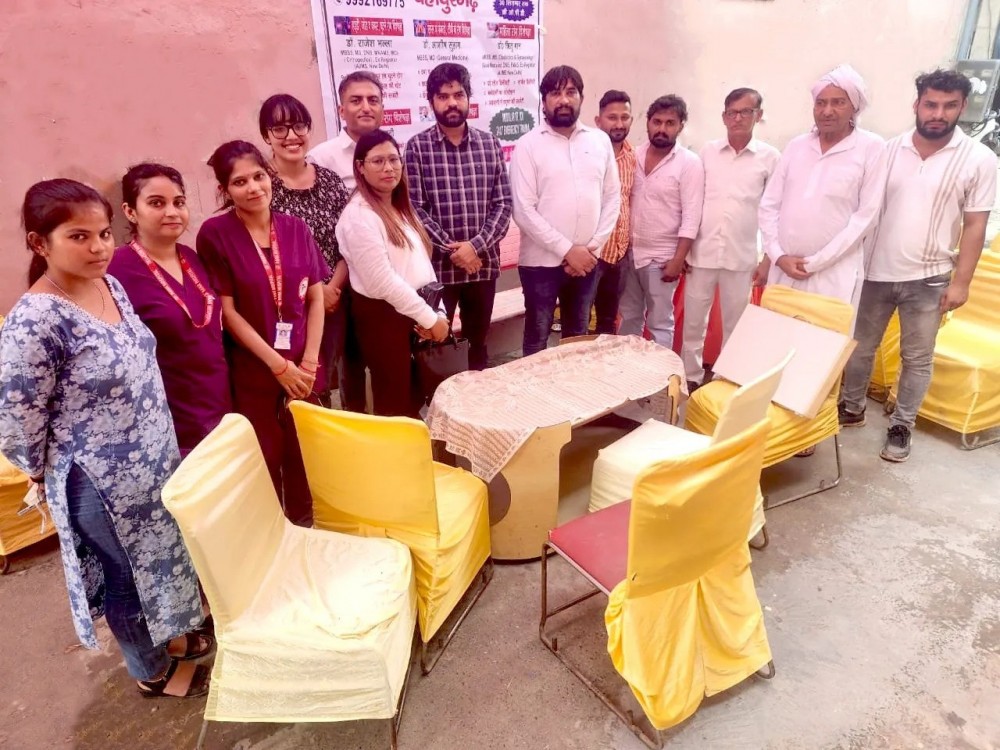
At Dr. Rajesh Bhalla’s Orthopaedic & Joint Preservation Clinic, the primary goal is to preserve the natural knee joint whenever possible. By combining advanced diagnostics, personalised rehabilitation programs, and evidence-based therapies, patients receive comprehensive care tailored to their specific condition. Learn more at https://drrajeshbhalla.com/.

Understanding Knee Joint Preservation
Knee joint preservation refers to a range of treatments designed to maintain the natural structure and function of the knee. Instead of replacing damaged components with artificial implants, preservation strategies aim to strengthen supportive tissues, reduce inflammation, correct imbalances, and slow the progression of cartilage wear.
The knee is a complex hinge joint formed by the femur, tibia, and patella. It relies on cartilage, ligaments, menisci, and muscles to function smoothly. When any of these components become compromised, pain and stiffness may develop.
Preserving the knee means addressing these issues early and comprehensively. By improving joint mechanics and protecting remaining cartilage, patients can maintain mobility and reduce long-term complications.
Common Causes of Knee Pain
Understanding the underlying cause of knee pain is essential for effective non-surgical treatment.
Early-stage osteoarthritis is one of the most common causes. In this condition, cartilage gradually thins, leading to stiffness and discomfort. When detected early, lifestyle adjustments and targeted therapies can significantly slow progression.

Meniscus injuries can also contribute to knee pain. Small or degenerative tears often respond well to conservative management.
Ligament strains, mild instability, and muscle imbalances frequently place abnormal stress on the joint. Correcting these issues through rehabilitation can dramatically improve symptoms.
Inflammatory conditions such as bursitis or tendonitis may cause swelling and pain but typically respond well to non-surgical care.
Accurate diagnosis through clinical examination and imaging studies allows for a tailored preservation plan that addresses the root cause rather than simply masking symptoms.
The Importance of Early Intervention
One of the key principles of knee joint preservation is early intervention. Many individuals ignore mild knee discomfort until it becomes severe. Unfortunately, delayed treatment may allow cartilage damage to progress.
If you experience persistent knee pain, morning stiffness, swelling, or difficulty with routine movements, seeking evaluation early can improve outcomes. Early management increases the likelihood that non-surgical strategies will be effective.
Timely care can prevent small issues from becoming major structural problems that require invasive procedures.
Physical Therapy and Structured Exercise
Physical therapy forms the foundation of knee preservation. A customized rehabilitation program strengthens the muscles surrounding the knee, particularly the quadriceps, hamstrings, and hip stabilizers.
Strong muscles act as natural shock absorbers, reducing the load on the knee joint. Improved muscle balance enhances alignment and prevents abnormal stress patterns that accelerate cartilage wear.
Stretching exercises improve flexibility and joint mobility. Balance training and proprioceptive exercises enhance coordination and reduce the risk of further injury.
Consistency is crucial. Patients who adhere to structured exercise programs often experience significant pain reduction and functional improvement.
Weight Management and Lifestyle Modification
Excess body weight places substantial pressure on the knee joint. Every step taken multiplies body weight across the joint surfaces. Even modest weight loss can significantly reduce joint stress and alleviate symptoms.
Adopting a healthy diet and incorporating low-impact activities such as swimming, cycling, or walking on even surfaces can support knee preservation.
Avoiding high-impact sports or repetitive deep squatting may also protect the joint from additional strain.
Lifestyle modification is not merely supportive; it is a central pillar of long-term knee health.
Medications and Pain Management
Non-steroidal anti-inflammatory medications may be prescribed to reduce pain and inflammation during flare-ups. These medications are typically used for short periods under medical supervision.
Topical treatments and supportive measures such as ice therapy can also provide symptom relief.
While medications help manage discomfort, they are most effective when combined with rehabilitation and lifestyle changes rather than used as standalone solutions.
Injection Therapies
Injection-based treatments offer another non-surgical option for knee joint preservation.
Corticosteroid injections may reduce inflammation and provide temporary relief in selected cases.
Hyaluronic acid injections aim to improve joint lubrication and cushioning, potentially reducing stiffness and discomfort.
Platelet-Rich Plasma therapy is an emerging regenerative option. By concentrating growth factors from the patient’s own blood and injecting them into the knee, PRP may promote healing and reduce inflammation in early-stage cartilage damage.
These therapies are carefully selected based on individual patient profiles and severity of joint degeneration.
Bracing and Supportive Devices
In certain cases, knee braces can help redistribute load away from damaged areas of the joint. Unloader braces are particularly useful in patients with uneven wear in one compartment of the knee.
Orthotic shoe inserts may improve lower limb alignment and reduce stress on the knee during walking.
These supportive measures can enhance comfort and allow patients to remain active while protecting the joint.
Preventing Progression to Surgery
The ultimate goal of knee joint preservation is to prevent or significantly delay the need for knee replacement surgery.
By strengthening muscles, reducing inflammation, correcting alignment issues, and maintaining a healthy weight, patients can slow cartilage degeneration.
Regular follow-ups and monitoring allow adjustments to the treatment plan as needed. Preventive care is far more effective than waiting for advanced joint damage.
For many individuals, comprehensive non-surgical management provides years of improved mobility and pain control.
Psychological and Quality of Life Benefits
Preserving the natural knee joint offers psychological benefits in addition to physical improvements. Many patients prefer avoiding major surgery and maintaining their original anatomy.
Improved mobility enhances independence, confidence, and participation in daily activities. Staying active also contributes to overall health, including cardiovascular fitness and mental well-being.
Knee preservation supports a holistic approach to health, addressing both physical and emotional aspects of recovery.
Who Is a Good Candidate for Non-Surgical Knee Preservation
Patients with early to moderate arthritis, mild structural abnormalities, or soft tissue injuries are often ideal candidates for non-surgical management.
Younger individuals seeking to delay joint replacement may benefit significantly from preservation strategies.
Even older adults can achieve meaningful improvement through structured rehabilitation and lifestyle modifications.
However, advanced bone-on-bone arthritis with severe deformity may eventually require surgical intervention. A thorough evaluation helps determine the most appropriate path.
Why Choose Dr. Rajesh Bhalla for Knee Joint Preservation
Choosing an experienced orthopaedic specialist is essential for successful joint preservation. Accurate diagnosis and personalized care make a substantial difference in outcomes.
Dr. Rajesh Bhalla emphasizes patient-centered treatment plans designed to protect and restore natural joint function. The clinic integrates modern diagnostic tools, customized physiotherapy programs, injection therapies, and ongoing monitoring to ensure comprehensive care.
Rather than immediately recommending knee replacement, every effort is made to explore non-surgical options first. Patients receive clear guidance, education, and support throughout their treatment journey.
To explore advanced knee preservation strategies tailored to your condition, visit https://drrajeshbhalla.com/.
Frequently Asked Questions
Many patients ask whether non-surgical treatment can completely cure knee arthritis. While it may not reverse cartilage loss, it can significantly reduce symptoms and slow progression.
Another common concern is how long results last. With consistent adherence to exercise and lifestyle recommendations, benefits can be long-lasting.
Patients also wonder whether injections are safe. When administered appropriately by a qualified specialist, injection therapies are generally safe and effective for selected individuals.
Final Thoughts
Knee pain does not automatically mean you need knee replacement surgery. With modern non-surgical approaches, knee joint preservation offers effective solutions to relieve pain, restore function, and protect your natural joint.
Early diagnosis, structured rehabilitation, lifestyle modifications, and advanced therapies can collectively transform knee health. By taking proactive steps and seeking expert guidance, many patients can enjoy improved mobility and quality of life without undergoing major surgery.
If you are experiencing persistent knee pain and wish to explore non-surgical options, consulting an experienced orthopaedic specialist is the first step. At Dr Rajesh Bhalla’s Orthopaedic & Joint Preservation Clinic, the focus remains on saving your knee, reducing pain, and helping you stay active for years to come.
Google Map:- https://share.google/97VvSRsTmnAIdOzfy
Follow these links for more information:
https://drrajeshbhalla.com/





