

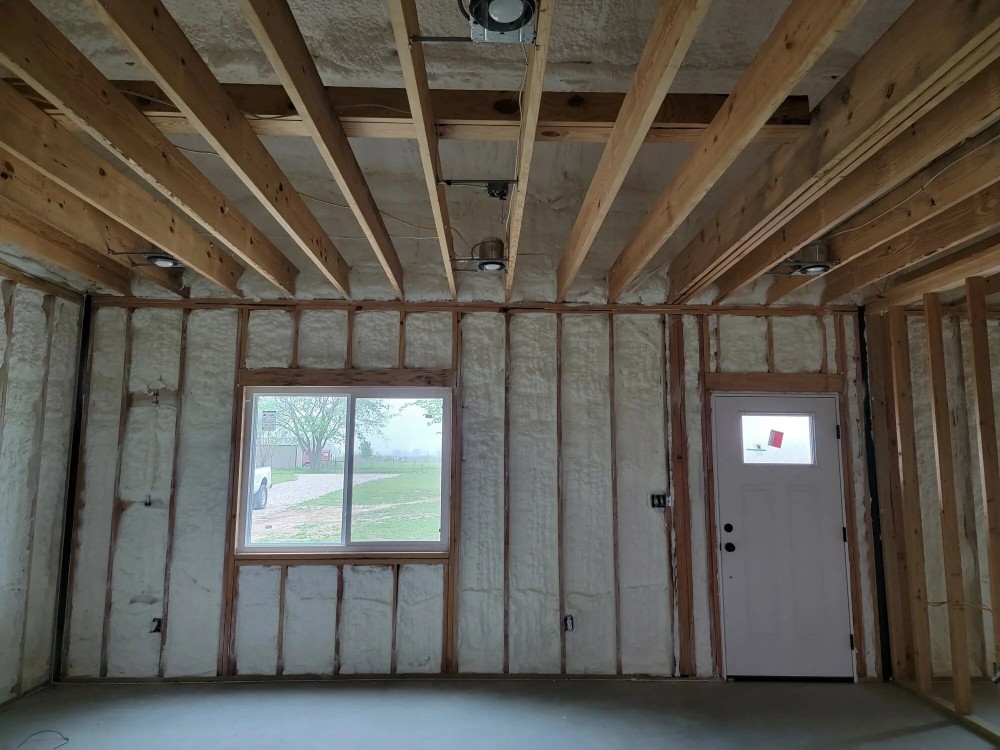
New construction insulation in humid climates functions by creating a barrier that regulates temperature and moisture within the building envelope. Effective insulation prevents warm, moist air from penetrating walls, ceilings, and floors, reducing condensation and mold growth. New Construction Insulation experts select materials that maintain performance even in high humidity while optimizing energy efficiency.
Buildings in humid areas require insulation systems that can handle moisture without losing thermal resistance. New Construction Insulation services often integrate vapor retarders, sealed seams, and moisture-resistant materials to keep interior spaces dry and comfortable. This ensures long-term durability and reduces the risk of structural damage caused by persistent moisture.
High Country Solutions has extensive experience developing sustainable insulation materials designed for challenging climates. Their knowledge helps property owners achieve effective thermal control while minimizing environmental impact.

Understanding the Role of Insulation in Humid Areas
In humid climates, air carries high moisture content that can infiltrate poorly insulated walls and ceilings. New construction Insulation contractor focuses on stopping air leaks and moisture intrusion through both material choice and installation techniques.
Proper insulation in humid regions delivers multiple benefits:
- Reduces energy costs by limiting the need for air conditioning
- Minimizes condensation that can lead to mold growth
- Maintains indoor comfort during peak humidity
Effective insulation also improves air quality by preventing damp conditions that encourage allergens.
Types of Insulation Suitable for Humid Climates
Different insulation types respond differently to moisture. New Construction Insulation experts often evaluate materials based on their R-value stability and water resistance.
|
Insulation Type 
|
Moisture Resistance |
Typical R-Value per Inch |
Ideal Application |
|---|---|---|---|
|
Closed-cell spray foam |
High |
6.0–7.0 |
Walls, roof cavities |
|
Fiberglass batts |
Low to moderate |
2.9–3.8 |
Interior walls with vapor barrier |
|
Mineral wool |
High |
3.0–3.3 |
Exterior walls and floors |
|
Rigid foam panels |
High |
4.5–5.5 |
Roofs, exterior sheathing |
These options highlight how material choice directly impacts both thermal efficiency and moisture control in humid areas.
Bonus Tips
- Install vapor barriers on the warm side of walls to prevent condensation inside insulation
- Seal all joints and penetrations to maintain continuous protection
- Use insulated sheathing on exterior walls for additional moisture resistance
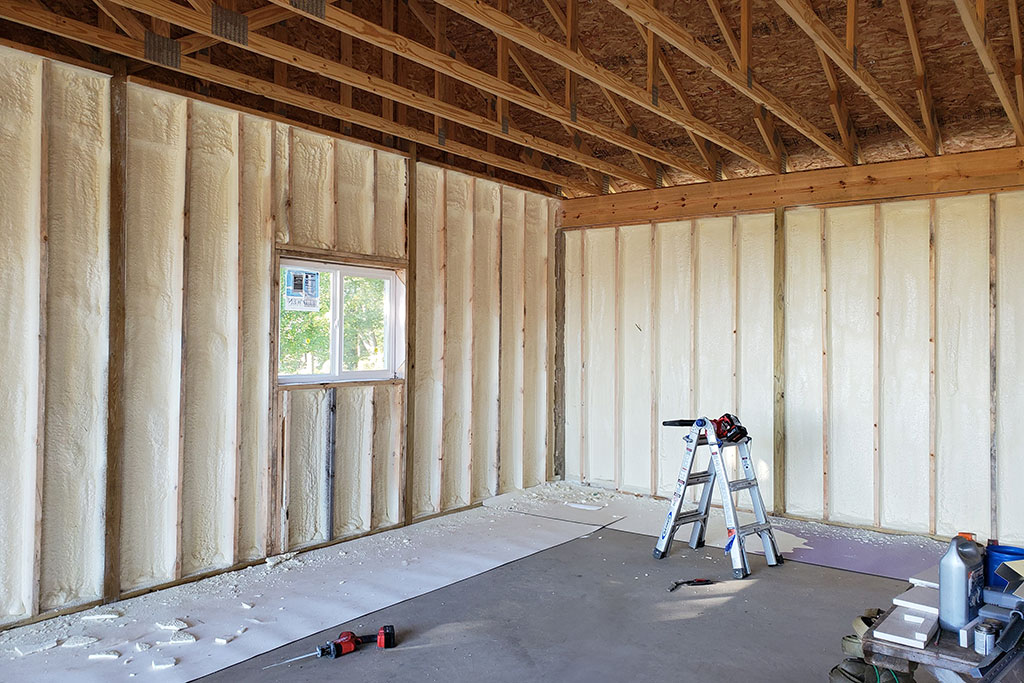
Installation Techniques That Make a Difference
Even the best materials underperform if not installed correctly. New Construction Insulation experts follow detailed procedures to ensure airtightness and moisture management.
Air Sealing
Air sealing stops humid air from entering the building envelope. Proper sealing around windows, doors, and plumbing is essential. Gaps as small as 1/8 inch can allow significant moisture infiltration, reducing the effectiveness of insulation.
Vapor Management
Moisture control requires more than just a barrier. Experts often incorporate:
- Vapor retarders with proper permeability
- Air gaps behind cladding for ventilation
- Controlled attic ventilation to remove trapped humid air
Bonus Tips
- Inspect roof and wall penetrations for leaks before installing insulation
- Consider hybrid systems that combine spray foam and rigid panels for optimal performance
Things to Consider Before Making a Decision
Selecting the right New Construction Insulation services requires evaluating multiple factors beyond cost. Understanding the environment, building design, and material characteristics is essential.
- Climate conditions: High humidity zones demand moisture-resistant materials
- Building orientation: Exposure to sun and prevailing winds affects insulation performance
- Material longevity: Choose materials that resist sagging, mold, and decay
- Energy efficiency goals: Consider long-term energy savings over upfront cost
- Compliance with local codes: Verify that insulation meets regional building regulations
Market Insight
Properties in humid regions with proper insulation can reduce annual energy bills by up to 25%, while buildings with substandard insulation often experience recurring maintenance issues from mold and rot.
Regional Guidance for Humid Climates
Southern states and coastal regions often face high seasonal humidity. In these areas, New Construction Insulation experts recommend:
- Using closed-cell spray foam for walls and roof cavities
- Installing dehumidifiers and ventilation fans in attics and basements
- Avoiding insulation materials that absorb water easily, such as untreated fiberglass
By following these guidelines, buildings maintain structural integrity while improving occupant comfort.
Questions About Insulation in Humid Climates
How does insulation prevent mold in humid climates?
Proper insulation blocks humid air and manages condensation. Materials with high moisture resistance reduce the chance of water accumulation inside walls.
Can spray foam insulation work in high humidity areas?
Yes, closed-cell spray foam provides both thermal resistance and moisture barrier properties, making it suitable for humid environments.
Are fiberglass batts effective in humid regions?
Fiberglass works if paired with a vapor retarder. Without it, bats can absorb moisture, lowering efficiency and increasing mold risk.
What R-value is recommended for humid climates?
R-values depend on local climate. For humid zones, R-13 to R-21 in walls and R-30 to R-49 in ceilings is common. Experts often adjust based on ventilation and material type.
How often should insulation be inspected in humid areas?
Inspections every 5 years or after significant weather events help identify moisture problems early. Timely maintenance prevents long-term damage.
Additional Considerations
Selecting a New Construction Insulation company that understands both moisture and energy management is critical. Integration of technology with high-performance materials ensures long-term reliability and sustainability.
Key Takeaways
Effective insulation in humid climates relies on choosing the right material, proper installation, and ongoing moisture management. Buildings benefit from reduced energy costs, improved indoor air quality, and longer-lasting structural performance. Evaluate your specific climate conditions, building design, and energy goals before selecting insulation solutions.
Next Steps for Property Owners
Property owners seeking guidance should contact High Country Solutions for advice on New Construction Insulation services. They offer expertise in moisture-resistant, eco-friendly insulation systems. For consultation: email admin@highcountrysol.com or call (307) 248-9063 to connect with knowledgeable professionals who can help improve building performance and sustainability.
Author
Author: Skeeter Aimone, co-founder of High Country Solutions, develops eco-friendly products to improve sustainability in outdoor gear.
Reviewer
Reviewer: Samuel Harris has over 11 years of experience in spray foam insulation, focusing on helping businesses present their services effectively to clients.





