

Choosing the right conveyor belt isn't just a technical detail; it’s a big decision that keeps your business running smoothly, keeps your costs down, and ensures your products stay safe.
Most people end up choosing between PVC and PU belts because they are the most flexible options on the market. While the different belts might replicate each other, finding a perfect one depends on your needs and your day-to-day operations. It really comes down to the kind of workspace you’re in and how much of a workout you’re going to give that belt every day.
Understanding PVC Conveyor Belt
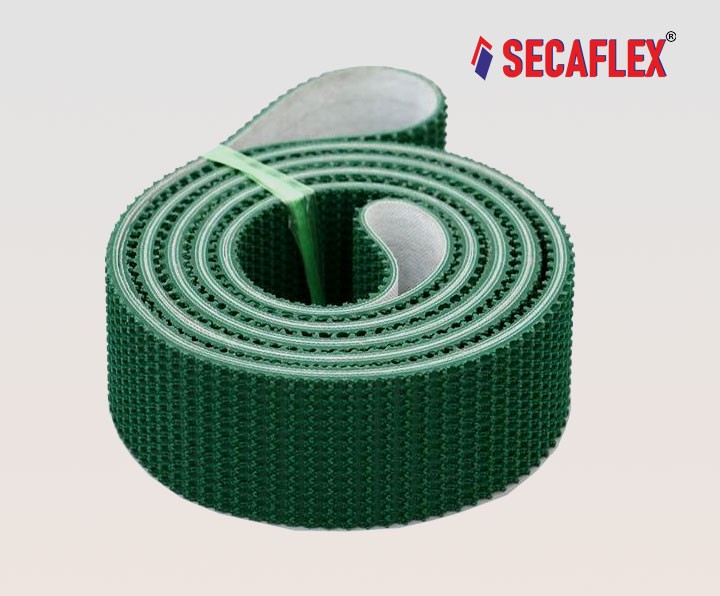
A PVC belt is made from a type of durable plastic called polyvinyl chloride. To make it extra strong so it doesn't stretch or snap, it’s reinforced with layers of fabric like polyester or nylon. These belts are the "go to" choice for light to medium-sized jobs where you want to keep costs low but still need everything to move smoothly.

Why do people choose PVC:
- Budget friendly: It is one of the most affordable options available.
- Steady and Smooth: It provides a flat, stable surface that's great for moving items without them wobbling or falling.
- Tough Against Liquids: It stands up well to moisture and most basic industrial cleaning chemicals.
- Zero Stress: You don’t need a full day to set up these belts. They’re built to keep running smoothly without any attention.
Since these systems are so dependable and easy to live with, they’ve become the go-to choice for moving goods in warehouses, packing centers, and factories everywhere.
Why People Choose PU Over PVC
While PVC belts are common, PU belts are the go-to when you need something a bit more "heavy duty" yet flexible. Here is how they stack up:

- Better Bends: They are much more flexible, so they can handle twisty or complicated paths without snapping.
- Tough Against Spills: They don't mind getting messy. They resist cuts and won't break down if they come into contact with oils, grease, or harsh cleaning chemicals.
- Super Clean: They are much easier to keep germ-free, which is why they are a favorite for moving food.
The Bottom Line
Because they are built to last longer and stay cleaner, they do cost a bit more than a standard PVC belt.
PVC Conveyor Belt vs PU Conveyor Belt: Key Comparison
|
Feature |
PVC Conveyor Belt |
PU Conveyer Belt |
|
Cost |
More economical |
Higher initial cost |
|
Flexibility |
Moderate |
High |
|
Abrasion Resistance |
Standard |
Excellent |
|
Chemical Resistance |
Good |
Very High |
|
Hygiene Sustainability |
Limited |
Excellent |
|
Typical Applications |
Logistics, Packing, Warehousing |
Food, Pharma, Cold Storage |
A Direct and Practical Approach
If you’re running a standard sorting or distribution center where you don't need to meet strict food safety rules, just stick with PVC belts. They are reliable workhorses that get the job done without costing you a fortune
- Manufacturing & Packaging: These belts provide a steady grip and run smoothly on average speed lines. They are a great, budget-friendly choice for keeping your packaging moving reliably every day.
- Cold Storage & Food Processing: PU belts can be easily maintained and cleaned. Even when exposed to oil, water, or freezing temperatures, these belts won't break.
- Managing Materials in General: If you are searching for low-cost and simple maintenance, PVC belts are a perfect fit for you. These belts offer solid performance and features without any extra chargers.
Cost and Maintenance Considerations
When it comes down to it, most businesses choose this belt for one simple reason: it’s easy on the wallet. Because it’s affordable to buy upfront and doesn't require a complicated maintenance routine, it’s a smart, reliable choice for everyday industrial work.
You might hear a lot about PU belts being tougher in extreme conditions, but they aren't always worth the extra price tag.
Five Step Checklist for Belt Selection
If you take a methodical approach, choosing the best conveyor belt need not be difficult. You can clearly assess your needs and select the best belt for your application with the help of this five step checklist.
Step 1: Understand the Application
The very first and important step is to identify where and how the belt will be used. For this, you need to examine the type of material which is being used, observe the loading weight, operation speed, and keep a check on the conveyor if it rune continiously. A PVC Conveyor Belt functions well in moderate and dry humid environments.
Step 2: Look Beyond the Data
In the procedure of belt selection, environment condition plays a major role. Evaluating the exposure to moisture, chemicals, oils, dust, or temperature variations is important. A moderately humid and dry environment is required by the PVC belt in order to perform well.
Step 3: Consider Hygiene and Industry Standards
In industries like food processing, pharmaceuticals, and healthcare, staying hygienic is non-negotiable. While a food-grade PVC belt works for some jobs, high-stakes environments often need materials that are easier to deep clean and fully certified. Always double-check industry standards before you settle on a belt.
Step 4: Assess Maintenance and Belt Life
Don't overlook how often you'll need to handle maintenance or what downtime might cost you. A PVC conveyor belt is a go-to because it’s low-maintenance and easy to swap out, which is perfect when you're focusing on keeping things simple and costs down.
Step 5: Balance Cost with Long Term Value
Long term value is more significant than initial cost. Examine the purchase price, anticipated lifespan, and upkeep costs. A PVC belt provides the best combination of cost-effectiveness and dependable performance in a variety of light to medium-duty applications.
Why This Checklist Matters
Following this step-by-step approach helps avoid over-engineering or underspecifying your conveyor system. Choosing the right belt from the start improves efficiency, reduces downtime, and ensures your operation runs smoothly for years to come.
Common Mistakes When Choosing Conveyor Belts
- Selecting PU belts when a PVC Conveyor Belt is sufficient
- Ignoring operating temperature and chemical exposure
- Overlooking long term maintenance costs
- Not considering industry-specific compliance needs
Avoiding these mistakes ensures better belt life and improved system efficiency.
Conclusion
If you want something that just works, doesn't cost a fortune, and is easy to fix, a PVC conveyor belt is the way to go. It’s the "all-rounder" for moving general items and is a smart choice if you want to keep your costs down while still getting a dependable, long-lasting setup.
However, if you’re dealing with food, grease, or really tricky corners, a PU belt is the better option. While it comes with a slightly higher upfront cost, it offers superior resistance to oils and is easier to keep clean, making it ideal for specialised jobs where hygiene and performance matter, something DKTEE often advises for demanding industrial environments.
FAQs
- Is a PVC Conveyor Belt suitable for food applications?
Some food-grade PVC belts exist, but PU belts are generally preferred for strict hygiene environments.
- Which option is more cost-effective: PVC or PU?
A PVC Conveyor Belt is more cost-effective for light to medium-duty industrial applications. - Can a PVC Conveyor Belt handle chemicals?
Yes, a PVC Belt resists many common industrial chemicals but may not perform well with oils and solvents.





