

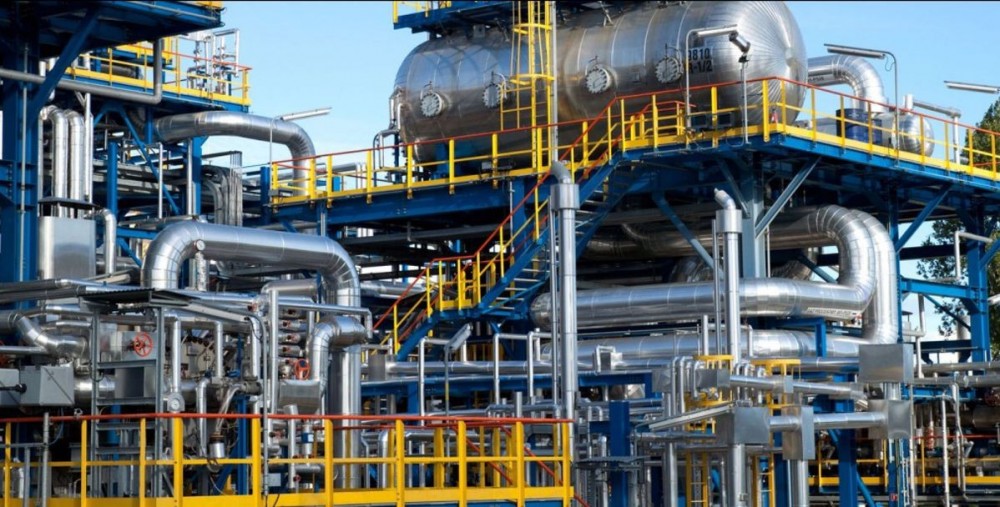
Industrial plants generate enormous heat every second. For decades, much of that heat simply disappeared into exhaust stacks, ambient air, or cooling systems. Today, that approach feels as outdated as fax machines in a TikTok world.
Modern heat recovery systems capture heat that would otherwise be wasted and redirect it into useful processes. This can include preheating incoming air, warming process fluids, or supporting secondary operations. Facilities using waste heat recovery systems are essentially running a circular energy economy inside their walls—less waste, more output, and better cost control.
Beyond savings, this shift is about resilience. Energy price volatility is a reality, and facilities that reuse internal heat gain operational stability. Instead of reacting to utility costs, they design around them.
Waste Heat: The Most Loyal Employee You’re Ignoring

Hook: It shows up every shift, never asks for vacation, and still gets zero appreciation.
Every combustion process, curing cycle, or high-temperature manufacturing step produces excess thermal energy. Instead of treating it as a nuisance, forward-thinking plants treat it as an asset.
Waste heat recovery systems work by capturing exhaust heat from processes like ovens, oxidizers, and coating lines. That captured heat can then be reused in multiple ways:
-
Preheating combustion air for burners
-
Heating facility water systems
-
Supporting drying or curing processes
-
Feeding absorption chillers for cooling needs
When integrated properly, waste heat recovery systems reduce total energy demand and lower emissions simultaneously. It’s one of the few industrial upgrades that helps finance, sustainability teams, and operations all sleep better.
Thermal Cleaning: Because Dirty Parts Kill Efficiency (and Vibes)

Hook: Residue buildup is like cholesterol for your equipment—ignore it long enough and things stop working.
Thermal cleaning equipment removes organic contaminants like paint, polymers, adhesives, and oils by heating components in controlled environments. Instead of harsh chemicals or manual scraping, heat breaks down residues safely and thoroughly.
Thermal cleaning solutions are especially valuable in industries dealing with coatings, polymers, or composite materials. Regular cleaning ensures consistent airflow, temperature distribution, and part quality.
Benefits include:
-
Longer equipment life
-
Reduced maintenance downtime
-
Consistent product quality
-
Lower chemical disposal costs
When paired with heat recovery systems, thermal cleaning equipment can even operate using recovered energy streams, further improving efficiency.
The Industrial Oven: The Quiet Workhorse That Deserves Better Tech

Hook: Industrial ovens don’t complain—but they do consume massive energy if ignored.
Every industrial oven generates exhaust heat. Traditionally, this heat simply exits through stacks. Modern systems now capture that energy and feed it back into the process.
Optimized ovens combined with waste heat recovery systems can:
-
Reduce burner fuel demand
-
Stabilize internal temperature profiles
-
Improve product consistency
-
Lower operating costs per production cycle
When facilities integrate ovens with plant-wide heat recovery systems, the efficiency gains multiply. Instead of treating each oven as an isolated energy consumer, it becomes part of a connected thermal ecosystem.
Paint Booths: Where Airflow, Energy, and Product Quality Collide
Hook: Paint booths are basically controlled weather systems—and weather is expensive to maintain.
A paint booth must control airflow, temperature, and contamination simultaneously. Heating incoming air to precise conditions requires substantial energy input.
By integrating waste heat recovery systems, facilities can reuse exhaust heat to precondition incoming air. This reduces burner demand and stabilizes booth performance.
Additional benefits include:
-
Faster curing cycles
-
Reduced humidity fluctuations
-
Improved coating finish consistency
-
Lower overall operating cost
Advanced facilities are now designing paint booth airflow systems with heat recovery built in from day one rather than retrofitting later.
Thermal Oxidizers: The Emissions Guardians That Also Hide Energy Gold
Hook: Thermal oxidizers already run hot—why not make them multitask?
A thermal oxidizer destroys volatile organic compounds using high temperatures. While essential for environmental compliance, these systems also generate significant heat.
By pairing oxidizers with heat recovery systems, facilities can capture exhaust heat and redirect it into production processes. Many plants now use oxidizer exhaust heat to support ovens, dryers, or facility heating systems.
This transforms compliance equipment into an energy contributor rather than just an operational cost center.
Thermal Cleaning Solutions Meet Circular Energy Thinking
Hook: Imagine cleaning equipment using energy that used to float away into the sky.
Modern thermal cleaning solutions are increasingly designed to integrate with plant heat recovery systems. Instead of requiring standalone energy input, they can operate using recovered heat streams.
This creates a layered efficiency strategy:
-
Production process generates heat
-
Heat gets captured
-
Captured heat supports cleaning and secondary processes
The result is a smarter, more balanced energy ecosystem across the entire facility.
Interactive Section: Real Questions Engineers and Plant Managers Actually Ask
Q: Are heat recovery systems difficult to install in older facilities?
A: Not always. Many waste heat recovery systems are designed specifically for retrofit projects. The key factors are available exhaust temperature, flow rate, and space for heat exchangers.
Q: Do thermal cleaning equipment systems replace chemical cleaning entirely?
A: In many cases, yes. Thermal cleaning solutions often eliminate solvent use for organic residue removal, improving safety and environmental compliance.
Q: Will integrating heat recovery systems disrupt production?
A: Most installations are planned during maintenance shutdowns. Modular system designs have made installation faster and less disruptive than in the past.
Q: Are thermal oxidizers compatible with heat recovery upgrades?
A: Absolutely. Many modern oxidizers are designed with integrated heat recovery systems or can be upgraded with secondary recovery units.
Q: How do I know if my industrial oven is wasting too much heat?
A: Indicators include high exhaust temperatures, high fuel consumption per batch, and inconsistent temperature zones inside the oven.
Q: Is heat recovery only about saving money?
A: No. It also supports sustainability goals, regulatory compliance, and long-term operational stability.
The Future: Smart Factories Don’t Just Produce—They Recycle Energy Internally
Hook: The smartest factories of 2030 won’t just track data—they’ll track every degree of heat.
The next generation of industrial facilities will integrate heat recovery systems at the design stage, not as afterthoughts. Digital monitoring, predictive maintenance, and real-time energy balancing will make waste heat recovery systems even more powerful.
Thermal cleaning equipment will continue evolving toward lower emissions and higher automation. Industrial oven designs will increasingly include built-in recovery channels. Paint booth airflow will become more energy self-sufficient. Thermal oxidizer systems will double as plant-wide heat contributors.
The direction is clear: industrial operations are moving toward closed-loop thermal ecosystems.
The Bottom Line (Without Sounding Like a Corporate Poster)

Hook: If heat is leaving your building unused, your budget probably is too.
Modern industrial facilities are no longer satisfied with single-use energy flows. Heat recovery systems and waste heat recovery systems transform unavoidable thermal byproducts into usable energy streams. Thermal cleaning equipment and thermal cleaning solutions improve maintenance efficiency while aligning with sustainability goals. Industrial oven, paint booth, and thermal oxidizer systems are no longer isolated assets—they are interconnected energy players.
The facilities that thrive over the next decade won’t just be productive. They’ll be thermally intelligent.
And honestly, your factory probably deserves that upgrade.





