
Many homeowners feel stressed when they hear the word asbestos. However, understanding the real process behind an abatement project can remove fear and replace it with clarity. At YYC Asbestos Removal and Renovation, every project follows strict procedures designed to protect your home and your family.
If you have never gone through asbestos removal before, you might imagine a chaotic demolition. In reality, a professional project is organized, controlled, and carefully documented from start to finish. When handled correctly, asbestos abatement is a structured safety operation rather than a destructive construction process.

Step One: Inspection, Testing, and Clear Planning
Before any material is touched, a proper assessment takes place. Therefore, the first stage focuses on identifying where asbestos is located and how much of it is present. In many Calgary homes built before the 1990s, asbestos can be found in insulation, floor tiles, drywall compounds, and textured ceilings.
Samples are carefully collected and sent to an accredited laboratory for confirmation. Once results are available, a detailed abatement plan is prepared. This plan outlines the scope of work, containment strategy, removal method, and disposal procedures.
Homeowners often ask whether they need to move out during this stage. In some cases, partial relocation is recommended. However, it depends on the size of the affected area and the type of material involved.
If you are unsure whether your property requires professional intervention, you can review full service details through YYC Asbestos Removal and Renovation to understand how assessments are handled in Calgary homes.
Step Two: Site Preparation and Containment Setup
Once the plan is approved, preparation begins. Consequently, this is one of the most critical parts of the entire project. The work area is sealed using heavy-duty polyethylene barriers to prevent fibers from spreading to other parts of the home.

Negative air pressure machines are installed to control airflow. These machines pull air inward, ensuring that contaminated particles do not escape into clean areas. In addition, warning signs are posted to restrict access to authorized personnel only.
Furniture, HVAC vents, and flooring outside the work zone are protected. This controlled environment is not just a precaution; it is a mandatory safety requirement under provincial regulations.
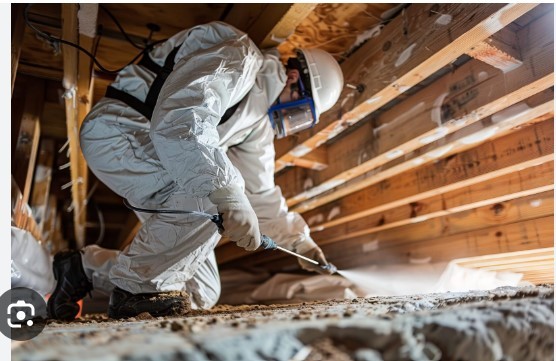
During this stage, technicians wear full protective equipment. Respirators, disposable coveralls, gloves, and sealed footwear are used at all times inside the containment area. Most importantly, this protective gear ensures both worker safety and environmental protection.
Step Three: Careful Removal of Asbestos Materials
The actual removal process is precise and methodical. Therefore, asbestos materials are never ripped out aggressively. Instead, they are carefully wetted to reduce airborne fiber release before being removed in controlled sections.
Specialized tools are used to minimize disturbance. Materials are placed directly into sealed, labeled disposal bags that meet hazardous waste standards. Each bag is securely closed before leaving the containment zone.
Throughout the removal process, air monitoring may be conducted to ensure fiber levels remain within acceptable limits. However, this depends on the size and complexity of the project.
At YYC Asbestos Removal and Renovation, every technician follows strict handling procedures aligned with Alberta safety guidelines. This structured approach ensures that contamination risks remain extremely low.
Step Four: Decontamination and Safe Disposal
Once all identified asbestos materials are removed, the work area undergoes thorough cleaning. In other words, removal alone is not enough. Surfaces are carefully wiped and vacuumed using HEPA-filtered equipment designed specifically for hazardous particles.
Workers pass through a decontamination chamber before exiting the site. This system prevents fibers from being carried outside the containment area. Disposable protective gear is treated as contaminated waste and disposed of accordingly.
All asbestos waste is transported to an approved hazardous waste facility. Consequently, disposal is tracked and documented to ensure full regulatory compliance.
In some cases, asbestos exposure may be discovered after storm-related structural damage. When that happens, remediation may be coordinated alongside services such as hail damage restoration Calgary to address both structural and hazardous material concerns within the same recovery plan.
Step Five: Final Inspection and Air Clearance Testing
After cleaning is complete, a final inspection is conducted. Therefore, the containment area is not dismantled immediately. Instead, air clearance testing is performed to confirm that airborne fiber levels meet safety standards.
Independent third-party testers may collect air samples to verify results. Only once clearance is confirmed is the containment removed and the space reopened.
This verification stage provides homeowners with peace of mind. It confirms that the affected area has been restored to a safe condition and is ready for renovation or rebuilding.
Following successful clearance, reconstruction or renovation work can begin. In many cases, abatement is part of a larger remodeling or restoration project. Consequently, coordination between remediation and renovation teams helps maintain timelines and avoid delays.
What Homeowners Should Expect During the Project
An asbestos abatement project is not loud or chaotic like a standard demolition job. However, it is highly controlled and structured. You may notice equipment noise from air filtration units, but heavy construction sounds are typically limited.
Communication is ongoing throughout the process. Homeowners receive updates about timelines, progress, and safety measures. Most importantly, every step is documented to ensure transparency.
The duration of a project varies depending on the size of the contaminated area. Small-scale removals may take a day or two. Larger, multi-room abatement projects can require several days.
Although the process may feel overwhelming at first, understanding each phase makes it much easier to manage. Professional asbestos abatement is about control, protection, and careful execution from start to finish.
Frequently Asked Questions
1. Do I have to leave my home during asbestos abatement?
It depends on the scope of work. Small, isolated areas may allow partial occupancy, but larger projects often require temporary relocation for safety.
2. How long does an asbestos abatement project usually take?
Project length varies based on the size and complexity. Minor removals may take one to two days, while larger projects can last several days.
3. Is asbestos abatement dangerous?
When handled by trained professionals using proper containment and protective equipment, the process is controlled and designed to minimize risk.
4. How do I know if my Calgary home contains asbestos?
Homes built before the 1990s are more likely to contain asbestos materials. Testing by qualified professionals is the only reliable way to confirm its presence.
5. What happens after asbestos removal is complete?
After removal and cleaning, air clearance testing is performed. Once results confirm safe levels, containment is removed and renovation can begin safely.
You can read more about our services here: Alberta Business Beat, Your Local Biz, Post Of The Day, Canada Biz Portal, The Canada Best, Calgary Best, The Daily Local.





