

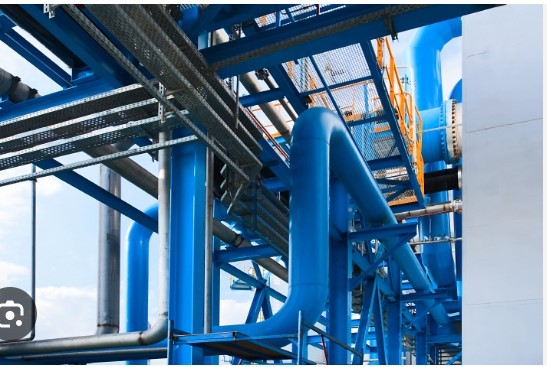
Industrial facilities across Canada are under constant pressure to increase efficiency, reduce costs, and maintain strict quality standards. In many cases, the biggest improvements do not come from visible upgrades on the production floor. Instead, they begin behind the scenes with smarter utility systems. One of the most impactful advancements is the growing use of modern air separation systems.
At Air Compressors Canada, we have seen firsthand how properly designed systems can reshape operations. While they may not attract the same attention as robotics or automation lines, air separation solutions are quietly becoming essential infrastructure in manufacturing, energy, food processing, and healthcare.

Understanding Air Separation Systems in Industrial Settings
Air separation systems work by extracting and purifying specific gases from ambient air, typically nitrogen, oxygen, or compressed dry air for specialized applications. Rather than relying solely on delivered gas cylinders or bulk liquid supplies, facilities can produce the gases they need on-site. This approach offers greater control and flexibility.
Through advanced filtration, membrane technology, or pressure swing adsorption methods, air is separated into its primary components. As a result, manufacturers gain access to high-purity gases without logistical delays. Industries that depend on consistent gas quality, such as food packaging or metal fabrication, benefit greatly from this stability.
At Air Compressors Canada, system design always begins with a detailed assessment of production demand. Facilities vary widely in flow requirements, purity levels, and duty cycles. Therefore, a tailored approach ensures the air separation solution aligns perfectly with operational goals.
Reducing Operational Costs and Energy Waste
One of the most compelling reasons companies are investing in modern air separation systems is cost control. Traditional gas delivery models involve recurring expenses, transportation fees, and storage infrastructure. Over time, these costs can add up significantly.
By generating gases on-site, facilities reduce dependency on external suppliers. Consequently, they gain predictable operating expenses and eliminate supply chain disruptions. Energy-efficient system design also plays a major role. When properly integrated with compressed air infrastructure, separation units operate with optimized load management.

Companies that explore solutions through Air Compressors Canada often discover that improved system integration lowers overall energy consumption. For example, optimized pressure settings and intelligent controls prevent overproduction and reduce waste. In the long term, these refinements translate into measurable savings and improved sustainability performance.
Enhancing Product Quality and Consistency
Production quality depends heavily on environmental control. In sectors such as pharmaceuticals, food processing, electronics, and automotive manufacturing, gas purity and stability are critical. Even minor fluctuations can compromise product integrity.
Air separation systems provide a consistent supply of purified gas directly at the point of use. This reduces contamination risks and maintains steady process conditions. For instance, nitrogen generated on-site for food packaging ensures freshness and extends shelf life. Similarly, oxygen systems in medical or industrial environments support precise application standards.
Because these systems operate continuously, they eliminate the variability associated with switching gas cylinders or waiting for deliveries. Facilities maintain uninterrupted workflows. As a result, productivity increases while defect rates decline.
Supporting Automation and Smart Manufacturing
Modern production environments rely on automation and digital monitoring. Air separation systems are increasingly integrated with smart control platforms, allowing real-time tracking of pressure, purity, and consumption levels. This level of visibility helps managers make informed decisions.
With data-driven control, operators can adjust output based on demand fluctuations. During lower production periods, system output scales down automatically. Conversely, when demand rises, capacity increases smoothly without delays.
At Air Compressors Canada, advanced air sep systems are engineered to align with Industry 4.0 standards. Integration with master controllers enhances coordination between compressors, dryers, and separation units. Therefore, the entire compressed air ecosystem operates as one efficient network rather than isolated components.
Improving Safety and Environmental Performance
Safety is a central priority in industrial operations. Transporting and storing high-pressure gas cylinders introduces certain risks. On-site generation significantly reduces these hazards by minimizing manual handling and eliminating bulk storage in many applications.
Furthermore, local gas production lowers the carbon footprint associated with transportation and delivery logistics. Fewer truck deliveries mean reduced emissions and less traffic on industrial sites. Companies striving to meet sustainability targets benefit from this operational shift.
Air separation systems also contribute to safer process environments. Consistent gas quality supports stable reactions and controlled atmospheres. Consequently, the likelihood of process deviations decreases.
When properly designed, systems include built-in safety redundancies and monitoring features. At Air Compressors Canada, engineering standards emphasize reliability and compliance with Canadian regulations. This structured approach ensures that performance improvements never compromise safety.
Increasing Flexibility Across Industries
Air separation technology is not limited to one specific sector. Instead, its applications span multiple industries. Manufacturing plants use nitrogen for blanketing and purging. Food producers rely on controlled atmospheres for packaging. Energy facilities utilize oxygen enrichment for combustion efficiency. Laboratories and healthcare institutions require dependable gas supplies for critical operations.
The flexibility of these systems allows them to scale with business growth. As production expands, additional modules or upgraded components can be integrated without redesigning the entire infrastructure. This scalability makes air separation systems a forward-looking investment.
Companies that adopt this technology often experience smoother expansion phases. Rather than renegotiating supplier contracts or redesigning storage areas, they simply adjust their on-site production capacity. This adaptability strengthens long-term operational resilience.
Why the Transformation Is “Quiet”
Unlike visible machinery on a production line, air separation systems operate in mechanical rooms or utility areas. Their impact is not immediately obvious to visitors walking through a facility. However, their influence is felt in every stage of production.
When energy costs decrease, downtime reduces, and product quality stabilizes, the improvement often traces back to infrastructure upgrades. In other words, these systems quietly power transformation without drawing attention to themselves.
At Air Compressors Canada, the focus is on building reliable, efficient systems that support industrial growth for years to come. While the equipment may remain out of sight, its role in modern production is increasingly impossible to ignore.
Frequently Asked Questions
1. What industries benefit most from air separation systems?
Manufacturing, food processing, pharmaceuticals, healthcare, energy production, and electronics industries commonly benefit. Any facility requiring a consistent supply of nitrogen or oxygen can improve efficiency with on-site generation.
2. Are air separation systems energy efficient?
Yes. When properly integrated with compressed air systems, they operate efficiently and reduce overall energy waste. Intelligent controls help match output to real-time demand.
3. How do air separation systems reduce costs?
They eliminate recurring gas delivery expenses, reduce transportation fees, and lower storage requirements. Over time, these savings can significantly improve operational budgets.
4. Is on-site gas generation safe?
Modern systems are designed with advanced monitoring and safety controls. By reducing reliance on high-pressure cylinder storage, they often enhance overall facility safety.
5. Can these systems be expanded as production grows?
Yes. Many air separation systems are modular, allowing capacity increases without complete system replacement. This scalability supports long-term industrial growth.
You can read more about our services here: Alberta Business Beat, Your Local Biz, Post Of The Day, Canada Biz Portal, The Canada Best, Calgary Best, The Daily Local.





