

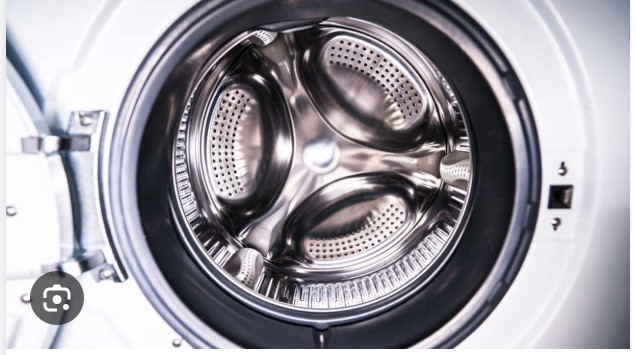
When choosing a washing machine, most homeowners focus on price and features. However, long term reliability often becomes the real deciding factor. At Repair Appliances Company, we repair both front load and top load units every week, and clear patterns appear over time. Some machines develop small mechanical faults, while others suffer more complex internal failures. Understanding what breaks more often helps you make smarter repair and replacement decisions. If your washer is already showing warning signs, professional washer repair in Edmonton can stop early damage from becoming a major breakdown.
Front Load Washer Problems We See Most
Front load washers are designed for efficiency and high speed spinning. Because they rotate faster than traditional models, internal parts experience greater stress. One of the most common failures is drum bearing wear. When bearings begin to fail, homeowners notice loud grinding or rumbling during spin cycles. If ignored, this can damage the drum shaft and increase repair costs significantly.

Door gasket problems are also very common. The rubber seal around the door traps moisture after every wash. Over time, mold builds up or the rubber tears, causing leaks and unpleasant smells. This issue rarely appears in top load units because their design allows better air circulation.
Electronic control boards are another weak point. Front load washers rely heavily on sensors and digital systems. Power surges or moisture exposure can cause board failures. When this happens, machines may stop mid cycle or display error codes. These repairs are typically more expensive than simple mechanical fixes.
Drain pump blockages also occur frequently. Small objects like coins or fabric fibers get trapped inside the pump filter. When water cannot drain properly, extra pressure builds inside the system. Addressing these issues early prevents motor strain and further internal damage.
Top Load Washer Issues That Happen Often
Top load washers have a simpler structure. Because of that, they usually avoid complex electronic failures. However, they develop different types of wear over time. Agitator problems are among the most common. Worn agitator dogs or couplers reduce washing performance. Clothes may not move properly, leading to poor cleaning results.
Suspension systems in top load machines also fail regularly. When rods or springs weaken, the washer shakes aggressively during spin cycles. Consequently, repeated vibration can loosen internal components and damage the cabinet frame.

Lid switch assemblies are another frequent repair. If the lid switch stops working, the washer will not spin. This small mechanical part wears out from constant opening and closing. Although inexpensive, it is one of the most common reasons top load washers stop operating.
Older top load models may also experience transmission wear. Over time, internal gears degrade under heavy loads. While modern models improved in design, mechanical drive systems still show signs of strain after years of use.
Which Washer Breaks More Often?
Based on service experience at Repair Appliances Company, top load washers tend to experience more frequent small repairs. In contrast, front load washers suffer fewer incidents overall but develop more serious and costly failures when they do break.
Front load machines contain advanced electronics and sealed drum assemblies. Because of this complexity, repairs often involve higher labor and part costs. Bearing replacement, for example, is more involved than changing a lid switch on a top load unit.
Top load washers are mechanically simpler. However, parts like suspension rods, agitator components, and lid switches wear out more regularly. While these repairs are usually affordable, they may occur more often during the machine’s lifetime.
Usage habits also influence breakdown frequency. Overloading either washer type stresses motors and support systems. Hard water buildup can damage valves and pumps in both designs. Therefore, maintenance practices often matter more than brand or model.
Maintenance Differences Between Both Types
Front load washers require more attention to moisture control. Leaving the door slightly open after each cycle reduces gasket deterioration. Regular cleaning of the drain filter also prevents pump strain.
Top load washers benefit from balanced loading. Uneven loads increase stress on suspension rods and drive systems. Checking hoses periodically prevents sudden leaks and water damage.
If you notice unusual noise, slow draining, or excessive vibration, scheduling service early can reduce repair costs. Repair Appliances Company provides full diagnostics to determine whether the issue is mechanical, electrical, or structural. Early action prevents additional component failure.
Repair Costs and Long Term Reliability
Front load washer repairs typically cost more per incident. Control boards, bearings, and sealed assemblies require more labor and specialized parts. As a result, one major repair can equal the cost of several minor top load fixes.
Top load washers usually have lower repair costs each time something fails. However, smaller components may need replacement more frequently. Choosing between them often depends on whether you prefer advanced efficiency or mechanical simplicity.
For complete washer diagnostics and service support, homeowners can visit Repair Appliances Company to evaluate the condition of their appliance before deciding on repair or replacement.
What Should You Choose?
There is no single answer that fits every household. Families who value water efficiency and quieter operation may prefer front load washers despite higher repair risks. Those who want easier maintenance and simpler mechanics often feel more comfortable with top load models.
Proper care significantly extends the lifespan of both designs. Avoid overloading, clean filters regularly, and respond quickly to unusual sounds or leaks. Small warning signs often appear before major failure occurs.
Understanding common breakdown patterns helps you plan ahead. Whether you own a front load or top load washer, informed maintenance decisions reduce stress, repair costs, and unexpected downtime.
FAQs
1. Are front load washers more expensive to repair?
Yes, front load washers typically cost more to repair because of complex electronics and high speed bearing systems.
2. Do top load washers break more often?
Top load washers often require more frequent small part replacements, but those repairs are usually less expensive.
3. What is the most common front load washer failure?
Drum bearing wear and door gasket damage are among the most common front load washer problems.
4. Why does my top load washer shake during spin?
Shaking usually indicates worn suspension rods or an unbalanced load inside the drum.
5. How can I extend the life of my washer?
Avoid overloading, clean filters, leave front load doors open to dry, and schedule professional service when early warning signs appear.
You can read more about our services here: Alberta Business Beat, Your Local Biz, Post Of The Day, Canada Biz Portal, The Canada Best, Calgary Best, The Daily Local.





