
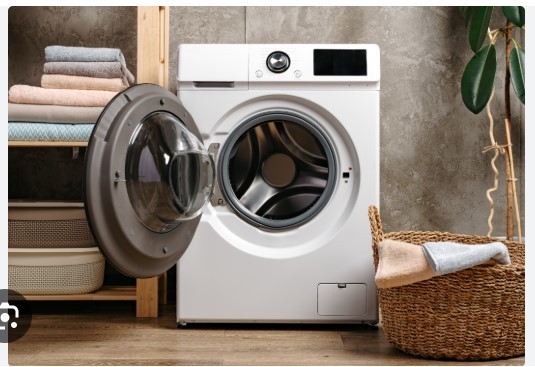
A washing machine that won’t drain can quickly turn laundry day into a stressful situation. Water sits in the drum, clothes stay soaked, and the cycle refuses to finish. At Jay Appliances, we often see this issue in Leduc homes, especially when small warning signs are ignored for too long.
Understanding why your washer stops draining helps you act early. In many cases, the problem starts small but grows worse over time. Below, we explain the most common causes and when it makes sense to call a professional.

Clogged Drain Pump Filter
One of the most common reasons a washer won’t drain is a clogged pump filter. Coins, hair ties, lint, and small clothing items often slip past the drum and collect inside the filter. As a result, water cannot pass through properly during the drain cycle.
You may notice a humming sound without water leaving the machine. In other words, the pump is trying to work but something is blocking it. Cleaning the filter can sometimes solve the issue, however, if debris has reached deeper into the system, the pump itself may need inspection.
If your washer still holds water after cleaning the filter, it may be time to schedule professional help. Our team handles full diagnostics through our main appliance repair Leduc service to identify the exact cause before replacing parts.
Blocked or Kinked Drain Hose
Another frequent issue in Leduc homes is a blocked or bent drain hose. The hose carries wastewater from the washer to the household plumbing system. Therefore, even a small kink can restrict water flow and stop the draining process completely.
Sometimes the hose becomes clogged with lint buildup or soap residue. For example, heavy detergent use over time can create internal narrowing inside the hose. When this happens, the washer cannot empty fast enough, and error codes may appear.

Pulling the machine away from the wall and checking for visible kinks can help. However, internal clogs are harder to see. If you suspect a deeper blockage, Jay Appliances can inspect both the hose and internal pump lines to prevent repeat problems.
Faulty Drain Pump
The drain pump plays a critical role in removing water from the drum. Consequently, if the pump motor burns out or becomes jammed, water will remain inside after each cycle.
You may hear grinding noises, unusual vibrations, or complete silence when the washer reaches the drain phase. These are signs that the pump is either damaged or electrically faulty. In some cases, the pump impeller breaks, which stops water from moving efficiently.
Because pump replacement requires safe disassembly and proper wiring checks, it is not usually a simple DIY fix. Through our dedicated washer repair Leduc service, we test the motor, electrical connections, and control signals before installing a new component.
Lid Switch or Door Lock Problems
Modern washing machines will not drain or spin unless the lid switch or door lock signals that the machine is securely closed. This safety feature prevents water from spilling during high-speed spinning. However, when the switch fails, the washer may stop mid-cycle.
You might notice that the machine fills and agitates but refuses to spin or drain. In that case, the issue may not be plumbing related at all. Instead, the control board does not receive confirmation that the door is locked.
Testing the switch requires checking electrical continuity. As a result, accurate diagnosis is important before replacing parts unnecessarily. Jay Appliances ensures that only the failed component is repaired, saving homeowners both time and expense.
Control Board or Timer Failure
Sometimes the problem goes beyond mechanical parts. The control board or timer regulates each stage of the wash cycle. Therefore, if the electronic control system malfunctions, the washer may never enter the drain phase.
You may see flashing lights, unusual pauses, or cycles that restart randomly. In other words, the machine behaves unpredictably. Electrical surges, moisture exposure, or simple wear over time can damage internal circuits.
Because electronic boards are more expensive than hoses or filters, correct testing is essential. Our technicians evaluate the wiring, sensors, and software signals before recommending replacement. This careful approach prevents unnecessary costs for Leduc homeowners.
Overloading the Washer
Overloading is a surprisingly common cause of draining issues. When too many clothes are packed into the drum, the washer struggles to spin effectively. Consequently, water does not extract properly and may remain pooled at the bottom.
Heavy items like blankets and towels make this worse. For instance, when they clump together, they create imbalance that stops the spin cycle. Without proper spinning, the drain system cannot remove all water.
Using proper load sizes and balanced distribution helps prevent this issue. If repeated overloading has damaged internal components, Jay Appliances can assess whether the pump or motor has been affected.
Frozen or External Drainage Issues in Winter
Leduc winters can also contribute to drainage problems. If a washer drain hose runs along an exterior wall or through an unheated space, freezing temperatures may restrict water flow. As a result, the machine cannot discharge properly.
Homeowners may assume the washer is broken, however, the issue may actually be external plumbing. Ice buildup in connected pipes can create temporary blockages.
During colder months, proper insulation and pipe protection reduce this risk. If you are unsure whether the issue is inside the appliance or in the plumbing system, professional inspection helps prevent further damage.
When to Call for Professional Help
If your washer repeatedly fails to drain, makes unusual noises, or displays error codes, it is best not to delay service. Small drainage issues can lead to motor damage, water leaks, or even mold growth if left untreated.
At Jay Appliances, we focus on clear diagnosis and long-term solutions. Instead of guessing, we test each component carefully to restore reliable performance in your Leduc home.
Laundry should be simple and stress free. When drainage problems appear, addressing them early protects both your appliance and your household routine.
FAQs
1. Why is my washing machine full of water after the cycle ends?
This usually happens due to a clogged filter, blocked hose, or faulty drain pump. In some cases, electrical issues prevent the machine from entering the drain phase.
2. Can I fix a washer that won’t drain myself?
You can check for visible hose kinks and clean the pump filter. However, electrical testing and pump replacement are best handled by professionals.
3. How do I know if my drain pump is broken?
Grinding noises, humming without draining, or complete silence during the drain cycle are common signs of a failed pump.
4. Does overloading really stop a washer from draining?
Yes. Overloading prevents proper spinning, which means water cannot extract fully before the drain cycle completes.
5. Is it safe to run the washer again if it didn’t drain?
It is not recommended. Running another cycle without resolving the issue may strain the motor or cause overflow problems.
You can read more about our services here: Alberta Business Beat, Your Local Biz, Post Of The Day, Canada Biz Portal, The Canada Best, Calgary Best, The Daily Local.





