

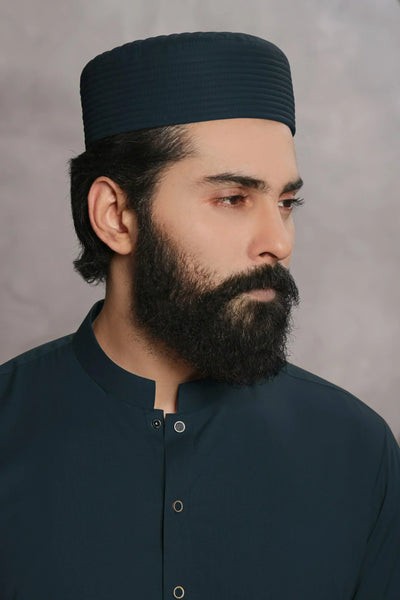
Some pieces of clothing are more than just fabric they carry meaning, memory, and identity. The prayer cap, often known as a topi, is one of those timeless items. Small in size yet deep in significance, it represents humility, devotion, and a connection to faith that spans generations.
For many Muslim men around the world, wearing a prayer cap is part of their spiritual routine. It’s not about fashion trends or brand labels it’s about respect and tradition. Whether stepping into a mosque for daily prayers, attending Jummah, or celebrating Eid with family, the prayer cap completes the feeling of being spiritually prepared.
A Tradition Passed Through Generations
The beauty of the prayer cap lies in its simplicity. Fathers pass it down to sons. Grandfathers keep their favorite caps neatly folded beside their prayer mats. Young boys often feel a sense of pride wearing their first cap to the mosque.

In many households, the prayer cap is not just an accessory; it’s a symbol of upbringing and values. It reminds people of childhood memories walking hand in hand with elders to offer prayers, learning respect, and understanding the importance of modesty.
This emotional connection is what keeps the tradition alive.
Styles That Reflect Culture
Although the purpose remains the same, prayer caps come in various styles depending on culture and region. Some are plain white and simple, while others feature delicate embroidery, geometric patterns, or soft textured fabrics.
In South Asia, lightweight cotton caps are common due to warm weather. In Middle Eastern regions, you might see slightly structured caps with detailed stitching. Some prefer minimal designs for daily wear, while others choose embroidered versions for special occasions like Eid or weddings.
Despite these variations, the message remains consistent humility and devotion.

Comfort and Practicality
Prayer cap are designed with comfort in mind. Made from breathable fabrics like cotton, knit, or soft blends, they allow airflow and feel light on the head. Since they are worn during prayer, comfort is essential.
Their compact size makes them easy to carry. Many people keep one in their pocket, car, or office drawer, ready for prayer time. This practicality makes them a daily essential rather than an occasional item.
More Than Just a Religious Item
While the prayer cap is deeply rooted in religious practice, it has also become part of cultural identity. In many communities, wearing a cap in public reflects confidence in one’s beliefs. It’s a quiet yet powerful expression of faith.
For some, it’s worn only during prayers. For others, it becomes part of everyday attire. Regardless of how often it’s worn, the intention behind it holds the true value.
It teaches humility.
It encourages discipline.
It represents respect.
A Meaningful Gift
Prayer caps are often gifted during Ramadan or before Eid. Giving someone a prayer cap carries a thoughtful message a reminder of faith and togetherness. It’s a small but meaningful gesture that holds emotional value far beyond its material worth.
During special gatherings, seeing rows of men wearing clean, neatly fitted prayer caps creates a sense of unity. It’s a powerful visual reminder that faith connects people beyond language, culture, or background.
The Timeless Appeal
In a world where fashion changes rapidly, the prayer cap remains constant. It doesn’t need to follow trends because its purpose goes beyond style. Its elegance lies in its modesty.
Simple. Respectful. Meaningful.
Whether plain white or beautifully embroidered, the prayer cap continues to be a cherished part of Islamic tradition. It may be small in size, but its significance is immense resting gently on the head, yet carrying generations of faith and identity within its threads.





