
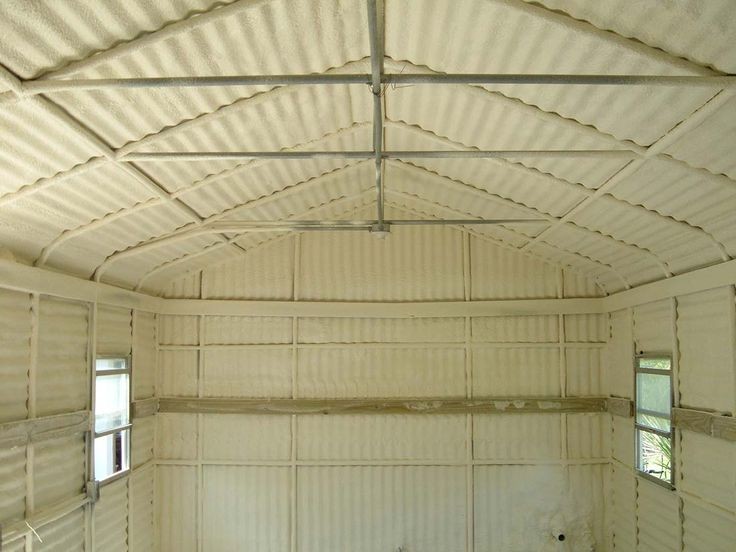
New farming regulations emphasize tighter environmental controls, making Agricultural Insulation essential for modern farm operations. Proper insulation stabilizes indoor temperatures, controls humidity, and prevents heat or cold loss, which is critical for livestock health and crop storage.
Farmers adopting advanced insulation methods benefit from improved energy efficiency, reduced operating costs, and compliance with stricter environmental standards. Certified Agricultural Insulation experts ensure that materials are selected and installed to meet both performance and regulatory requirements.
Professional Agricultural Insulation services provide solutions that balance thermal efficiency with moisture and sound control, helping farms maintain optimal conditions year-round. Choosing the right insulation type and thickness is key to supporting the specific needs of livestock, produce, and storage facilities.

How Agricultural Insulation Supports Farming Standards
Insulation is no longer just about energy savings. Modern standards require farms to maintain controlled climates for animal welfare, crop preservation, and sustainable operations.
Key Benefits
- Stabilizes indoor temperatures to protect livestock and crops.
- Reduces energy costs through efficient heating and cooling.
- Limits moisture buildup, preventing mold and structural damage.
- Supports compliance with environmental and animal welfare regulations.
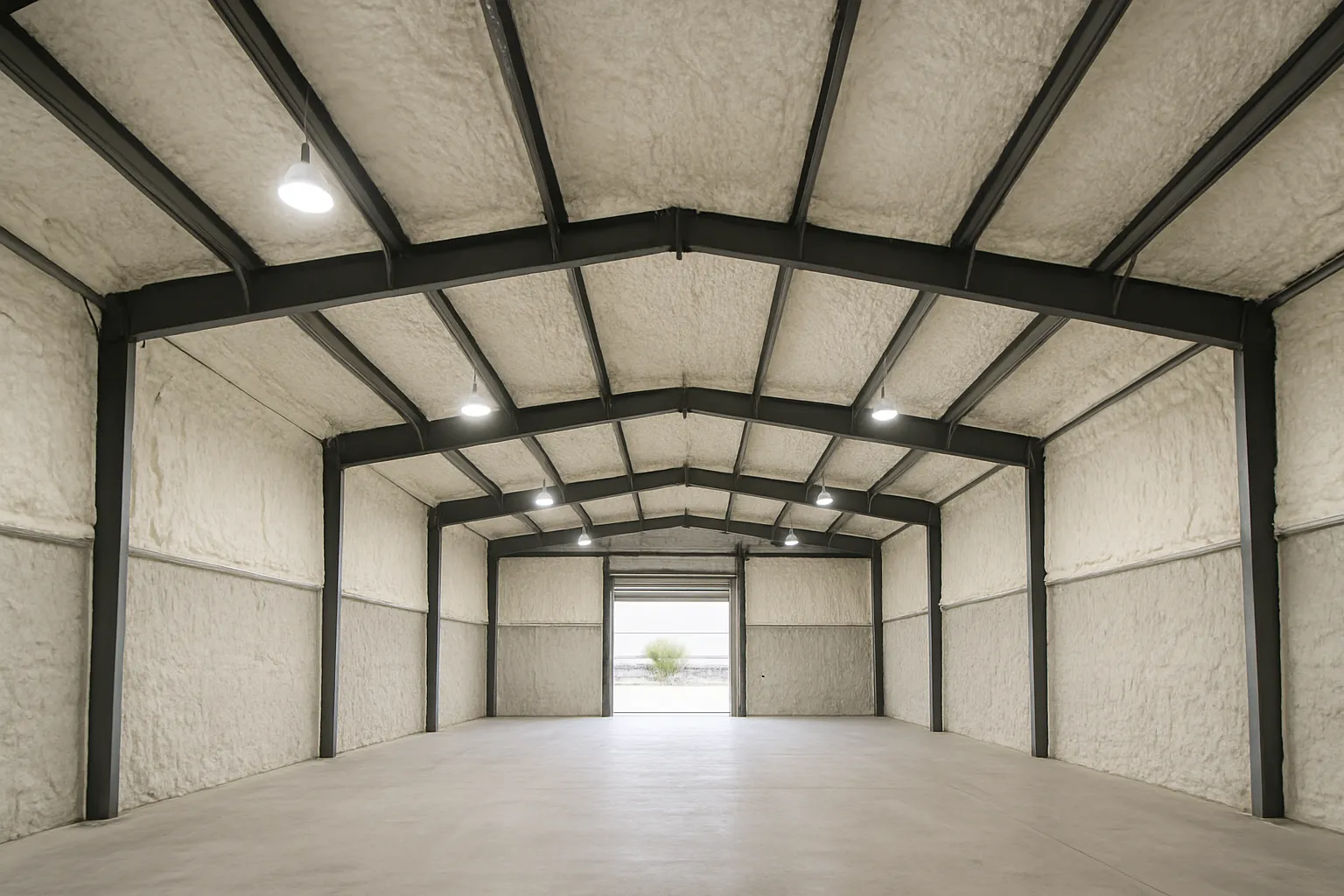
Material Selection for Farms
- Spray foam – Fills irregular spaces, provides thermal and moisture barriers.
- Rigid foam panels – Durable, easy to clean, ideal for storage areas.
- Mineral wool – Dense, fire-resistant, excellent for barns and machinery areas.
Comparison of Agricultural Insulation Types
|
Insulation Type |
Thermal Performance |
Moisture Resistance |
Ideal Application 
|
|---|---|---|---|
|
Spray Foam |
High |
High |
Livestock barns, cold storage |
|
Rigid Foam Panels |
Medium-High |
Medium-High |
Storage rooms, equipment areas |
|
Mineral Wool |
Medium |
High |
Machinery rooms, barns |
Bonus Tips
- Use thicker insulation in areas housing sensitive livestock.
- Install vapor barriers where humidity is a concern to avoid condensation.
Things to Consider Before Making a Decision
Farm operators should assess multiple factors when upgrading insulation to comply with new standards.
- Climate conditions – Cold winters and hot summers influence material choice.
- Facility type – Storage barns, livestock facilities, and greenhouses have different requirements.
- Airflow and ventilation – Proper ventilation works with insulation to maintain a stable environment.
- Installation expertise – Certified Agricultural Insulation experts ensure thorough coverage and compliance.
Bonus Tips
- Combine insulation with energy-efficient doors and windows to maximize performance.
- Evaluate maintenance needs, especially in barns with livestock exposure.
Regional Considerations for Farms in Montana
Montana farms face extreme seasonal temperatures and humidity shifts. Agricultural Insulation services must address these conditions to maintain compliance and protect farm assets.
- Spray foam provides superior sealing against cold winter winds.
- Rigid panels help maintain stable temperatures in produce storage facilities.
- Proper insulation minimizes energy consumption, reducing operational costs during harsh seasons.
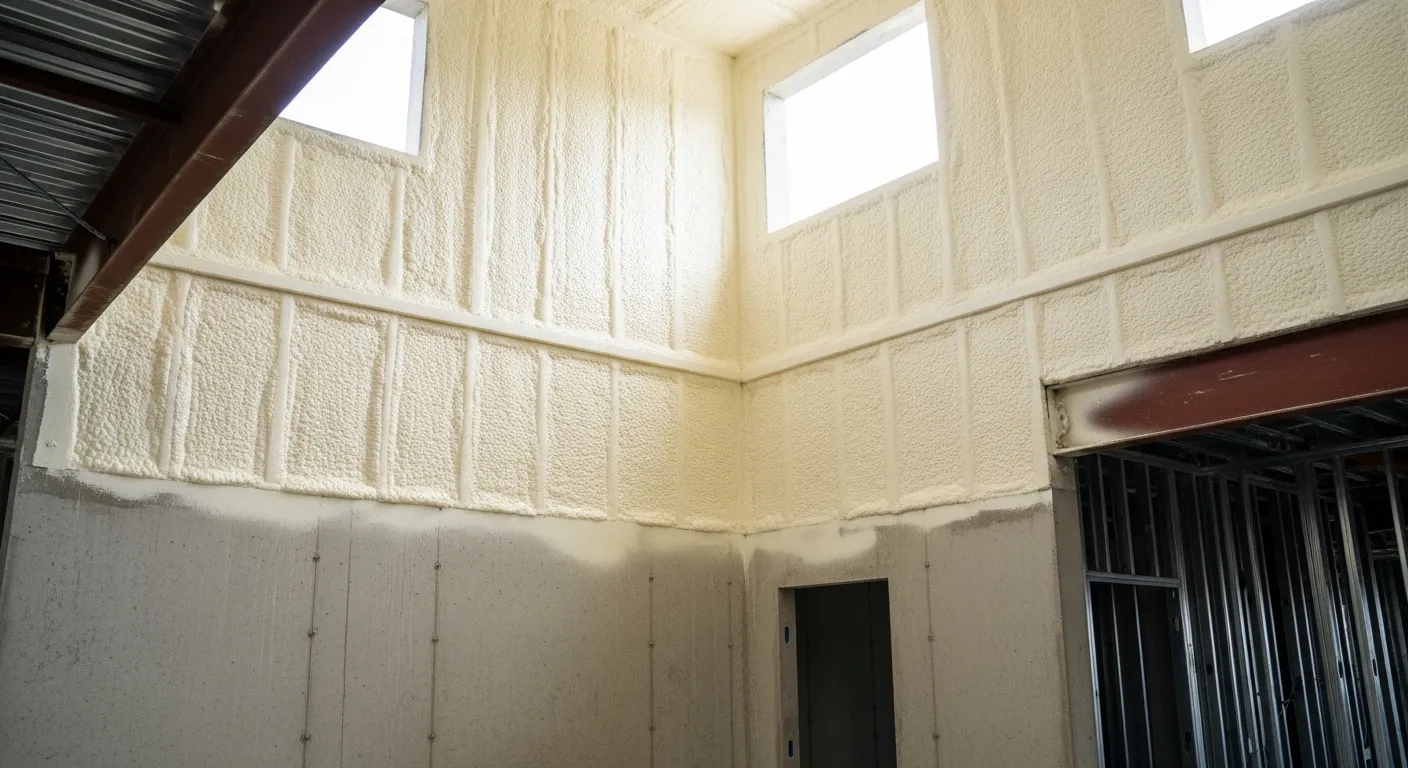
Installation and Maintenance Guidelines
Correct installation and ongoing maintenance ensure that insulation meets new farming standards over time.
- Inspect insulation for compression, gaps, or moisture damage regularly.
- Replace or add insulation in areas exposed to high humidity or livestock activity.
- Maintain clean surfaces to prevent contamination in storage and livestock areas.
Key Takeaways on Agricultural Insulation
Meeting new farming standards requires high-performance Agricultural Insulation. Selecting appropriate materials and working with professional experts ensures compliance, protects livestock and crops, and improves energy efficiency. Evaluating facility type, climate, and ventilation needs is essential for long-term success.
Next Steps for Farmers
Farm operators should consult certified Agricultural Insulation experts to evaluate existing facilities and recommend upgrades. Wegner Insulation provides installation guidance and support for farms seeking to meet new standards. Contact them at anthony@wegnerinsulation.com or (406) 607-8476 to explore solutions.
Questions People Ask About Agricultural Insulation
What is the most effective insulation for barns?
Spray foam and mineral wool offer high thermal performance and moisture resistance, making them ideal for livestock areas.
Can insulation help meet new farming standards?
Yes. Proper insulation supports temperature, humidity, and energy requirements set by modern regulations.
Is retrofitting insulation in older facilities worthwhile?
Absolutely. Upgrading older barns or storage units can improve efficiency and ensure compliance with updated standards.
How do I choose the right insulation thickness?
Material type, climate, and facility function determine thickness. Certified Agricultural Insulation experts provide tailored recommendations.
Does insulation improve energy efficiency in farms?
Yes. It reduces heating and cooling needs, which lowers energy costs and helps meet environmental guidelines.
Author
Author: Richard Hall is a construction professional specializing in spray foam and agricultural insulation. He founded his company in 2022 after completing extensive training and certification.
Reviewer
Reviewer: Alexander Davis, with 11 years of experience in spray foam application, reviewed this article to ensure practical guidance for agricultural and commercial projects.





