
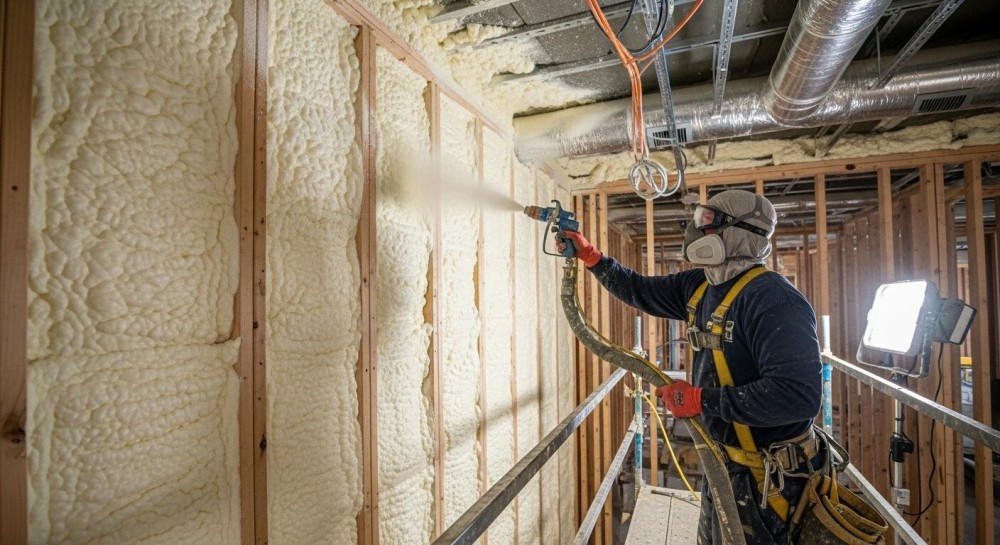
When Spray Foam Insulation is installed correctly, it creates a tight seal that limits air leaks, stabilizes indoor temperatures, and lowers energy waste. The space feels more comfortable, heating and cooling systems run less often, and moisture problems are reduced.
This article explains what proper installation looks like, what results property owners should expect, and why working with trained Spray Foam Insulation experts matters. The information reflects hands-on industry experience and practical field knowledge from teams that complete residential and light commercial projects every week.
Professionals with years in the field understand that success depends on planning, preparation, and careful application. When done right, the difference is noticeable within days.

How Proper Installation Changes a Building
Correct installation affects more than temperature. It changes how the entire building performs.
A well-sealed structure feels steady year-round. Drafts fade. Rooms that were once hard to heat or cool become usable again.
Air Sealing That Works
Air leaks waste energy and make indoor spaces uncomfortable. Proper Spray Foam Insulation services close gaps around:
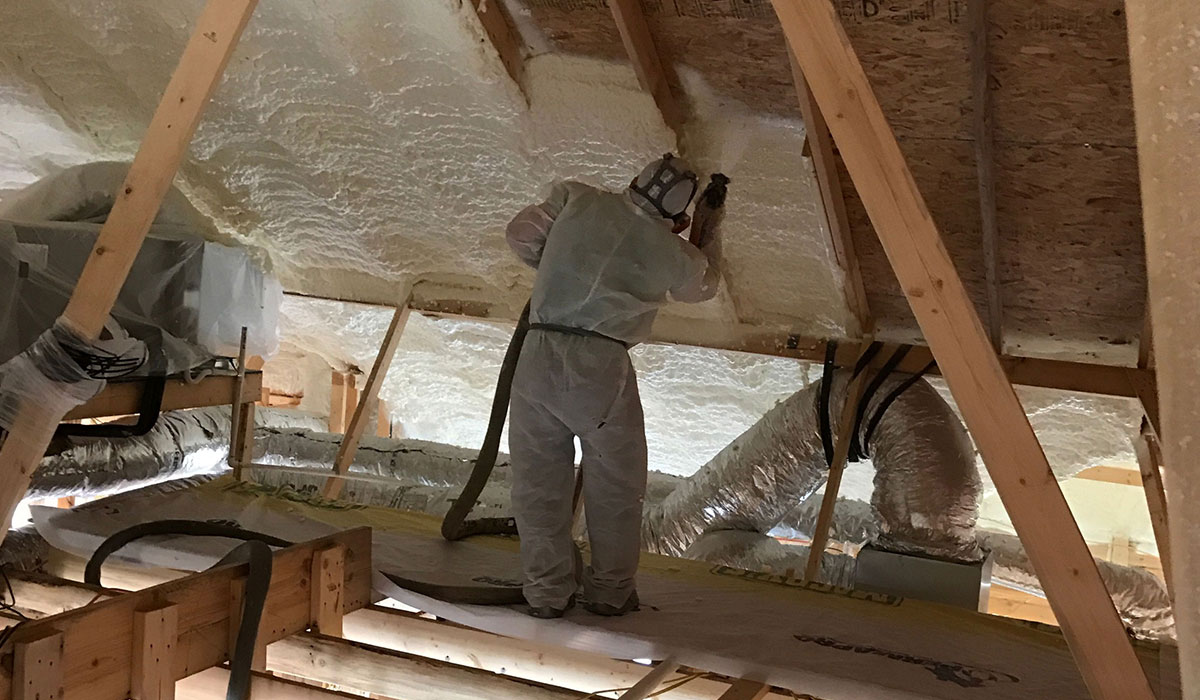
- Attic rafters and roof decks, where warm air often escapes
- Crawl spaces where outside air enters through vents and cracks
- Wall cavities that allow drafts near outlets and baseboards
When installers apply foam evenly and at the right thickness, it expands into gaps and forms a continuous barrier.
What This Means for Homeowners
Fewer drafts lead to consistent room temperatures. Heating and cooling systems cycle less often. Over time, this reduces strain on equipment and may extend its lifespan.

Better Indoor Comfort
Correctly installed foam creates a stable indoor climate. In humid regions like Maryland’s Eastern Shore, this matters.
In summer, humid air stays outside. In winter, warm air stays inside. The result is:
- Fewer cold spots near windows
- Reduced sticky indoor air during hot months
- Improved comfort in finished basements and bonus rooms
Lower Energy Use Over Time
The U.S. Department of Energy estimates that heating and cooling account for nearly 50 percent of home energy use. Reducing air leaks can cut energy waste by up to 20 percent in many homes.
When applied by a qualified Spray Foam Insulation Contractor, foam often outperforms traditional materials in both sealing and coverage. Many property owners notice lower utility bills within the first season after installation.
What Correct Installation Looks Like
Proper work starts before any foam is applied.
Experienced Spray Foam Insulation experts inspect the building, identify trouble spots, and confirm the right thickness for the climate zone.
Surface Preparation
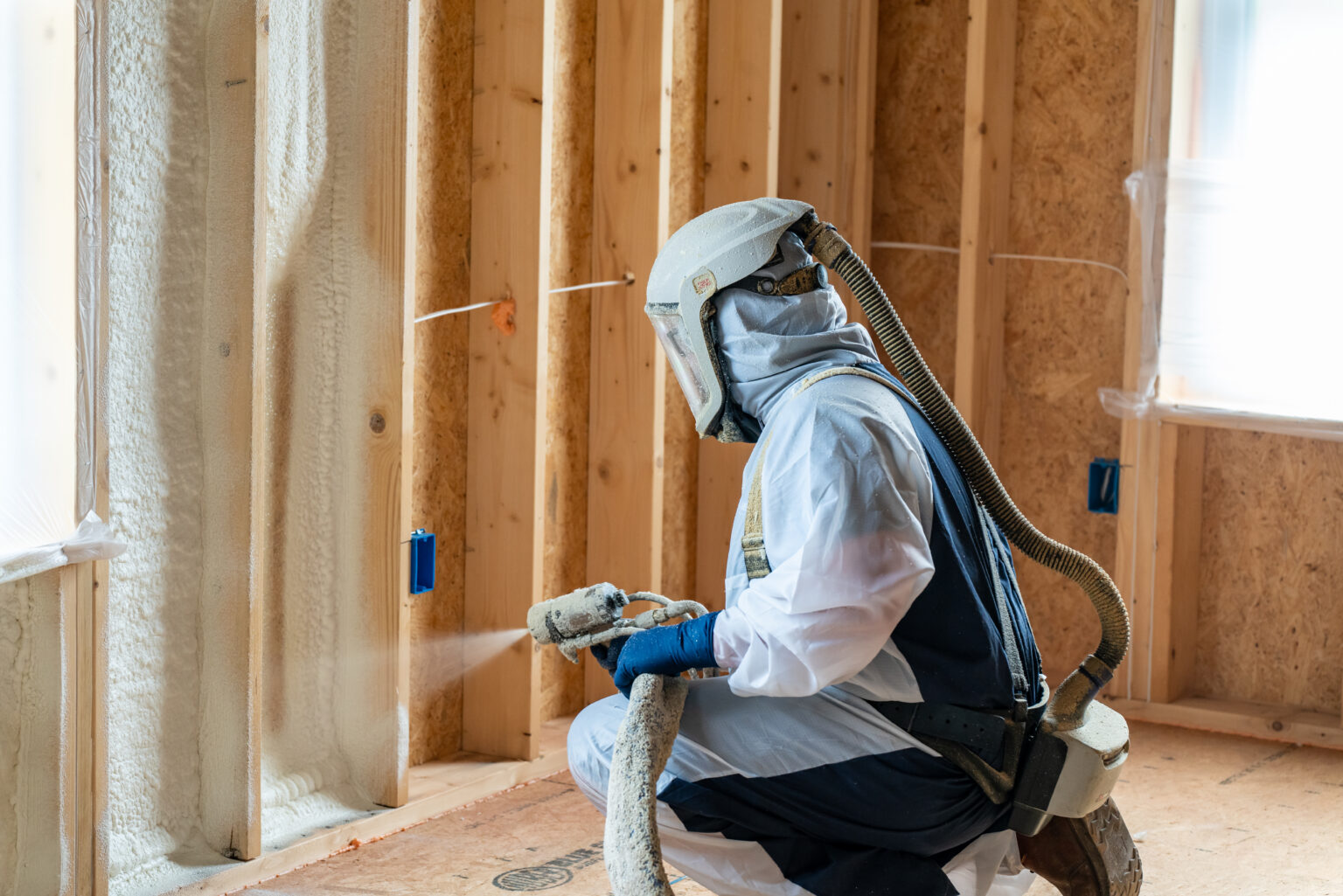
Installers clean and dry surfaces before spraying. Dust, moisture, or debris can prevent foam from bonding well.
They also protect windows, wiring, and fixtures to avoid overspray. Attention to detail at this stage prevents costly cleanup later.
Temperature and Timing
Foam performs best within certain temperature ranges. Skilled crews check site conditions and adjust their approach as needed.
In colder months, they may warm the space before installation. In hot weather, they work in sections to maintain quality.
Even Coverage and Proper Depth
Uniform application is critical. Thin spots reduce performance. Overfilling wastes material and may require trimming.
Professionals measure depth during installation to ensure consistent coverage.
|
Area of Installation |
Typical Goal When Installed Correctly |
Resulting Benefit |
|---|---|---|
|
Attic roof deck |
Full, even coverage along rafters |
Stable upper floor temperatures |
|
Exterior walls |
Complete fill without gaps |
Fewer drafts and noise reduction |
|
Crawl space |
Sealed vents and rim joists |
Lower humidity and improved air quality |
This level of precision separates average work from lasting results.
Long Term Benefits of Correct Installation
When foam is applied correctly, benefits extend beyond immediate comfort.
Moisture Control
Moisture can lead to mold growth, wood damage, and poor indoor air. Properly installed foam reduces the chance of humid air entering hidden spaces.
In coastal Maryland areas like Easton, where humidity levels run high much of the year, moisture control is especially important.
Reduced Risk Areas
Correct installation helps protect:
- Attics from condensation during seasonal changes
- Crawl spaces from damp ground air
- Wall cavities from moisture intrusion
Improved Property Value
Energy efficient upgrades are in demand. Reports from national housing surveys show that buyers increasingly prioritize insulation upgrades and lower utility costs.
A home with documented Spray Foam Insulation services often stands out during inspections and appraisals.
Quieter Indoor Spaces
Foam helps block outside noise. When installed in walls and rooflines, it can reduce sound from traffic, wind, and neighborhood activity.
This is especially helpful for homes near busy roads or waterfront properties exposed to strong winds.
Things to Consider Before Making a Decision
Before hiring a Spray Foam Insulation Company, property owners should evaluate several factors.
First, confirm the building’s current insulation condition. An inspection may reveal that certain areas need sealing more than others.
Second, consider the local climate. In humid regions, closed cell options often perform well in crawl spaces and basements. In milder attic spaces, an open cell may be sufficient.
Third, review ventilation plans. Sealing a space changes airflow patterns. A qualified team should address ventilation adjustments when needed.
Fourth, ask about experience. Crews with consistent training and field experience are more likely to deliver uniform coverage and clean results.
Taking time to review these points prevents costly corrections later.
Check the Entire Building Envelope
Many issues come from overlooked areas such as rim joists or attic access doors. Addressing the full envelope improves overall performance.
Plan Around Other Upgrades
If roofing or HVAC updates are planned, coordinate insulation work to avoid redoing sections later.
Keep Records of Installation
Save photos, product details, and depth measurements. These documents help during resale or inspections.
Final Thoughts on Proper Installation
Correct installation of Spray Foam Insulation creates measurable improvements in comfort, energy use, and moisture control. The key lies in preparation, uniform coverage, and climate-aware planning.
Property owners should evaluate their building condition, local weather patterns, and long-term goals before moving forward. Working with trained Spray Foam Insulation experts helps ensure lasting results rather than short-term fixes.
Speak With a Local Team About Your Project
Property owners in Maryland who want guidance can contact Peninsula Insulation for more information about professional Spray Foam Insulation services. Their team provides on-site evaluations and practical recommendations based on building type and regional climate.
They can be reached at wil@mdsprayfoam.net or by phone at (410) 770-2624. A qualified Spray Foam Insulation Contractor can review the space, explain options clearly, and help determine the best path forward.
Questions People Ask About Spray Foam Insulation
How soon can occupants return after installation?
Most projects allow safe reentry within 24 hours. Professional crews provide clear guidance based on project size and ventilation.
Does proper installation reduce HVAC size needs?
In some cases, yes. A tightly sealed home may require smaller heating and cooling equipment. An HVAC professional should evaluate sizing after insulation upgrades.
Can spray foam be added to older homes?
Yes. Many older homes benefit greatly from air sealing. Attics, crawl spaces, and rim joists are common upgrade areas.
How long does correctly installed foam last?
When installed properly, foam can last for decades without sagging or settling. It remains in place as long as the building structure remains sound.
Is maintenance required after installation?
Routine inspection is enough. Homeowners should check for roof leaks or water intrusion that could affect any insulation type.
Author: Wil Perkins is the founder of Peninsula Insulation and a long-time resident of Easton, Maryland. With nearly five years in the insulation business, he leads a team known for professional service and quality work.
Reviewer: Emily Martinez has 12 years of experience in spray foam insulation. She reviewed this article and suggested improvements to support contractors looking to grow their customer base.





