

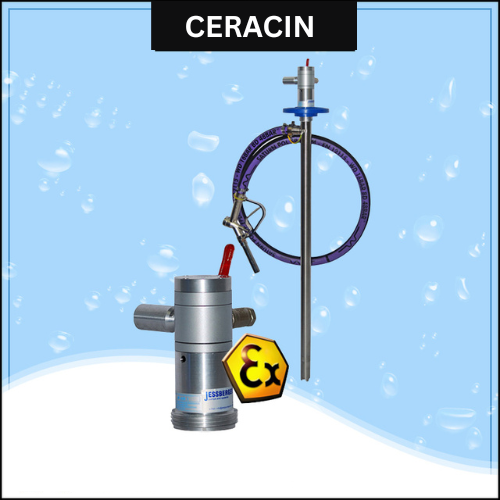
Moving liquids from drums and barrels may look simple, but in industrial settings, it needs the right equipment. A good Barrel Pump makes liquid transfer safe, fast, and controlled. Whether you handle chemicals, oils, solvents, or food-grade liquids, selecting the correct pump improves efficiency and reduces waste. In 2026, industries are focusing more on safety, reliability, and long-term value. This article explains how to choose the right pump clearly and practically.
1. Understand the Type of Liquid You Handle
The first step in selecting a Barrel Pump is knowing your liquid.
Check these points:

- Is the liquid thin like water or thick like oil?
- Is it corrosive or non-corrosive?
- Is it flammable?
- Is it food-grade or chemical-based?
Different liquids require different materials. For example:

- Acids and chemicals need corrosion-resistant materials.
- Flammable liquids may require explosion-proof motors.
- Food products need a hygienic stainless steel construction.
Choosing the wrong material can damage the pump and create safety risks.
2. Choose the Right Pump Type
A pump is available in different operation types. The choice depends on your work environment and daily usage.
Manual Barrel Pump
- Operated by hand
- Suitable for low-volume transfer
- Cost-effective
- Ideal for small workshops
Electric Barrel Pump
- Powered by a motor
- Faster liquid transfer
- Suitable for medium to high volume work
- Reduces manual effort
Pneumatic Barrel Pump
- Air-operated
- Safe for hazardous areas
- Suitable for flammable liquids
If your industry runs continuously, an electric or pneumatic system is usually more efficient than a manual one.
3. Check Flow Rate Requirements
Flow rate determines how quickly the liquid moves.
Ask yourself:
- How much liquid do you transfer daily?
- Do you need fast emptying of drums?
- Is precise flow control important?
A higher flow rate saves time, but it must match your process needs. An oversized pump can cause splashing or wastage, while a small one may slow down production. Always match flow capacity to your actual requirement.
4. Consider Pump Material and Build Quality
Choosing a barrel pump isn’t just about the price tag; it’s about making sure the machine won't melt, rust, or break down when it’s time to get to work. Here is what to look for. The tube material:
- Polypropylene (PP) is your go-to for most chemicals.
- Stainless Steel (SS) is perfect for food, cosmetics, or flammable liquids.
- PVDF is for the really high-heat or harsh acid stuff.
- The Motor: Make sure it’s built to run all day without overheating.
5. Safety Features Should Not Be Ignored
Safety is essential, especially when handling chemicals or flammable liquids.
Look for:
- Explosion-proof motor options
- A proper grounding system
- Leak-proof sealing
- Securely fit the drum.
A well-designed Barrel Pump reduces spill risks and protects workers from exposure. Industrial safety standards are becoming stricter in 2026, so compliance should be a priority.
6. Ease of Installation and Operation
A complicated system slows down work. Choose a pump that:
- Is easy to install on standard drums
- Has simple start and stop controls
- Requires minimal training
- Allows easy cleaning
If multiple operators use the pump, simplicity improves productivity and reduces errors.
7. Maintenance and Spare Support
Even the best pump needs maintenance.
Before purchasing, confirm:
- Availability of spare parts
- Local service support
- Warranty coverage
- Maintenance frequency
A reliable pump should allow easy seal replacement and motor servicing. Low maintenance downtime means higher operational efficiency.
8. Energy Efficiency and Operating Cost
Running cost matters in the long term.
Consider:
- Motor power consumption
- Operating hours per day
- Repair frequency
- Expected lifespan
An energy-efficient Barrel Pump reduces electricity bills and improves cost control. Always evaluate total ownership cost, not just purchase price.
9. Industry-Specific Requirements
Different industries have different needs.
Chemical Industry
- Corrosion resistance
- Sealed transfer system
- Safety compliance
Oil & Lubricant Industry
- Strong motor
- High viscosity handling
Food & Beverage
- Hygienic construction
- Easy cleaning
Pharmaceutical
- Precision transfer
- Clean material compatibility
Select a Barrel Pump designed for your specific sector rather than a general-purpose model.
10. Future Expansion Planning
Think ahead. If your production may increase in the next few years, choose a pump that can handle slightly higher capacity than current demand. This avoids early replacement and saves cost later.
Conclusion
Choosing the right Barrel Pump starts with a clear understanding of the liquid you are handling, the required flow rate, site safety standards, and overall operating conditions. The correct selection improves transfer efficiency, reduces product wastage, and ensures safe, controlled fluid movement. It is equally important to evaluate build quality, material compatibility, and long-term maintenance costs. In 2026, industries expect durable and dependable performance. Investing in a high-quality solution from Ceracin supports smooth operations and enhances overall plant productivity.
FAQ’s
1. What is a Barrel Pump used for?
A pump is used to transfer liquids safely from drums or barrels into containers, tanks, or processing lines.
2. Can one Barrel Pump handle different liquids?
Yes, but compatibility depends on the material type. Always check chemical resistance before switching liquids.
3. Which Barrel Pump is best for flammable liquids?
Pneumatic or explosion-proof electric models are generally preferred for hazardous environments.
4. How often should maintenance be done?
Basic inspection should be done regularly. Seal and motor checks depend on usage intensity.
5. Is stainless steel always necessary?
Not always. Stainless steel is ideal for food and corrosive liquids, but other materials may work for non-aggressive fluids.





