

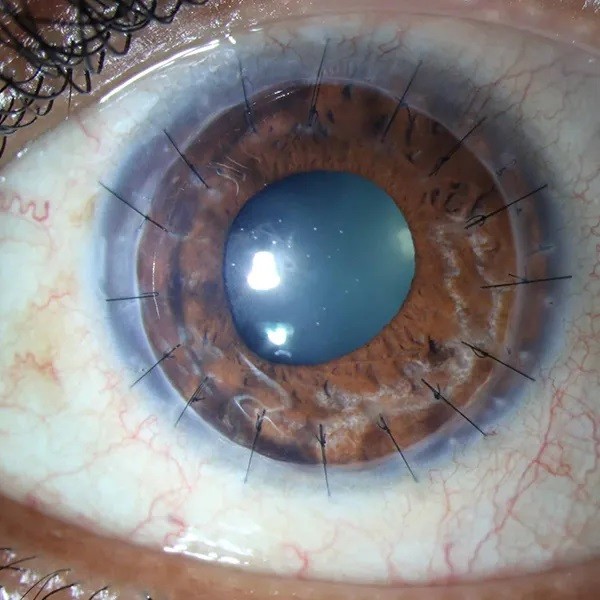
Our eyes are often called the windows to the world, and if that’s true, then the cornea is the glass of that window. The cornea is the clear, dome-shaped outer layer of your eye. It plays a huge role in how you see because it helps focus light as it enters. When the cornea is healthy, you don’t even notice it’s there. But when it gets damaged, scarred, or diseased, your vision can become blurry, painful, or distorted.
If you are struggling with cornea issues, the good news is that medical science has come a long way. Gone are the days when a cornea problem meant permanent vision loss. Today, there are several cornea treatment options ranging from simple eye drops to high-tech surgeries.
In this guide, we will talk about the most common cornea problems and the best treatment options available today to help you get your clear vision back.

When Do You Need Cornea Treatment?
Not every eye problem requires surgery. Some conditions can be managed with medication, while others may need advanced care. You may need treatment if you have:
- Ongoing eye pain or redness
- Blurred or distorted vision
- Corneal infection
- Corneal ulcers
- Keratoconus (thinning of the cornea)
- Corneal scarring
- Injury to the front surface of the eye
Early diagnosis always improves the success of the treatment, so it’s important not to ignore symptoms.
Top Cornea Treatment Options
Depending on how serious the issue is, your doctor might suggest one of the following paths:
- Medications and Eye Drops
For many people, the journey starts here. If your cornea problem is caused by an infection (bacteria, virus, or fungi) or inflammation, specialized eye drops are the first line of defense.
- Antibiotics: To kill infections.
- Steroid drops: To reduce swelling and redness.
- Artificial Tears: If your cornea is irritated due to severe dryness.
Most minor issues heal with just a few weeks of consistent drop usage.

- Specialized Contact Lenses
Sometimes, the cornea is shaped incorrectly (like in Keratoconus). Standard glasses might not work because the surface of the eye is too uneven.
Scleral Lenses: These are large-diameter lenses that arch over the cornea and rest on the white part of the eye (the sclera). They create a new, smooth liquid surface over the cornea, providing amazingly clear vision for people with irregular shapes.
- Corneal Collagen Cross-Linking (CXL)
This is a relatively newer and very successful cornea treatment, specifically for Keratoconus. The goal isn't necessarily to "fix" the vision but to stop the disease from getting worse.
During CXL, the doctor uses Vitamin B2 (riboflavin) drops and UV light to strengthen the chemical bonds in the cornea. This "stiffens" the cornea so it stops bulging out. It’s a great way to avoid a transplant later in life.
- PTK (Phototherapeutic Keratectomy)
Think of this as "laser sanding." If you have scars or rough spots on the surface of your cornea, a surgeon can use an excimer laser to vaporize the damaged tissue. This smooths out the surface, allowing light to pass through clearly without the "blur" caused by scars.
- Corneal Transplants (Keratoplasty)
If the cornea is too damaged to be repaired, a transplant is the best option. This involves replacing your damaged cornea with healthy tissue from a donor.
There are two main types:
Full-Thickness Transplant (PK): The entire cornea is replaced. This cornea treatment is done for deep scars or severe injuries.
Partial-Thickness Transplant (DALK or DSAEK/DMEK): Only the damaged layers are replaced. This is much better for the patient because it heals faster and has a lower risk of the body "rejecting" the new tissue.
Preventive Care and Lifestyle Tips
While treatments are essential, prevention and care play a major role in keeping your cornea healthy:
- Wear protective eyewear during sports or hazardous work
- Avoid rubbing your eyes excessively
- Follow hygiene practices with contact lenses
- Regular eye check-ups to detect early corneal issues
- Maintain a healthy diet rich in vitamins A, C, and omega-3 for eye health
Conclusion
If your vision is feeling foggy or you’ve been told you have a cornea issue, you need a team that knows exactly what they’re doing. This is where Drishti Eye Hospital comes in. We have some of the best specialists in cornea treatment who handle everything from simple infections to complex corneal transplants.
We use the latest technology to identify the root cause of your issue. Our eye specialists look at the health of your whole eye to give you the best possible treatment. Whether you need specialized scleral lenses or advanced surgery, you’re in safe hands. From expert consultations to state-of-the-art procedures like corneal cross-linking, laser therapy, and corneal transplants, Drishti Eye Hospital ensures that every patient receives personalized care.
Frequently Asked Questions
How do I know if I need cornea treatment?
Blurred vision, glare, eye pain, or sudden vision changes are warning signs. See an eye specialist as soon as possible.
Is cornea treatment painful?
Most procedures use numbing drops or local anesthesia. You may feel minor discomfort, but the treatments are generally painless.
How long does recovery take?
It varies. Medications may work in days or weeks, while transplants can take months. Your doctor will give specific guidance.
Can cornea problems come back after treatment?
Some conditions, like keratoconus, may progress over time. Regular check-ups are important.
Are there non-surgical options?
Yes. Specialized contact lenses and medications can manage many problems without surgery. Advanced issues may still need procedures.





