

Losing several teeth can affect daily comfort, speech clarity, and confidence, making timely treatment essential for long-term oral wellness. Canadian dental professionals emphasise personalised restoration plans designed to match each patient’s bite, gum health, and facial structure. Modern prosthetic options focus on stability, natural appearance, and gentle adaptation to the mouth. With advances in materials and digital impressions, today’s restorative methods are more precise than ever, allowing clinicians to rebuild smiles in ways that feel secure, functional, and aesthetically balanced.
Modern Approaches to Smile Rehabilitation
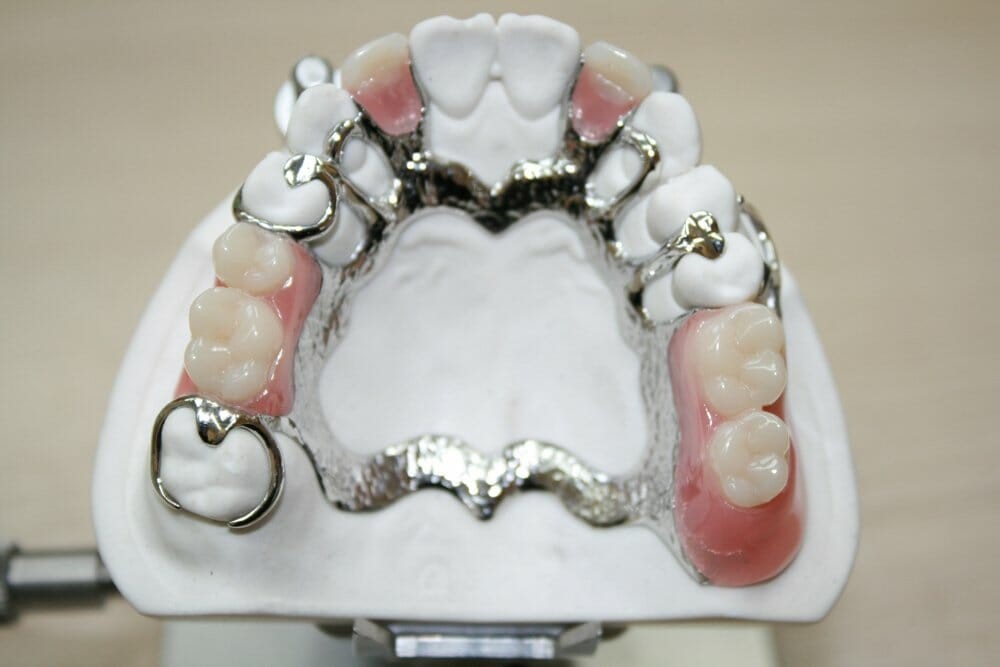
Restorative dentistry now blends clinical science with digital design to create customised replacements that integrate seamlessly with remaining teeth. Among these options, Partial Dentures are frequently recommended when some natural teeth remain healthy and strong. These devices are carefully crafted to fit comfortably while maintaining proper spacing and alignment. Dentists assess bone support, gum condition, and bite pressure before recommending a solution, ensuring that each restoration supports both oral health and everyday comfort for patients across diverse age groups.
Why Comfort Is a Priority in Treatment Planning
Comfort plays a central role when replacing multiple teeth because poorly fitted appliances can lead to irritation or difficulty chewing. Dentists use detailed scans and bite analysis to design prosthetics that distribute pressure evenly. This careful planning reduces sore spots and helps patients adapt more quickly. Advanced acrylics and lightweight frameworks also improve wearability, allowing restorations to feel natural rather than bulky. By prioritising fit and function, clinicians help patients regain confidence in speaking, eating, and smiling without distraction.
Materials That Improve Durability and Fit
Dental technology continues to evolve, offering materials that enhance strength without sacrificing appearance. Flexible polymers, metal frameworks, and high-impact resins provide durability suited to daily wear. In many restorative cases, Partial Dentures offer a balanced option because they combine resilience with adaptability. These prosthetics are designed to clasp gently onto existing teeth or rest securely along the gums. Such engineering ensures stability while minimising strain on supporting structures, which contributes to longer-lasting results and fewer adjustments over time.
Customisation for Natural Appearance

A key goal in multi-tooth replacement is achieving a natural look that complements facial features. Dentists carefully match tooth shade, contour, and translucency so restorations blend with surrounding teeth. Precision shading techniques and layered materials replicate the subtle variations seen in real enamel. This level of customisation ensures prosthetics do not appear artificial or uniform. Patients benefit from restorations that harmonise with their smile, helping them feel at ease in social and professional settings while maintaining proper oral function.
Adapting to Daily Life with Restorations
Adjusting to a dental prosthetic typically takes a short transition period, during which dentists provide guidance on speaking, eating, and cleaning routines. Supportive follow-up visits allow for fine-tuning if minor pressure points arise. Many individuals find that Partial Dentures become comfortable quickly because they are tailored to the mouth’s exact dimensions. Consistent care, including gentle cleaning and proper storage, helps maintain hygiene and prolong device lifespan. With professional monitoring, patients can rely on their restorations for dependable daily performance.
Professional Assessment and Long-Term Care
Regular dental evaluations remain essential after any tooth-replacement procedure. Dentists monitor gum health, jaw alignment, and prosthetic condition to ensure continued comfort and stability. Adjustments may be recommended over time as oral structures naturally change. Preventive checkups also allow early detection of wear or fit issues before they become problematic. This proactive approach supports lasting results and helps patients maintain optimal oral health while benefiting from functional, well-fitting restorations designed for reliability.
Restoring Confidence Through Reliable Options
Successful smile restoration is not only about replacing missing teeth but also about restoring self-assurance and quality of life. With thoughtful planning, modern materials, and precise fabrication, dentists can provide solutions tailored to individual needs. For many patients seeking a practical and comfortable way to regain function and aesthetics, Partial Dentures remain a trusted and effective choice that supports long-term oral health and confident everyday living.





