

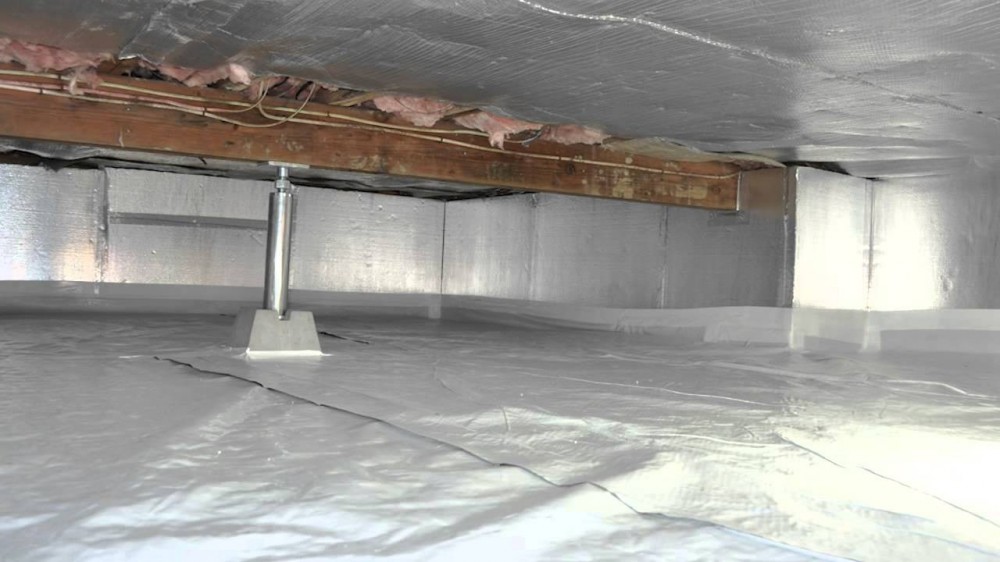
Crawlspace Encapsulation controls dampness and limits water buildup under buildings. It adds a sealed layer that blocks ground moisture and keeps air quality steady.
Property owners often see reduced mold risk and better indoor comfort after installation. Proper sealing also helps protect the floor structure and insulation from long-term damage.
Professionals with field experience confirm that correct installation makes a clear difference in moisture control results.

Why Crawlspace Encapsulation Matters
Crawlspaces collect moisture from soil, rain, and air leaks. When left open, that moisture spreads into the structure above.
Crawlspace Encapsulation creates a sealed barrier that limits this movement.
It supports cleaner air and reduces unwanted humidity levels.
Key Benefits
- Reduces damp air rising into living spaces
- Limits mold growth under floors
- Protects wood beams and floor framing
- Improves comfort during hot and cold seasons
Market data shows homes with sealed crawlspaces can lower indoor humidity levels by up to 20 percent in humid climates. Lower humidity often means fewer repair costs over time.

How the Process Works
The process follows clear steps to seal the area properly.
Site Inspection and Preparation
Technicians inspect the space before starting.
They check for:
- Standing water
- Open vents
- Cracks in walls or floors
- Damaged insulation
Sealing and Barrier Installation
After preparation, they install:
- Heavy-duty vapor barrier on floors and walls
- Sealed seams with strong tape
- Closed vents to stop outside air entry
A well-installed barrier stays tight against surfaces. Gaps reduce performance and allow moisture to return.
Role of Professional Crawlspace Encapsulation Services
Experienced teams handle details that affect long-term results.
Crawlspace Encapsulation Services include inspection, sealing, and testing after installation.
They adjust methods based on building size and location.
Why Experience Matters
- Proper measurement of space
- Accurate material placement
- Strong sealing around pipes and beams
A trained Crawlspace Encapsulation Company understands local building conditions and common moisture risks.
This knowledge improves durability and performance.
Bonus Tips
Install a Drainage System First
Water control improves results.
- Add drainage pipes if water pools
- Install a sump pump for active removal
- Redirect rainwater away from foundations
Check Ventilation Needs
Some spaces require airflow control.
- Close old vents
- Add controlled ventilation if needed
- Monitor air balance after sealing
Inspect Annually
Regular checks protect the investment.
- Look for tears in the barrier
- Test humidity levels
- Repair weak seals quickly
Cost vs Long Term Value
Many property owners compare the upfront cost with long-term savings.
|
Factor |
Without Encapsulation |
With Encapsulation |
|---|---|---|
|
Moisture Control |
Low |
High |
|
Mold Risk |
Higher |
Reduced |
|
Energy Use |
Increased strain |
More stable |
|
Structural Protection |
Limited |
Improved |
Energy reports show homes with sealed crawlspaces often reduce utility stress because moisture no longer affects insulation performance.
Regional Considerations
In humid areas like Maryland, moisture moves quickly into low spaces.
Seasonal rain and temperature changes increase water buildup under homes.
Local professionals adjust installation based on:
- Groundwater levels
- Soil type
- Flood risk zones
A skilled Crawlspace Encapsulation Expert evaluates these factors before starting work.

Things to Consider Before Making a Decision
Property owners should review key points before installing a system.
Existing Damage
Check for:
- Rotting wood
- Mold spots
- Structural cracks
Repair damage before sealing.
Budget Planning
Costs vary based on size and condition.
Clear pricing depends on:
- Square footage
- Required repairs
- Material thickness
Future Access Needs
Some homes need access to plumbing or wiring.
Install access panels that allow safe entry without breaking the seal.
Long Term Maintenance
Encapsulation requires monitoring.
- Inspect once per year
- Test moisture levels
- Replace damaged sections
Conclusion
Crawlspace Encapsulation reduces moisture buildup and protects building structure. It lowers humidity, limits mold growth, and improves indoor stability.
Success depends on proper preparation, quality materials, and careful installation.
Property owners should review their space condition and long-term goals before deciding.
Get Professional Support
Peninsula Insulation provides guidance on Crawlspace Encapsulation Services for property owners who want better moisture control.
Their team evaluates spaces, explains options, and installs systems with attention to detail.
For questions or scheduling:
Email: wil@mdsprayfoam.net
Phone: (410) 770-2624
Contact them to review options and plan a solution that fits the project's needs.
Questions People Ask About
What problems show that a crawlspace needs sealing?
Strong damp smell, visible mold, standing water, and high indoor humidity signal the need for action.
How long does installation take?
Small spaces may take one to two days. Larger or damaged areas require more time.
Do vents need to stay open after sealing?
No. Most systems close vents to stop outside air from entering.
What maintenance does the system require?
Annual inspection and quick repair of tears or weak seals keep it effective.
Who should inspect the space before installation?
A trained Crawlspace Encapsulation Contractor or insulation specialist should handle inspection and planning.
Author: Wil Perkins is the founder of Peninsula Insulation and a long-time resident of Easton, Maryland. With nearly five years of hands-on experience, he leads projects focused on reliable insulation and moisture control solutions.
Reviewer: Emily Martinez has 12 years of experience in spray foam insulation. She reviewed the content to improve clarity and practical value for property owners and service providers.





