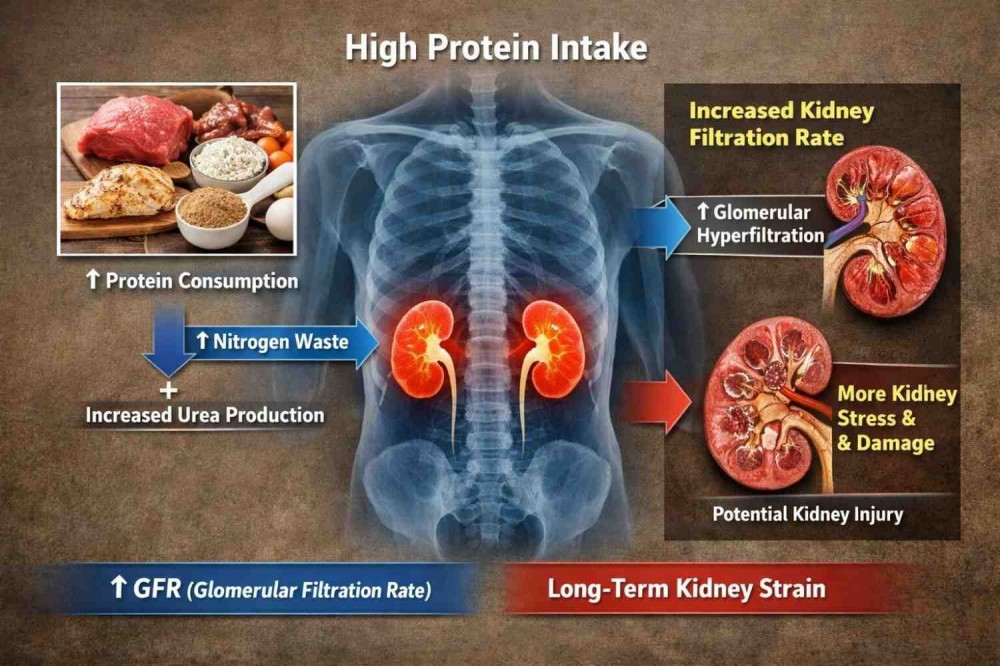
High-protein diets are widely promoted for weight loss, muscle gain, and improved metabolism. From gym enthusiasts to people following keto or low-carb eating plans, protein intake often increases significantly. This raises an important health question: Is High Protein Diet Bad for Kidneys? The answer is not the same for everyone and depends largely on a person’s existing kidney function and overall health.
How the Kidneys Process Protein
Protein is an essential macronutrient that helps build muscles, repair tissues, produce enzymes, and maintain immune function. When you eat protein, your body breaks it down into amino acids. During this process, nitrogen waste products such as urea and creatinine are formed. The kidneys filter these waste products from the bloodstream and remove them through urine.
When protein intake rises, the kidneys must filter more waste. This increases the glomerular filtration rate (GFR), meaning the kidneys work harder. In healthy individuals, this adaptation is usually manageable. However, concerns arise when high protein intake is sustained for long periods or when kidney function is already compromised.

Impact on Healthy Kidneys
For people with normal kidney function, moderate high-protein diets are generally considered safe. Research shows that healthy kidneys can adjust to higher protein loads without causing long-term damage. The temporary increase in kidney workload, known as hyperfiltration, does not typically lead to kidney disease in otherwise healthy individuals.
Athletes and bodybuilders often consume higher-than-average protein amounts to support muscle growth and recovery. When hydration is adequate and overall nutrition is balanced, their kidneys usually tolerate this increased demand well. However, extremely excessive protein consumption offers little additional benefit and may increase the risk of dehydration or digestive discomfort.
Impact on People with Kidney Disease
The situation is different for individuals with chronic kidney disease (CKD) or reduced kidney function. In these cases, the kidneys already struggle to filter waste efficiently. A high-protein diet may accelerate kidney damage by increasing internal pressure in the kidney’s filtering units (glomeruli).
For CKD patients, doctors often recommend a controlled or reduced-protein diet to decrease kidney workload. Limiting protein intake can help slow the progression of kidney disease and reduce symptoms such as fatigue, nausea, and fluid retention. Therefore, for individuals with diagnosed kidney problems, high protein intake can indeed be harmful.
How Much Protein Is Safe?
The recommended daily allowance (RDA) for protein in healthy adults is about 0.8 grams per kilogram of body weight. For physically active individuals, needs may increase to 1.2–2.0 grams per kilogram. Problems typically arise when protein intake consistently exceeds recommended levels, particularly in people with underlying health conditions.

It is also important to consider the source of protein. Plant-based proteins such as lentils, beans, nuts, and tofu may be gentler on the kidneys compared to high amounts of red or processed meats. Diet quality matters just as much as quantity.
Risk Factors That Increase Concern
Certain groups should be more cautious with high-protein diets:
-
People with diabetes
-
Individuals with high blood pressure
-
Those with a family history of kidney disease
-
Older adults with declining kidney function
These conditions already place stress on the kidneys, and excessive protein may increase the risk of further damage.
Warning Signs of Kidney Stress
If kidney function begins to decline, symptoms may include swelling in the legs or face, fatigue, changes in urination, foamy urine, elevated creatinine levels, or reduced GFR. Regular blood and urine tests can help detect problems early, especially for those consuming high-protein diets.
Conclusion
So, is high protein diet bad for kidneys? For healthy individuals with normal kidney function, moderate high-protein intake is generally safe. However, for people with chronic kidney disease or other risk factors, excessive protein can worsen kidney damage. The key is balance and personalization. Before making major dietary changes, especially increasing protein significantly, it is wise to consult a healthcare professional. A well-planned diet that matches your health status ensures both fitness goals and long-term kidney health are protected.