

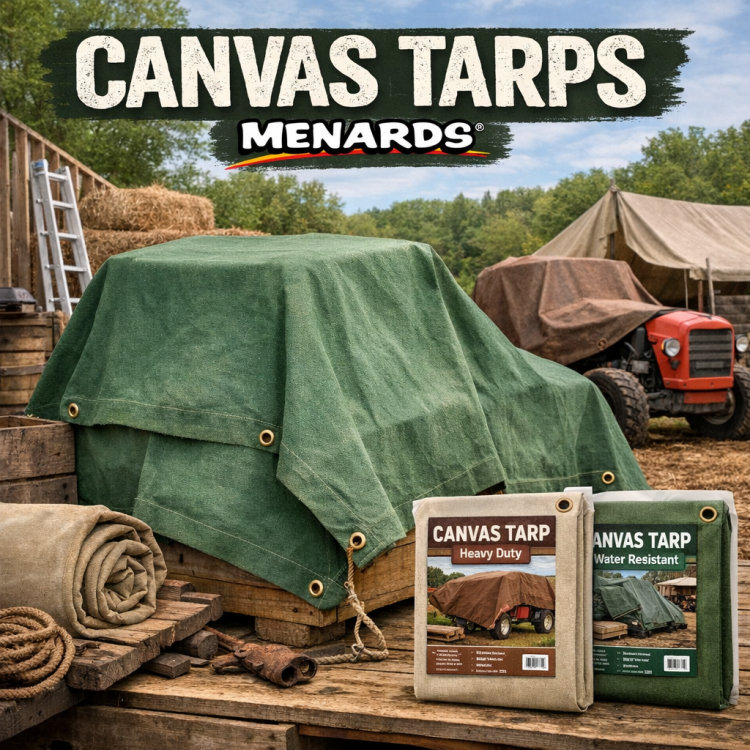
Tarps are one of the most versatile and practical tools for homeowners, contractors, outdoor enthusiasts, and business owners. Whether you need to protect equipment, cover construction materials, shield vehicles, or create temporary shelter, high quality tarps provide reliable coverage in all types of weather conditions. Their durability, affordability, and flexibility make them an essential product for countless applications.
Understanding the different types of tarps available can help you select the right option for your specific needs. Not all tarps are created equal, and choosing the proper material, thickness, and size ensures maximum performance and long lasting protection.
What Are Tarps and Why Are They Important
Tarps, short for tarpaulins, are large sheets made from strong, flexible, and often waterproof materials. They are designed to provide protection against rain, sun, wind, dust, and debris. From residential backyards to industrial job sites, tarps play a crucial role in safeguarding valuable assets.

One of the biggest advantages of tarps is their adaptability. They can be used for temporary or long term coverage, depending on the material and environmental conditions. With reinforced edges and rust resistant grommets, tarps are easy to secure and install in a wide range of settings.
Different Types of Tarps
Choosing the right tarp starts with understanding the available options. Each type serves a specific purpose and offers unique benefits.
Poly tarps are among the most popular choices. Made from woven polyethylene, they are lightweight, waterproof, and resistant to mildew. These tarps are ideal for covering outdoor furniture, firewood, vehicles, and construction materials.
Canvas tarps are breathable and durable. Unlike poly tarps, they allow airflow, reducing condensation buildup. They are commonly used for covering equipment and machinery where moisture control is important.
Vinyl tarps are heavy duty and highly resistant to abrasion, chemicals, and extreme weather. They are often used in commercial and industrial environments where maximum durability is required.

Mesh tarps are designed to provide shade and allow air circulation. They are perfect for landscaping projects, debris containment, and creating shade structures.
Key Features to Look For
When purchasing tarps, it is important to consider several essential features to ensure you get the best value and performance.
Material quality is a top priority. Thicker materials generally offer greater durability and resistance to tearing. Look for reinforced corners and heat sealed seams for added strength.
Water resistance is another critical factor. If you need protection from heavy rain, choose a fully waterproof tarp. For applications where airflow is necessary, breathable materials may be more suitable.
UV resistance helps prevent sun damage and extends the lifespan of your tarp. This feature is especially important for long term outdoor use.
Grommet spacing and edge reinforcement also matter. Evenly spaced, rust resistant grommets allow for secure tie downs and reduce stress on the tarp during high winds.
Common Uses for Tarps
Tarps are incredibly versatile and can be used in numerous situations. Homeowners often rely on tarps to cover roofs during repairs, protect gardens from frost, and shield outdoor furniture during storms.
Contractors use tarps to cover building materials, create temporary enclosures, and manage debris at job sites. Farmers and ranchers use tarps to protect hay, feed, and equipment from harsh weather conditions.
Outdoor enthusiasts benefit from tarps when camping or hiking. They can be used as ground covers, rain shelters, or windbreaks. Their lightweight design makes them easy to transport and set up quickly.
Businesses also use tarps for transportation and storage. Flatbed truck tarps secure cargo during transit, while warehouse tarps protect inventory from dust and moisture.
How to Choose the Right Size
Selecting the correct size tarp is crucial for effective coverage. Measure the area you need to cover carefully, allowing extra material for secure tie down and overlap. Keep in mind that finished tarp sizes may be slightly smaller than the listed cut size due to hemming and reinforcement.
If you are covering irregular shapes, consider choosing a slightly larger tarp to ensure complete protection. Oversized tarps can be folded and secured, while undersized tarps may leave valuable items exposed.
Maintenance and Care Tips
Proper maintenance can significantly extend the lifespan of your tarp. Always clean your tarp before storing it. Remove dirt, debris, and moisture to prevent mold and mildew growth.
Store tarps in a dry, cool location away from direct sunlight when not in use. Avoid dragging tarps across rough surfaces, as this can cause tears and abrasions.
Inspect your tarp regularly for damage. Small tears can often be repaired with tarp tape or patch kits, preventing further deterioration and maintaining functionality.
Why Quality Matters
Investing in high quality tarps can save money in the long run. Cheap tarps may tear easily, degrade under UV exposure, or fail during heavy storms. A durable tarp provides reliable protection, reducing the risk of damage to your property and equipment.
Quality tarps also offer better performance in extreme conditions. Whether facing intense heat, heavy rainfall, or strong winds, a well made tarp delivers dependable coverage and peace of mind.
Final Thoughts
Tarps are an essential solution for protection, storage, and outdoor coverage. With various materials, sizes, and features available, selecting the right tarp ensures long lasting performance and maximum value. By understanding your specific needs and prioritizing quality, you can find the perfect tarp for any project or environment.
From residential use to industrial applications, tarps continue to be one of the most practical and cost effective protective tools available today.





