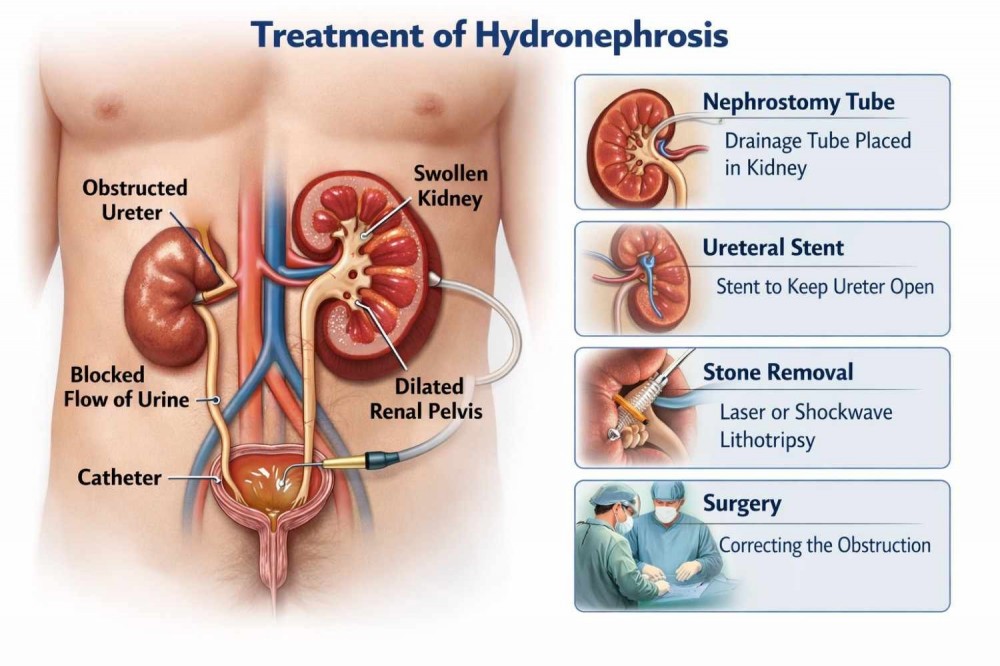
Hydronephrosis is a medical condition characterized by swelling of one or both kidneys due to the buildup of urine. This occurs when urine cannot flow normally from the kidney to the bladder because of a blockage or obstruction in the urinary tract. The accumulated urine puts pressure on the kidney tissues, which can lead to pain and potential damage if not treated promptly. Proper treatment of hydronephrosis focuses on relieving the obstruction, restoring normal urine flow, and preventing long-term kidney damage.
Understanding the Causes
The first step in treating hydronephrosis is identifying the underlying cause. Several conditions can lead to urinary blockage, including kidney stones, urinary tract infections, enlarged prostate, tumors, congenital abnormalities, or narrowing of the ureter. In some cases, pregnancy can also cause temporary hydronephrosis due to pressure on the urinary tract. Once doctors determine the cause, they can select the most appropriate treatment approach.
Medication and Monitoring
In mild cases, hydronephrosis may not require immediate invasive treatment. Doctors may recommend close monitoring along with medications to manage symptoms. If the condition is caused by a urinary tract infection, antibiotics are prescribed to eliminate the infection and reduce inflammation. Pain medications may also be given to relieve discomfort in the abdomen or lower back.

Patients are often advised to undergo regular imaging tests such as ultrasounds or CT scans to monitor kidney swelling and ensure the condition does not worsen.
Treatment for Kidney Stones
Kidney stones are a common cause of hydronephrosis. When stones block the ureter, urine cannot pass freely from the kidney to the bladder. Treatment depends on the size and location of the stone.
Small stones may pass naturally with increased fluid intake and medications that help relax the urinary tract. Larger stones may require procedures such as extracorporeal shock wave lithotripsy (ESWL), which uses sound waves to break stones into smaller pieces that can pass through urine. In some cases, minimally invasive surgical procedures may be required to remove the stones.
Use of Stents and Catheters
If the blockage is severe and urine cannot drain from the kidney, doctors may use medical devices to relieve pressure. A ureteral stent is a thin tube placed inside the ureter to keep it open and allow urine to flow from the kidney to the bladder.
Another option is a nephrostomy tube, which drains urine directly from the kidney through a small tube inserted through the skin. This procedure quickly relieves pressure on the kidney and prevents further damage while doctors address the underlying cause.

Surgical Treatment
In certain cases, surgery may be necessary to correct structural abnormalities in the urinary tract. For example, a condition called ureteropelvic junction (UPJ) obstruction occurs when the connection between the kidney and ureter is narrowed. Surgical repair can restore normal urine flow.
Tumors or severe blockages may also require surgical removal. Modern surgical techniques, including minimally invasive and laparoscopic procedures, have made these treatments safer and more effective.
Importance of Early Diagnosis
Early diagnosis is crucial in the treatment of hydronephrosis. If the condition remains untreated for a long period, the pressure caused by urine buildup can permanently damage the kidney tissues and lead to loss of kidney function. Symptoms such as flank pain, nausea, urinary infections, or difficulty urinating should not be ignored.
Medical imaging techniques like ultrasound, CT scans, and MRI are commonly used to confirm the diagnosis and determine the severity of the condition.
Lifestyle and Preventive Care
Preventive measures can also help reduce the risk of hydronephrosis. Drinking adequate water, maintaining a healthy diet, treating urinary infections early, and managing conditions like kidney stones or prostate enlargement are important steps in protecting urinary tract health.
Conclusion
Treatment of hydronephrosis aims to remove the blockage that prevents urine from draining properly from the kidney. Depending on the cause and severity, treatment may include medications, procedures to remove kidney stones, placement of stents or catheters, or surgical correction of structural problems. Early detection and proper medical care are essential to prevent kidney damage and maintain healthy kidney function.