

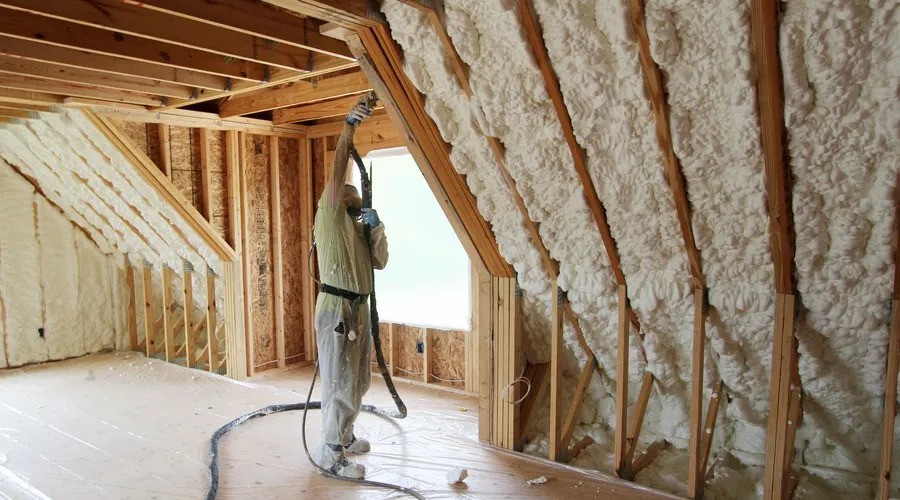
Insulation directly improves year round home comfort by controlling indoor temperature, reducing air leaks, and limiting moisture buildup. When installed correctly, it keeps warm air inside during winter and blocks heat during summer. This steady indoor climate reduces HVAC strain and lowers energy waste.
Homes with professional Insulation services often report fewer hot and cold spots. The U.S. Department of Energy estimates that heating and cooling account for about 50 percent of a home’s energy use. Proper insulation can cut energy loss by up to 15 percent in many homes.
This article explains how Insulation experts improve comfort, what homeowners should consider, and how to choose the right Insulation company for long term results.

How Insulation Controls Indoor Temperature
Stable indoor temperature is the main reason homeowners invest in insulation upgrades. Air leaks and thin wall coverage allow outside heat or cold to move freely indoors.
Professional Insulation services focus on sealing gaps, improving attic coverage, and reinforcing wall cavities. This approach reduces sudden temperature swings and helps HVAC systems run more efficiently.
Attic Insulation Makes the Biggest Impact
Heat rises and collects in the attic. Poor attic coverage allows heat to enter in summer and escape in winter.
An experienced Insulation contractor evaluates existing material and adds proper depth. This step often delivers the fastest comfort improvement.
Signs the Attic Needs Attention
Homeowners may notice:

- Rooms that feel warmer than others
- High cooling bills in summer
- Drafts near ceilings
- Uneven airflow
These signs often point to weak attic coverage.
Wall and Floor Coverage Improve Consistency
Walls and floors also affect comfort. Thin or damaged material allows outside air to enter.
A qualified Insulation company checks wall cavities and crawl spaces. They ensure continuous coverage without gaps. This creates a balanced indoor environment across all rooms.
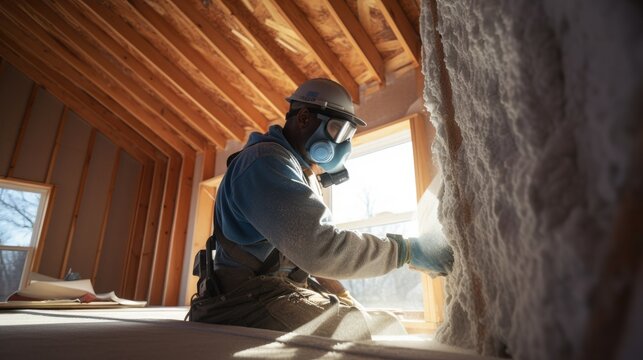
How Insulation Reduces Moisture and Improves Air Quality
Comfort is not only about temperature. Moisture control matters just as much. High humidity can make a home feel warmer than it is.
Professional Insulation experts use materials that limit air infiltration. When outside air stays out, humidity levels stay more stable.
Moisture Control Prevents Mold Growth
Moisture buildup in walls and attics can lead to mold. Mold affects air quality and can damage structural materials.
Proper insulation reduces condensation on interior surfaces. This lowers the risk of mold and improves indoor air conditions.
Bonus Tips for Humid Climates
Bonus Tip One
Homeowners in coastal or humid areas should request moisture resistant materials for attics and crawl spaces.
Bonus Tip Two
Sealing air leaks around ducts and vents improves both humidity control and cooling efficiency.
According to industry data, homes with controlled humidity often feel up to 5 degrees cooler without adjusting the thermostat. This leads to energy savings and better comfort.
Comparing Common Insulation Types
Different materials serve different needs. Homeowners should understand basic performance differences before making a decision.
Below is a simplified comparison that highlights common options used by Insulation services.
|
Type |
Best For |
Air Seal Strength |
Moisture Resistance |
Lifespan |
|---|---|---|---|---|
|
Fiberglass Batts |
Walls and attics |
Moderate |
Low |
15 to 20 years |
|
Blown In Cellulose |
Attic upgrades |
Good |
Moderate |
20 years |
|
Spray Foam |
Attics and walls |
High |
High |
20 plus years |
Spray foam often provides the strongest air seal. Fiberglass remains common for budget conscious upgrades. A knowledgeable Insulation contractor helps match material to home design and climate.

How Insulation Lowers Energy Bills
Energy efficiency links directly to comfort. When indoor air stays stable, heating and cooling systems work less.
The Environmental Protection Agency reports that air sealing and insulation upgrades can reduce total energy use by an average of 11 percent nationwide. In extreme climates, savings may be higher.
Reduced HVAC Cycling
Frequent HVAC cycling causes wear and tear. Poor insulation allows heat to move freely, forcing systems to turn on often.
An experienced Insulation company evaluates airflow patterns and seals problem areas. This reduces cycling and extends equipment life.
Improved Room by Room Balance
Some homes have cold bedrooms and warm living rooms. Insulation upgrades help balance airflow.
When walls, attics, and floors work together, each room maintains similar temperature levels. This leads to better daily comfort.
Things to Consider Before Making a Decision
Homeowners should review several factors before selecting Insulation services.
First, assess the age of the home. Older homes often lack modern air sealing.
Second, check current energy bills. Rising costs may signal weak coverage.
Third, evaluate local climate. Cold regions need higher thermal resistance. Hot regions need strong heat blocking and moisture control.
Fourth, request a full inspection from a qualified Insulation contractor. A detailed evaluation ensures targeted improvements rather than partial fixes.
Additional Guidance on Building Design
Homes with vaulted ceilings, metal roofs, or crawl spaces may need specialized methods. Professional Insulation experts tailor solutions based on structure and airflow design.
Improve Home Comfort with Professional Guidance
Year round comfort depends on temperature control, moisture balance, and steady airflow. Proper insulation addresses each of these areas in a clear and practical way.
Homes with strong coverage experience fewer drafts and lower energy waste. HVAC systems operate with less strain and indoor air feels more stable.
Homeowners should evaluate their property layout, climate conditions, and long term goals before choosing a solution. A thorough inspection from a trusted provider ensures the right material and coverage depth.
Contact a Trusted Insulation Provider
For property owners seeking reliable support, All in Overhall offers professional evaluation and installation across South Florida. They provide detailed assessments and clear recommendations tailored to each home’s structure.
Readers can contact them at (561) 406-3835 or email info@allinoverhall.com for more information about available Insulation services. Their team helps homeowners understand practical options that align with comfort goals and energy efficiency needs.
Questions People Ask About Insulation
How long does insulation last?
Most modern materials last 15 to 25 years. Lifespan depends on material type and moisture exposure. Regular inspections help maintain performance.
Can insulation reduce outside noise?
Yes. Dense materials help absorb sound waves. Wall and attic coverage can reduce street noise and improve indoor quietness.
Is attic insulation enough for full comfort?
Attic upgrades deliver strong results. Still, walls and floors may also need attention for complete temperature balance.
How do insulation experts find air leaks?
They use visual inspections and airflow testing tools. These methods reveal gaps around vents, ducts, and framing joints.
When should insulation be replaced?
Replacement is often needed after water damage, pest issues, or major renovations. Energy bill spikes can also signal declining performance.
Author: Richard Hall founded ALL IN OVERHALL, Your Local Spray Foam Insulation Company in Jupiter, FL, on January 3, 2022, to offer honest and reliable insulation services across South Florida. He focuses on clear communication and careful workmanship to improve comfort and reduce energy costs. His team helps homeowners and businesses create spaces that stay cooler and more efficient year round.
Reviewer: Lucas Mitchell has 6 years of experience in spray foam insulation. He reviewed this article and helped refine the ideas to strengthen the brand's presence and reach homeowners seeking reliable insulation.





