Autism spectrum disorder (ASD) affects how individuals communicate, interact, and experience the world around them. While every child with autism is unique, many benefit from therapeutic approaches that support emotional expression, sensory regulation, and social development. Among the most effective and creative approaches are art therapy and music therapy. These therapies allow children to explore communication and self-expression in ways that go beyond traditional learning methods.
Creative therapies provide a safe and engaging environment where children can explore their feelings, develop new skills, and build confidence. Art therapy for autism and music offer powerful ways for children with autism to express themselves, even when verbal communication may be challenging.
Understanding Art Therapy for Autism
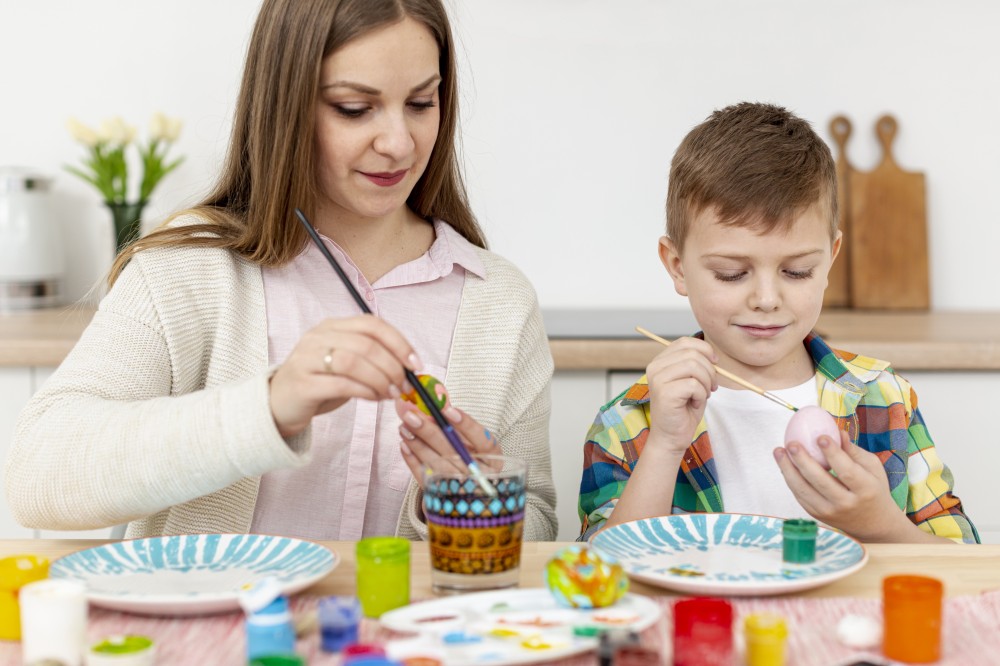
Art therapy is a therapeutic approach that uses creative activities such as drawing, painting, sculpting, and crafting to help individuals express emotions and experiences. For children with autism, art therapy provides a non-verbal outlet for communication and emotional exploration.

Many children on the autism spectrum find it difficult to articulate their feelings through words. Art gives them a different language through which they can share thoughts and emotions. Through colors, shapes, and textures, children can represent their inner world in a way that feels natural and comfortable.
Art therapy also helps improve focus and sensory processing. Activities like painting or clay modeling encourage children to concentrate while engaging their senses in a positive and controlled way. These activities help build patience, fine motor skills, and problem-solving abilities.
Another benefit of art therapy is that it encourages creativity and individuality. Children with autism often have unique perspectives and imaginative ideas. Art therapy celebrates these differences and allows children to explore their creativity without pressure or judgment.
The Role of Music Therapy in Autism Support
Music therapy is another powerful therapeutic tool for children with autism. Music naturally engages multiple areas of the brain, including those responsible for emotions, movement, memory, and communication. This makes it particularly effective for children who struggle with traditional learning methods.
In music therapy sessions, children may sing, play instruments, listen to music, or move rhythmically. These activities help develop communication and social interaction skills. Music often motivates children to engage with others, creating opportunities for connection and shared experiences.
Rhythm and repetition in music can also help children with autism develop structure and predictability. Many children on the spectrum respond positively to patterns and routines. Music provides these patterns in a way that is enjoyable and stimulating.
Music therapy also supports emotional regulation. Listening to calming melodies or participating in rhythmic activities can help reduce anxiety and stress. For children who experience sensory overload, music can provide a soothing and grounding experience.
How Creative Therapies Encourage Communication
Communication challenges are a common aspect of autism, but art and music therapy provide alternative ways to express thoughts and emotions. Instead of relying solely on spoken language, children can communicate through creative expression.
In art therapy, a child’s drawing or painting may reflect feelings they are unable to describe verbally. Therapists and caregivers can use these creations as starting points for conversation and understanding.
Music therapy for autism often encourages vocalization and interaction. Children may begin by humming or tapping rhythms and gradually progress to singing words or participating in group musical activities. These interactions help build confidence and social engagement over time.
Both forms of therapy focus on creating a comfortable environment where children feel safe to explore and communicate. This supportive atmosphere encourages children to develop communication skills at their own pace.
Building Confidence and Emotional Growth
Creative therapies also play an important role in building self-confidence. Completing an artwork or successfully participating in a music activity gives children a sense of accomplishment. These small successes help strengthen self-esteem and motivation.
Children with autism often face challenges in social environments. Art and music therapy provide positive experiences where children can feel valued and capable. As their confidence grows, they may become more willing to participate in other learning and social activities.
These therapies also help children recognize and manage emotions. Through creative activities, children learn to identify feelings such as happiness, frustration, or excitement. Understanding emotions is an important step toward emotional regulation and social development.
Frequently Asked Questions
What age is best for starting art or music therapy for autism?
Children can begin art or music therapy at almost any age. Early intervention often provides greater developmental benefits, but creative therapies can support individuals throughout childhood and adolescence.
Can art and music therapy replace traditional therapies for autism?
Creative therapies are usually used alongside other interventions such as behavioral therapy, speech therapy, and occupational therapy. Together, they create a comprehensive support system for children.
How often should children participate in these therapies?
The frequency varies depending on individual needs. Some children benefit from weekly sessions, while others may participate multiple times per week for more consistent progress.
Do children need artistic or musical skills to benefit from these therapies?
No prior skills are required. Art and music therapy focus on expression and engagement rather than performance or technical ability.
Conclusion
Art therapy and music therapy offer meaningful ways for children with autism to explore creativity, develop communication skills, and build emotional confidence. Through colors, sounds, rhythms, and movement, children can discover new ways to express themselves and connect with the world around them. Programs that encourage creativity and supportive learning environments, such as those offered by Autism Learn & Play, help children with autism grow, learn, and thrive through the power of artistic and musical expression.