

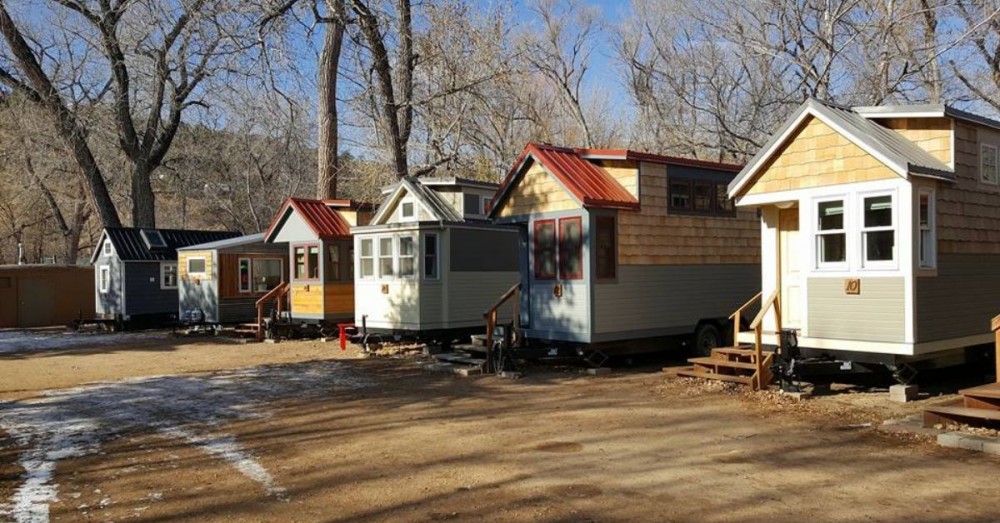
A few years ago, people treated the whole tiny house thing like a Pinterest fantasy. Cute photos. Loft beds. Maybe a weekend cabin idea. But now? It’s different. Folks are seriously searching for a tiny house for sale because regular housing prices have gone a little wild. Rent’s climbing. Mortgages feel heavy. A small home suddenly looks… reasonable.
And honestly, tiny homes make sense. Less space, less junk, less cleaning. Some people want freedom. Some want affordability. Others just want a place that doesn’t feel like a financial trap. Tiny homes aren’t for everyone, sure. But the demand is real now. You can see it everywhere, especially in places like Colorado where land and housing prices keep creeping upward.
What People Actually Mean When They Search Tiny House For Sale
When someone types tiny house for sale into Google, they’re not always looking for the same thing. Some want a movable tiny home on wheels. Others are searching for a legal tiny house they can place in a backyard or small lot. And then there’s the crowd hunting for a tiny home kit they can assemble themselves.

It gets confusing fast.
A tiny house for sale Colorado might mean a mountain cabin under 400 square feet. Or it could mean a prefab unit ready to drop onto a foundation. Different rules. Different zoning. Different price tags. Buyers often start with the idea of “cheap small house,” but pretty quickly they realize location laws matter more than the square footage.
The Legal Side Of Tiny Homes (Yeah, It Matters)
Here’s where things get messy.
A lot of people buy a tiny house and then realize they have nowhere legal to put it. That’s not a fun surprise. Cities and counties all treat tiny homes differently. Some allow them as primary residences. Some only allow them as Accessory Dwelling Units, which is where an ADU builder comes into the picture.
If you want a backyard tiny home that’s actually legal, an experienced ADU builder usually knows the zoning rules, permits, setbacks, utility hookups, all the boring but critical stuff. It saves time. Sometimes headaches too. A legal tiny house might cost a bit more upfront, but it avoids the nightmare of building something the city later says you can’t use.

Why ADU Builders Are Suddenly In High Demand
There’s a quiet shift happening in housing. Cities need more units, but nobody wants giant apartment towers popping up in every neighborhood. So municipalities are turning toward ADUs. Small homes. Backyard cottages. Garage conversions.
That’s why a skilled ADU builder is suddenly busy.
They’re building compact homes that fit behind existing houses, often around 400 to 800 square feet. Not exactly tiny, but close enough. For buyers searching a tiny house for sale, this option opens a new path. Instead of buying land, they can add a small home to family property or rental lots.
It’s practical. Sometimes surprisingly profitable.
Tiny Homes Can Be Affordable… But Not Always Cheap
There’s this myth floating around that tiny homes cost $20,000.
Sometimes they do. But not usually.
A well-built tiny house with insulation, plumbing, electrical, and real materials can easily run $60,000 to $120,000. Especially in markets like Colorado where building standards are strict. Add land, utilities, permits, suddenly the price climbs.
Still, compared to a $600,000 house, it’s a different universe.
Many buyers start with a tiny home kit to save money. Others hire an ADU builder who handles the design and permitting. Different routes, same goal really. A smaller, simpler place to live.
The Lifestyle Shift Nobody Talks About Enough
Tiny homes force decisions.
You can’t keep everything. Closets shrink. Storage disappears. People imagine the cozy Instagram version of tiny living, but the real version involves sorting through years of accumulated stuff.
And weirdly, that’s part of the appeal.
When someone buys a tiny house for sale, they’re often chasing a reset. Less clutter. Lower bills. Maybe a slower pace. Some want mobility. Others want independence from huge mortgages.
It’s not perfect though. Tiny living works best for people who actually enjoy simplicity. If you hate tight spaces… well, a 250-square-foot home might test your patience pretty quickly.
Why Colorado Is A Hot Market For Tiny Houses
Colorado keeps popping up in tiny home searches. There’s a reason.
Outdoor lifestyle. High housing prices. And a culture that doesn’t mind smaller, efficient living spaces. So searches like tiny house for sale Colorado show up constantly online.
But again, zoning matters.
Some counties are friendly to tiny homes. Others require minimum square footage or permanent foundations. That’s where experienced builders step in again. A local ADU builder understands the regulations and designs homes that actually pass inspections.
Without that knowledge, buyers sometimes end up with beautiful homes they legally can’t place anywhere. Not ideal.
Finding The Right Tiny House Without Regretting It Later
Buying small is easy. Buying smart takes a bit more thought.
You need to consider parking, utilities, insulation, resale value, even ceiling height if there’s a loft. Many people fall in love with the first tiny house they see online, but practical details matter more than cute design.
A good ADU builder will usually walk buyers through these realities. Drainage. Permits. Hookups. The not-so-glamorous side of building small homes.
And honestly, that guidance makes a difference. Because a well-planned tiny home can last decades. A rushed one might turn into an expensive lesson.
Conclusion
The surge in searches for tiny house for sale isn’t random. Housing costs are pushing people to rethink how much space they actually need. Some want financial breathing room. Others want simplicity. A few just want a backyard home for family or rental income.
Tiny houses aren’t magic solutions. They come with zoning rules, building costs, and lifestyle adjustments. But when done right — often with help from a knowledgeable ADU builder — they offer something traditional housing sometimes forgets.
Freedom. Lower overhead. A place that feels manageable.
Small homes. Big shift.





