
Introduction
Imagine you’re trying to figure out if an egg is hard-boiled or raw without cracking it open. You could spin it, feel the weight, or listen to the sound it makes on a table. In the world of massive industrial machinery, oil pipelines, and skyscraper beams, we do something very similar, but with much higher stakes. This process is called Non-Destructive Testing, or NDT.
The whole idea behind NDT is to check the health of an object—looking for cracks, thinning metal, or hidden air bubbles—without actually breaking, cutting, or damaging the part itself. It’s the ultimate way to ensure safety and quality while keeping the equipment exactly as it is. Think of it as a medical check-up for machines where we use X-rays and ultrasounds to see what’s happening beneath the surface before a small issue turns into a big, expensive problem.
How Does NDT Inspection Work? The Basics
When we talk about how these checks actually happen, it’s less about brute force and more about using the laws of physics to our advantage. Essentially, we send some form of energy—like sound waves, light, or electricity—into a material and watch how it reacts. If the material is perfect, the energy flows through smoothly. If there’s a hidden crack or a weak spot, that energy hits a speed bump and bounces back differently.

NDT Inspection Dubai: Why Location Matters
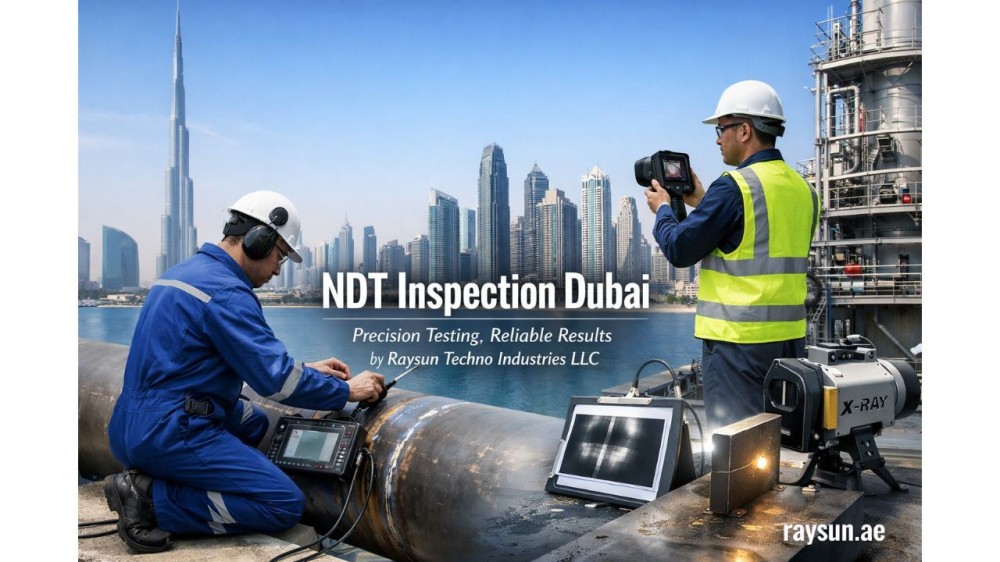
In a fast-paced hub of construction and energy like the Middle East, the environment plays a huge role in how we test materials. When performing NDT Inspection Dubai projects, teams have to account for extreme heat and humidity, which can cause metal to expand or corrode faster than in cooler climates. Because of these unique conditions, the inspection process isn't just a "one size fits all" routine; it’s a specialised craft that requires understanding how local elements affect the integrity of a structure.
The Toolkit: Common Ways We See Inside
-
Listening with Sound: We use high-frequency sound waves that travel through metal. If they hit a gap, they echo back, telling us exactly where the flaw is.
-
Using Magnets: By turning a metal part into a temporary magnet and dusting it with iron powder, we can see invisible surface cracks as the powder bunches up around the leak in the magnetic field.
-
Glowing Dyes: Sometimes we soak a part in a bright, fluorescent liquid. After wiping it off, the dye that stayed trapped in tiny cracks glows under a special light, revealing hidden fractures.
Core Methods and Benefits: Choosing the Right Strategy
Every project has a different personality, which means we have to choose the right method for the job. You wouldn't use a sledgehammer to hang a picture frame, and you wouldn't use a heavy X-ray machine when a simple dye test would do. The goal is always to get the most accurate data with the least amount of disruption to the workflow.

Why Do Industries Love NDT?
The perks go far beyond just finding cracks. It’s about the peace of mind that comes with knowing a bridge won't fail, or a pipe won't leak. Here are a few reasons why this approach is the gold standard:
-
Zero Waste: Since we don't destroy the sample, there is no lost inventory or wasted material.
-
Safety First: It catches invisible dangers before they lead to accidents, protecting both the environment and the people on site.
-
Saving Money: It is much cheaper to fix a tiny hairline fracture today than to replace an entire engine or pipeline tomorrow.
-
Deep Insight: Using a professional ultrasonic flaw detector allows us to see deep into the heart of thick steel, providing a level of detail that the human eye simply can't reach.
Key Features of a Successful Inspection
A great inspection isn't just about the fancy gadgets; it’s about the person behind the machine and the process they follow. It requires a mix of patience, sharp eyes, and a deep understanding of how materials behave under pressure.
What Makes a Quality Check Stand Out?
-
Precision: The ability to find flaws that are smaller than a grain of sand.
-
Speed: Modern NDT tools deliver real-time results, so a factory doesn't have to shut down for days to run a safety check.
-
Portability: Many of these tools are now handheld, allowing inspectors to climb onto oil rigs or crawl into tight spaces to complete the job.
Steps in a Typical Inspection
-
Preparation: Cleaning the surface so dirt doesn't hide any real issues.
-
Application: Running the chosen test (sound, magnets, or light).
-
Interpretation: Looking at the data and deciding if a blip on the screen is a danger or just a minor scratch.
-
Reporting: Documentation that proves the equipment is safe to operate.
Also Read: Robotic Laser Welding: Revolutionising Precision Manufacturing
Conclusion
At the end of the day, NDT is about seeing the unseen. It’s a blend of science and detective work that keeps our world running smoothly and safely. Whether it’s a massive skyscraper or a small engine part, these non-invasive health checks ensure that everything we build is strong enough to stand the test of time.
If you are looking for a partner to help you navigate these technical waters and ensure your equipment meets the highest standards, Raysun Techno Industries LLC is here to provide expert guidance and top-tier inspection services tailored to your specific needs. Keeping your operations safe isn't just our job—it's our passion.





