

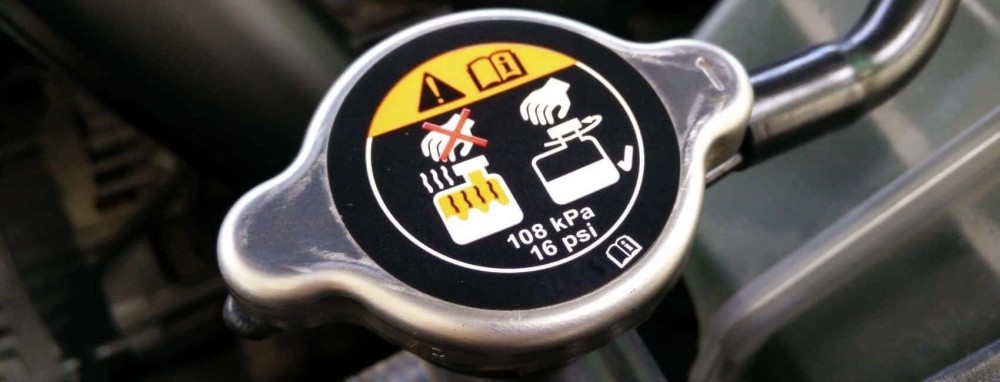
The radiator cap is one of the most neglected parts of the coolant system that keeps your car's engine operating at a safe temperature. A broken radiator cap can cause major problems like engine overheating or coolant loss, despite being small and frequently disregarded. You can avoid headaches and save money by identifying the symptoms early.
White streaks and leaks in the coolant
Leaking coolant is one of the first signs that a radiator cap is failing. Your cooling system is a sealed environment, designed to maintain pressure and keep coolant circulating efficiently. Coolant may leak out of the cap when it's not working properly, occasionally collecting underneath your car. The coolant might not even touch the ground in other situations. Instead, it might evaporate when it comes into contact with the hot engine and leave behind white streaks on the radiator's surface. The fact that the cap isn't preserving the integrity of the system is evident from these streaks.
Coolant Levels That Are Constantly Low
Coolant levels in a properly sealed cooling system should remain constant. The frequent need to top off coolant is an indication that something is wrong. Coolant may escape or boil off under pressure due to a malfunctioning radiator cap that fails to keep it in its proper place. If left unchecked, this eventually results in persistently low coolant levels, which can impair engine performance and raise the possibility of overheating.

The heater core, which uses coolant to generate warm air, can also be impacted by low coolant levels in addition to the radiator. The water pump and other parts may be strained by driving with consistently low levels, raising the possibility of future, more costly repairs. Checks on a regular basis can stop minor leaks from becoming larger problems.
Overflowing reservoir
The system's pressure is also controlled by the radiator cap. The cap permits extra fluid to enter the reservoir as coolant heats up and pressure increases. If this is not adequately controlled by a faulty cap, too much coolant may enter the reservoir and possibly overflow. In addition to wasting coolant, this suggests that the cap isn't keeping the proper pressure, which is necessary for effective cooling.
Additionally, traces of dried coolant left by an overflowing reservoir may corrode adjacent metal components or leave a sticky residue that draws dirt to the engine bay. Ignoring it could even harm hoses or sensors attached to the reservoir, turning the minor issue of a malfunctioning cap into a more serious cooling system problem.
Overheating of the engines
When the radiator cap fails to properly pressurize the system, the boiling point of the coolant decreases. This lowers the efficiency of the cooling system and may cause the engine to overheat.
A faulty cap may raise the engine temperature above safe limits even when driving normally. Overheating is risky because, if left untreated, it can cause serious, frequently irreversible engine damage.

Frequent overheating can harm gaskets or warp the cylinder head, in addition to harming engine parts and necessitating expensive repairs. If the engine suddenly shuts off, it may also activate the car's warning systems and leave you stranded. Early repair of a damaged radiator cap keeps your engine operating dependably and avoids these cascading issues.
The engine or radiator's steam
Steam escaping from the radiator or the cap itself is another obvious red flag. The radiator cap is intended to raise the boiling point of the coolant and pressurize the system. If it's broken, the coolant might boil too soon, creating steam that can be seen. This is more than just a minor annoyance; it indicates that the cooling system isn't operating properly, and damage needs to be avoided right away.
Additionally, steam can be a dangerous sign that coolant is leaking internally, such as into the combustion chamber or onto hot engine surfaces. In addition to the possibility of burns in the Toyota Land Cruiser truck, persistent steam can erode paint and rubber parts surrounding the engine bay, causing the car to progressively deteriorate. Safety and the longevity of the vehicle depend on prompt action at the first hint of steam.bbbbbbbbbbbbb
The Workings of the Radiator Cap
The radiator cap serves a number of vital purposes despite its compact size. It increases the boiling point of the coolant and pressurizes the cooling system to boost efficiency. It also relieves excess pressure by sending extra coolant to the reservoir, seals the system to keep air out, and regulates coolant flow back into the radiator as it cools. The system becomes vulnerable and the aforementioned symptoms start to show up when any of these functions malfunction.
How to Find and Replace the Radiator Cap
On the left, right, or occasionally in the middle of the radiator, the majority of radiator caps are easily found at the top. Pressing down and turning counterclockwise is necessary to remove it, but it's important to do this only after the engine is fully cool. Burns and significant fluid loss may result from a hot radiator's violent release of pressurized coolant.
One of the easiest and least expensive maintenance jobs is replacing a radiator cap. Installing a new cap only takes a few seconds and usually costs $5 to $25. This is an easy DIY project because labor is frequently free or very little. Just make sure the engine has cooled for a few hours, remove the old cap, and tighten the new one in a clockwise direction. This minor action can avert more significant issues later on.
Why It's Important to Pay Attention
The radiator cap is crucial for regulating the engine's temperature and safeguarding other cooling system parts, despite its easy neglect. In addition to preventing overheating, replacing a malfunctioning cap as soon as possible guarantees that your coolant circulates correctly, minimizing wear on the radiator, hoses, and other components. The longevity and dependability of your car are greatly impacted by this tiny and reasonably priced part.





