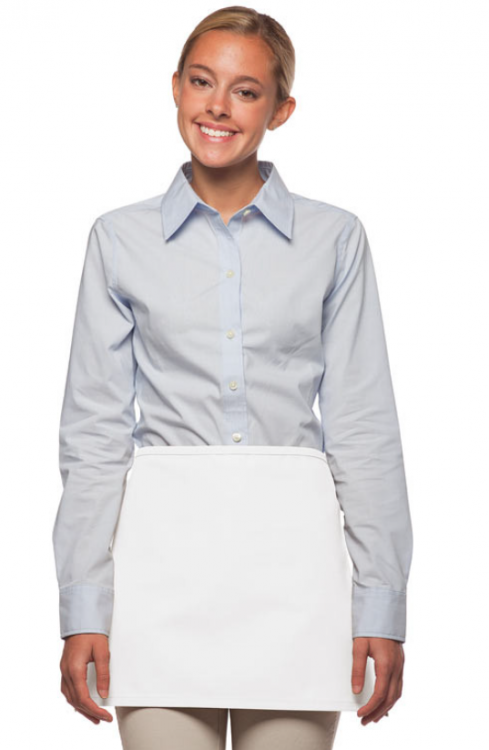
The white apron has long been a symbol of professionalism, cleanliness, and dedication across many industries. From busy restaurant kitchens to medical clinics and laboratories, this simple garment serves a practical purpose while also representing trust and expertise. Its bright, clean appearance reflects high standards of hygiene and care, making it an essential part of workwear for many professionals.
Although it may appear simple at first glance, the white apron plays an important role in protecting clothing, supporting hygiene, and creating a professional image. Over time, it has become a familiar sight in workplaces where precision, cleanliness, and reliability matter the most. Whether worn by chefs, doctors, artists, or technicians, the white apron continues to prove its value in daily tasks.
A Symbol of Cleanliness and Trust
One of the most powerful associations with a white apron is cleanliness. The color white naturally highlights stains and spills, encouraging workers to maintain high hygiene standards. This is especially important in environments where safety and sanitation are critical.
In medical clinics and laboratories, a clean white apron reassures patients that proper hygiene practices are being followed. It signals professionalism and attention to detail. Similarly, in food preparation environments, the white apron demonstrates that chefs and kitchen staff are working in a clean and controlled setting.
The visibility of dirt on white fabric also encourages frequent washing, ensuring that the garment remains sanitary. Because of this, white aprons have become a standard choice for many industries where cleanliness cannot be compromised.
Practical Protection for Everyday Work
Beyond symbolism, the white apron provides essential protection for workers. It acts as a barrier between clothing and potential stains, spills, or splashes. This protective layer is particularly useful in professions where exposure to food, liquids, chemicals, or art materials is common.
In kitchens, chefs often deal with oil splatters, sauces, and hot liquids. The apron helps prevent damage to clothing while keeping the wearer comfortable during long hours of work. In laboratories, technicians rely on aprons to protect their clothing from chemical exposure and accidental spills.
Artists, bakers, baristas, and even home cooks benefit from the practicality of this garment. By protecting clothing, the apron allows workers to focus on their tasks without worrying about mess or damage.

A Professional and Recognizable Look
Uniforms play an important role in establishing identity within a workplace, and the white apron contributes significantly to this visual recognition. When customers walk into a bakery, café, or clinic, seeing staff members wearing white aprons immediately signals professionalism and reliability.
This consistent appearance helps build trust between workers and the people they serve. For example, patients feel reassured when medical staff wear clean and organized work attire. Likewise, diners often associate white aprons with experienced chefs and skilled kitchen teams.
In many professions, the apron also reflects pride in one's work. Wearing it can create a sense of belonging and unity among team members, strengthening the workplace culture.
Versatility Across Different Industries
The adaptability of the white apron is another reason for its lasting popularity. It is not limited to a single profession but is used in a wide variety of industries.
Culinary Industry
Chefs and kitchen staff rely on aprons to protect against heat, grease, and spills. The white apron also highlights the cleanliness expected in food preparation areas.
Healthcare and Medical Fields
Doctors, nurses, dentists, and laboratory technicians often wear white aprons as part of their protective attire. The color symbolizes sterility and professionalism, which is crucial in healthcare environments.
Art and Creative Work
Painters, sculptors, and craft professionals frequently wear aprons to protect clothing from paint, glue, and other materials. The apron becomes a practical tool that allows artists to work freely without worrying about stains.
Retail and Service Roles
In bakeries, coffee shops, and catering services, aprons help staff maintain a polished and organized appearance while working efficiently.
This wide range of uses demonstrates how a simple garment can adapt to many professional needs.
Comfort and Functionality
Modern white aprons are designed with comfort and functionality in mind. They often include adjustable straps, durable fabrics, and useful pockets for carrying tools or small items. These features allow workers to stay organized and comfortable throughout their shifts.
Lightweight materials help keep the wearer cool during busy workdays, especially in environments like kitchens where temperatures can rise quickly. At the same time, durable fabrics ensure the apron can withstand frequent washing and heavy use.
Some designs also include reinforced stitching and stain-resistant materials, making them more practical for demanding workplaces. These improvements have helped the white apron remain relevant even as work environments continue to evolve.
Supporting Hygiene and Safety Standards
Maintaining hygiene is essential in many professional environments, and the white apron plays a key role in supporting safety practices. Because it can be easily removed and washed, the apron prevents contaminants from spreading between work areas.
In food preparation settings, staff members often change aprons throughout the day to maintain cleanliness. In medical environments, protective garments help reduce the risk of contamination between patients.
The white color also makes it easy to detect stains or spills immediately. This encourages quick cleaning and replacement, helping organizations maintain strict safety standards.
A Timeless Piece of Workwear
While workplace uniforms may change with fashion trends, the white apron has remained a constant presence. Its simple design and practical benefits have allowed it to endure for generations.
The apron’s timeless appearance also makes it suitable for both traditional and modern work environments. Whether used in a classic bakery or a contemporary laboratory, it continues to represent dedication, care, and professionalism.
In many cases, the white apron becomes a familiar and respected symbol of the work being performed. It reflects commitment to quality, whether the wearer is preparing food, conducting research, or providing medical care.
Choosing the Right Apron for Daily Use
Selecting a high-quality apron can make a noticeable difference in comfort and durability. Several factors should be considered when choosing the right one for professional or personal use.
Fabric Quality:
Cotton and poly-cotton blends are commonly used because they provide both comfort and durability.
Adjustable Fit:
Straps and ties allow the apron to fit different body types comfortably, ensuring freedom of movement.
Pocket Design:
Multiple pockets make it easier to carry tools, thermometers, pens, or other small items needed during work.
Ease of Cleaning:
An apron that can withstand frequent washing is essential for maintaining hygiene and longevity.
By focusing on these features, workers can ensure their apron remains functional and reliable during everyday tasks.
Conclusion
The white apron may seem like a simple garment, but its value goes far beyond appearance. It protects clothing, promotes hygiene, and creates a professional image in workplaces that demand precision and cleanliness. From busy kitchens to medical clinics and creative studios, the apron continues to support workers as they perform important tasks.
Its versatility, comfort, and timeless design have allowed it to remain a trusted part of professional attire for generations. Whether worn by chefs, healthcare professionals, artists, or service staff, the apron represents dedication to quality and care.
For those seeking reliable and professional workwear, choosing the right adult white apron ensures both practicality and a polished appearance in any work environment.