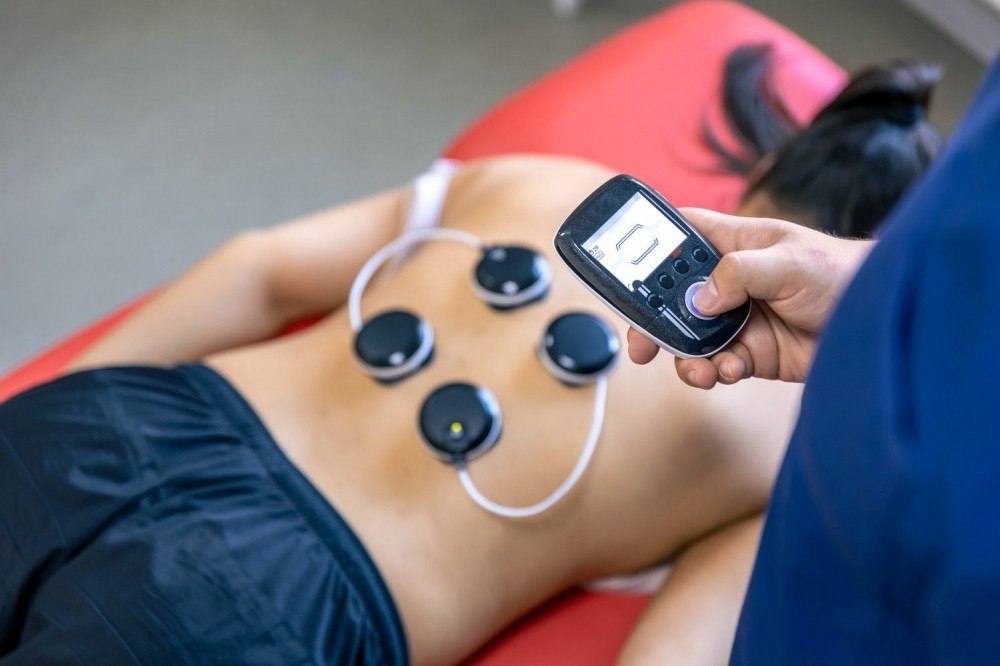
Interferential therapy is a popular electrotherapy technique used in physiotherapy to relieve pain, improve blood circulation, and promote tissue healing. A crucial factor that determines the success of this treatment is selecting the correct interferential therapy dosage. When applied properly, it can significantly enhance recovery while ensuring patient comfort and safety.
Interferential therapy works by using two medium-frequency electrical currents that intersect within the body’s tissues. This creates a low-frequency stimulation effect that penetrates deeper layers without causing discomfort on the skin. However, achieving the best results depends largely on adjusting the appropriate interferential therapy dosage based on individual needs.
Understanding Interferential Therapy Dosage
The term interferential therapy dosage refers to the combination of intensity, frequency, and duration used during treatment. Each of these elements plays a vital role in achieving therapeutic outcomes.

-
Intensity: The strength of the electrical current applied
-
Frequency: The rate of pulse delivery
-
Duration: The total time of each session
A balanced interferential therapy dosage ensures that patients feel a comfortable tingling sensation without pain, while still receiving effective treatment.
Importance of Correct Dosage
Choosing the right interferential therapy dosage is essential for both effectiveness and safety. If the intensity is too low, the therapy may not deliver noticeable benefits. If it is too high, it may cause discomfort or fatigue in the muscles.

Different treatment goals require different dosage settings. For example:
-
Pain relief may require lower frequency settings
-
Muscle stimulation may need moderate intensity
-
Circulation improvement may involve varied frequencies
This is why interferential therapy dosage must always be customised for each patient.
Factors Affecting Interferential Therapy Dosage
Several factors influence the ideal interferential therapy dosage:
-
Type of Condition: Acute injuries require different settings compared to chronic conditions.
-
Severity of Pain: Higher pain levels may need gradual intensity adjustments.
-
Area of Treatment: Larger muscle areas can tolerate different intensities than smaller areas.
-
Patient Sensitivity: Individual tolerance to electrical stimulation varies.
-
Therapy Goals: Whether the aim is pain relief, muscle activation, or healing support.
A physiotherapist carefully evaluates these factors before deciding on the correct interferential therapy dosage.
General Guidelines for Dosage
Although interferential therapy dosage varies for each individual, there are general guidelines followed in clinical practice. Treatment sessions typically last between 10 to 20 minutes. The intensity is gradually increased until a strong but comfortable sensation is achieved.
Frequency settings may differ depending on the goal of treatment. Lower frequencies are often used for pain relief, while different modulation patterns may be used for muscle stimulation. Continuous monitoring ensures that the dosage remains effective throughout the session.
Benefits of Proper Interferential Therapy Dosage
When the interferential therapy dosage is correctly adjusted, patients can experience several benefits:
-
Reduced pain and discomfort
-
Improved blood circulation
-
Faster healing of tissues
-
Reduced inflammation and swelling
-
Relaxation of muscles
-
Improved range of motion
These benefits contribute to faster recovery and better participation in rehabilitation programs.
Role of Professional Supervision
Interferential therapy should always be performed under professional supervision. Incorrect interferential therapy dosage may reduce effectiveness or cause discomfort. A qualified physiotherapist ensures that the dosage is adjusted safely according to the patient’s response and progress.
Regular monitoring also helps in modifying treatment plans as recovery improves, ensuring long-term benefits.
Conclusion
Understanding and applying the correct interferential therapy dosage is essential for achieving effective pain relief and successful rehabilitation. With the right balance of intensity, frequency, and duration, this therapy can significantly improve mobility, reduce discomfort, and promote healing.
For expert guidance and personalised electrotherapy treatment, Craniaa Neuro Rehab Centre offers specialised physiotherapy services designed to deliver safe, effective, and patient-centred care for long-term recovery.