

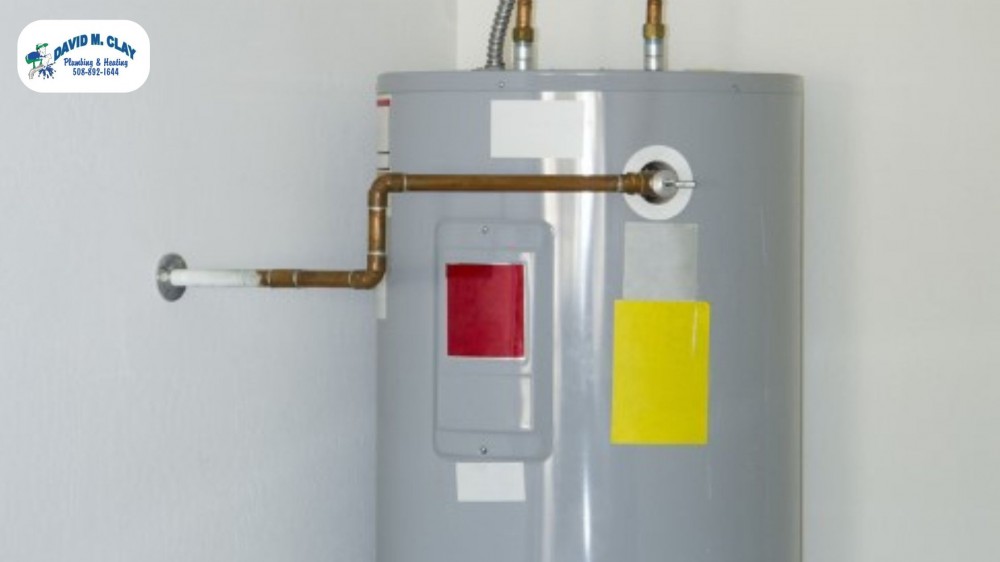
Replacing a failing water heater involves choosing between modern efficiency and long-term reliability while matching the specific needs of your household size. Most homeowners start looking for a replacement when they notice rusty water, odd banging sounds from the tank, or a complete lack of consistent warmth during showers. High-quality water heater installations in Worcester provide a fresh start with technology that lowers monthly energy bills and reduces the risk of sudden leaks. Choosing the right unit requires an objective look at your daily hot water demand and the physical space available in your utility area.
Signs Your Tank Is Near the End
Metal fatigue is a reality for any pressurized vessel that holds hot water for a decade or more. The internal lining of a traditional tank eventually cracks, allowing water to make direct contact with the steel outer shell. Once rust starts forming on the inside, a small drip quickly escalates into a significant flood. You might notice a metallic taste in the water or a slight brown tint when you first turn on the tap in the morning. These are clear warnings that the sacrificial anode rod has been depleted and the tank itself is now corroding.
Temperature fluctuations often signal that the heating elements or the thermostat is struggling to keep up. Electric models frequently suffer from sediment buildup that coats the bottom element, forcing it to work much harder to heat the water through a layer of mineral "mud." Gas models may experience burner issues or a failing pilot assembly that makes the system unreliable. Addressing these early indicators with professional hot water heater repair in Worcester can sometimes buy you another year or two of service. However, if the tank is over twelve years old, a repair is often a temporary patch for an inevitable replacement.
Impact of Local Water Quality
Mineral content in the local supply plays a massive role in how long your new appliance will last. Hard water contains high levels of calcium and magnesium that solidify when heated, creating a thick layer of scale at the bottom of the tank. This scale acts as an insulator, preventing heat from reaching the water and causing the metal at the base of the tank to overheat and weaken. Homeowners who ignore this buildup often find their heaters failing years before the warranty period ends.
- Install a Water Softener: Adding a softening system can double the lifespan of your water heater by removing the minerals before they enter the tank.
- Regular Flushing: Draining the sediment from the bottom of your heater once a year keeps the heat transfer efficient and the tank quiet.
- Anode Rod Checks: Replacing the magnesium or aluminum rod every three to five years protects the steel tank from corrosive forces.
Modern high-efficiency heaters are even more sensitive to scale because their heat exchangers have smaller, more intricate paths for the water to travel through. If you decide on a high-end condensing unit, a pre-filter or scale inhibitor is almost always a requirement to keep the manufacturer's warranty valid. Protecting the internal components from chemical wear ensures that the high efficiency you paid for remains consistent throughout the life of the machine.
Professional Setup and Safety Requirements
Safety remains the most important reason to have a professional handle the hookup of a new water heater. Gas units require precise venting to ensure carbon monoxide does not backdraft into your living space. The pressure relief valve must be piped correctly to a safe discharge point to prevent the tank from becoming a hazard if the thermostat fails. Even a small error in the gas line connection or the electrical wiring can lead to dangerous leaks or fire risks that homeowners might not spot until it is too late.
Local building codes often require specific upgrades during a new installation, such as the addition of an expansion tank or a mixing valve. An expansion tank handles the increased volume of water as it heats up, preventing the pressure from damaging your home's plumbing joints. Mixing valves allow you to keep the tank at a high enough temperature to kill bacteria while automatically cooling the water before it hits the tap to prevent scalding. These small additions are vital for a modern, safe plumbing system that meets all current legal requirements.
Selecting the Right Partner for the Job
Deciding on a new water heater involves balancing your immediate budget with your future energy goals. Clay Plumbing & Heating assists homeowners in making these decisions by evaluating the specific layout of the property and the hot water habits of the residents. They handle the removal of the old, heavy tank and ensure the new system is calibrated for maximum performance from the moment it is turned on. Because they see the results of various brands and models every day, they provide practical insights into which units hold up best against the local water conditions.

Clay Plumbing & Heating ensures that every installation meets the highest safety standards while optimizing the system for the best possible efficiency. Their technicians focus on clean, precise work that respects the home and provides lasting reliability. When the time comes to move away from an aging, leaky tank, they provide the technical skill needed to transition to a modern heating solution. Choosing a professional team means the transition is handled quickly, allowing your household to get back to its normal routine with the comfort of a reliable hot water supply.





