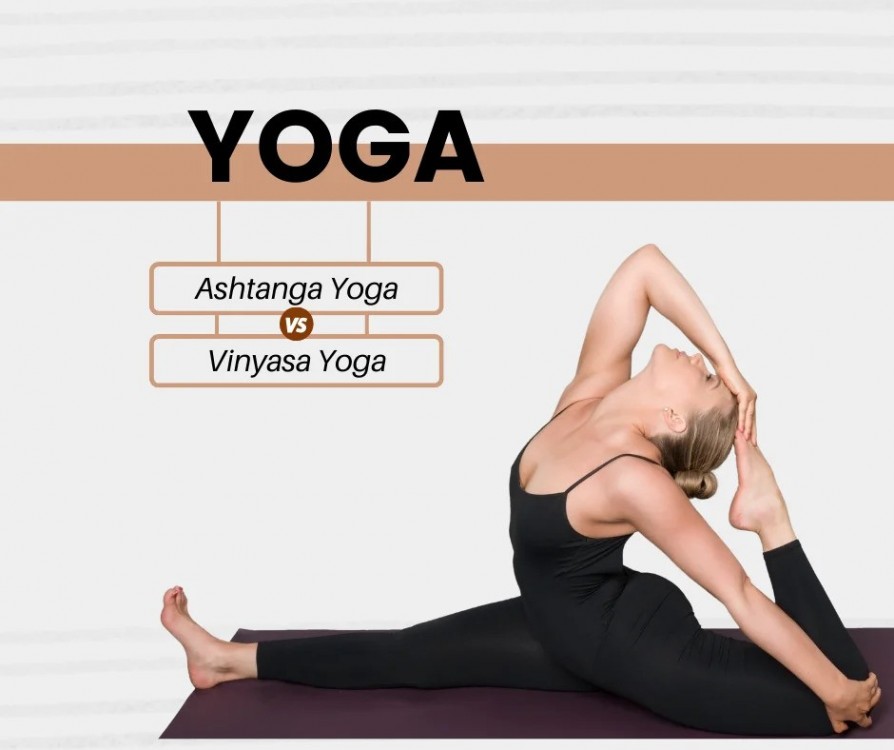
When exploring modern yoga practices, understanding ashtanga yoga vs vinyasa flow is essential for choosing a style that aligns with your goals, lifestyle, and fitness level. Both styles are dynamic, breath-centered, and widely practiced across the world, yet they differ significantly in structure, intensity, and overall experience.
Understanding Ashtanga Yoga
Ashtanga yoga is a traditional and highly disciplined practice that follows a fixed sequence of postures. Each pose is linked with breath using a technique called “vinyasa,” but unlike Vinyasa flow classes, the sequence remains the same every time. This consistency allows practitioners to track progress, build strength, and deepen focus over time. Ashtanga is physically demanding and requires dedication, making it ideal for those who enjoy routine, structure, and a challenging workout. It also incorporates elements like drishti (focused gaze) and bandhas (energy locks), which enhance concentration and internal awareness.

What is Vinyasa Flow?
Vinyasa flow, often simply called Vinyasa yoga, is a more flexible and creative style. While it also connects breath with movement, there is no fixed sequence. Each class can be different depending on the instructor’s approach, allowing for variety in pace, intensity, and themes. This makes Vinyasa flow more adaptable and accessible, especially for beginners or those who prefer a less rigid structure. Classes can range from slow and meditative to fast-paced and physically challenging, offering something for everyone.
Ashtanga Yoga vs Vinyasa Flow: Key Differences
The main difference between ashtanga yoga vs vinyasa flow lies in structure versus freedom. Ashtanga is predictable and disciplined, with a set progression of poses, while Vinyasa flow is dynamic and ever-changing. Ashtanga often has a more intense and physically demanding routine, whereas Vinyasa allows for modifications and creative sequencing. Additionally, Ashtanga is traditionally self-led once learned, while Vinyasa is typically guided by an instructor in a class setting.
Benefits of Each Style
Which One Should You Choose?
Choosing between ashtanga yoga vs vinyasa flow ultimately depends on your personal preferences and goals. If you thrive on routine, enjoy pushing your limits, and appreciate a traditional approach, Ashtanga may be the right fit. If you prefer creativity, variety, and a more relaxed structure, Vinyasa flow could be more suitable. Many practitioners even combine both styles to enjoy the benefits of each.
In the end, both Ashtanga yoga and Vinyasa flow offer powerful ways to improve physical health, reduce stress, and cultivate a deeper connection between mind and body. Trying both styles can help you discover which resonates most with your unique journey.