

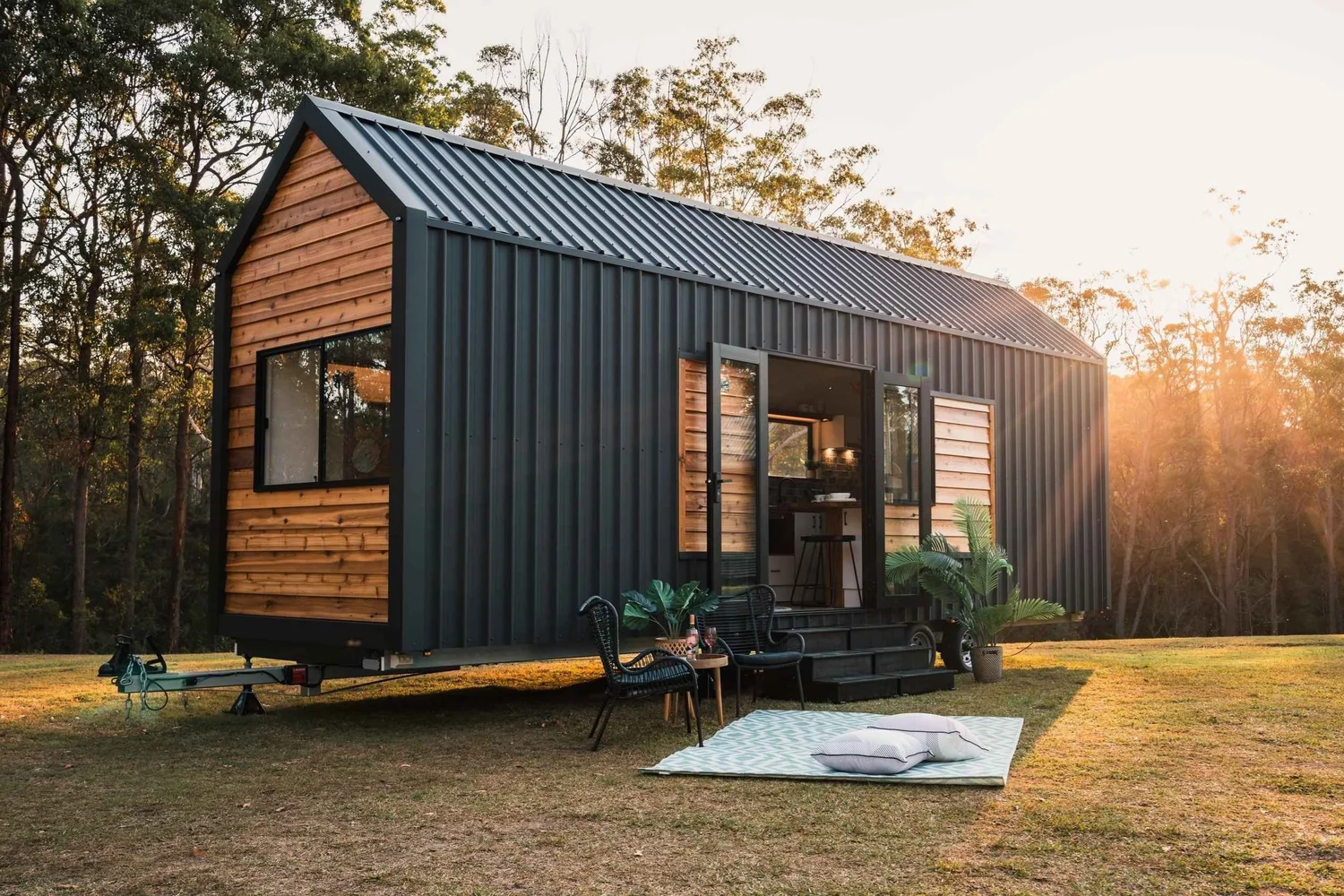
Tiny homes aren’t just some Instagram fantasy anymore. In Colorado, they’ve become a real housing option for people who are done with oversized mortgages and wasted space. You’ll see everything from mountain cabins on wheels to modern minimalist builds tucked outside cities. But here’s the thing—just because a listing says tiny home for sale Colorado, doesn’t mean it’s actually right for you.
You really have to dig beneath the surface. Much deeper than just the nice looking images and clever storage tips. Colorado is special in quite a few ways - weather, zoning, and natural features to name a few - and if the house is not designed for those things, you will notice it quickly. Freezing nights won't care how visually tiny your home is
Size Isn’t Everything, But Layout Is
For many people, the biggest concern is square footage. 200 vs 300 vs 400 square feet. The truth? That number makes less difference than the way the space is being used. A well-thought-out 220 sq ft home can actually be more spacious than a less efficiently planned 350 sq ft one. It's all about the flow. Picture the layout in your mind.

Is there enough room to move about without constantly running into things? Is the kitchen still targetable or just a pretty feature? The location of the loft is a big factor too - if you have to crouch every night, it will soon get very tiresome. Tiny houses require clever design, not just tiny rooms.
Insulation Matters More Than You Think
Colorado winters are no joke. If you’re buying a tiny home here, insulation is not optional—it’s survival-level important. Spray foam, rigid foam board, even sheep’s wool… it all matters. Cheap insulation will cost you later in heating bills and comfort.
Ask what the R-values are. Most sellers won’t volunteer unless you ask. And if they can’t answer? That’s a red flag. A good tiny home for sale in Colorado should already be built with cold weather in mind, not as an afterthought.
Windows: Light vs Heat Loss
Big windows look amazing. Mountain views, natural light, all that good stuff. But in Colorado, windows can also be your biggest heat leak. You want a balance here, not a glass box that freezes at night.

Double-pane is the minimum. Triple-pane if you can get it. And placement matters too—south-facing windows help with passive solar heating. That’s not just a fancy term. It actually makes a difference when you’re trying to stay warm without burning through propane.
Power Setup: Off-Grid or Hooked In?
This one depends on your lifestyle. Some buyers want full off-grid setups with solar panels, batteries, composting toilets—the whole thing. Others just want a tiny house that connects to standard utilities like a regular home.
If you are looking at a tiny home for sale in Colorado, for instance, don’t assume anything. What’s the electrical system like? Is it designed for an RV hookup? Does it accommodate solar panels? How much power does it really provide? You don’t want to discover later that you cannot run your heater and your microwave at the same time.
Water and Plumbing Realities
Tiny home water systems are also very complicated, especially if you live somewhere cold. Pipes freeze. Tanks run out. Things break when the temperature goes below zero, which it will.
What’s the plumbing situation like? Are the pipes insulated? Is there a tankless water heater or a tank system? Where is everything located? Plumbing that is not kept in a heated space is a red flag. It might work in the summer, but come winter, all problems will be exposed.
Storage: The Make-or-Break Factor
Tiny homes live or die in storage. You don’t realize how important it is until you don’t have enough. Every inch counts. Under stairs, built-in shelves, hidden compartments—these aren’t luxuries, they’re necessities.
When checking a tiny home for sale in Colorado, imagine your actual stuff inside it. Clothes, kitchen gear, random life clutter. Where does it all go? If the answer isn’t obvious, you’ll end up frustrated fast. And clutter in a tiny space feels ten times worse.
Trailer and Build Quality
If it’s a tiny house on wheels, the trailer is basically the foundation. And not all trailers are created equal. Some are built specifically for tiny homes, others are repurposed and… questionable.
Check the frame. Rust, weld quality, ratings on axles, etc. This isn't exactly glamorous, but it's important. A poorly constructed frame can be a disaster waiting to happen if you ever plan on moving the house, or even just leaving it sitting for a long period of time. Good craftsmanship can be identified in the details, not just the overall appearance.
Bathroom Setup: Be Honest With Yourself
Tiny home bathrooms are where reality hits. Composting toilets, wet baths, tight spaces—it’s not for everyone. Some people love the simplicity. Others regret it within weeks.
Think about your comfort level. Can you handle a smaller shower? Are you okay maintaining a composting system? Or do you need something closer to a traditional setup? A tiny home for sale Colorado should match your lifestyle, not force you into something you’ll hate.
Location and Zoning Can Kill the Deal
Here’s the part most listings don’t highlight enough—where you can actually park or place the home. Colorado has a patchwork of zoning rules, and not all counties welcome tiny homes, especially on wheels.
Before you get attached to any property, check local regulations. Some areas allow them as accessory dwelling units. Others don’t allow them at all. It’s frustrating, yeah, but ignoring it can cost you big later. A perfect tiny house means nothing if you can’t legally live in it.
:max_bytes(150000):strip_icc()/portable-prefabricated-tiny-house-60bb4eb5d2934e17a58ab41ab2e4e96a.jpg)
Price vs Long-Term Value
It’s easy to get pulled in by a low price. A cheap tiny home sounds great—until you realize why it’s cheap. Poor insulation, bad materials, questionable wiring… those savings disappear fast.
Look at long-term value instead. Will this home last? Can it handle Colorado weather year after year? Sometimes paying more upfront saves you a ton of stress later. And honestly, peace of mind is worth it when you’re living in a smaller space.
Conclusion: Don’t Skip the Legal Side of Tiny Living
At the end of the day, buying a tiny home is not just about the bells and whistles, or how pretty it is. It’s about whether the whole thing works, period. Especially in a state like Colorado, where the weather and rules can get complicated in a hurry. You want something that feels solid, that feels like it works, and doesn’t feel like a constant work-around.
And yeah, you absolutely need to understand the Building Codes for a Legal Tiny House on Wheels before signing anything. This part gets ignored way too often. Zoning laws, safety standards, road regulations—they all matter more than people think. A tiny home for sale in Colorado might look perfect, but if it doesn’t meet legal requirements, you’re stepping into a mess.
Take your time. Ask questions. Be a little skeptical. The right tiny home is out there—but it’s the one that works in real life, not just on a listing page.





