

Walk past any active construction site and you will notice something interesting. There is movement everywhere. Workers, machinery, materials arriving and leaving. It feels busy, almost chaotic at times.
Yet, behind that movement, there is supposed to be order.
That order is what construction project management is really about. Not just keeping things moving, but making sure they move in the right direction. On time, within budget, and without avoidable surprises.

In earlier years, success was often measured in simple terms. Was the project delivered? Was it within cost? Those questions still matter. But today, they are only part of the story.
Now, success includes how smoothly the process unfolded, how well risks were handled, and whether the final outcome actually works for the people who use the space.
Let us take a closer look at what truly defines success now.
It Starts Much Earlier Than the First Brick
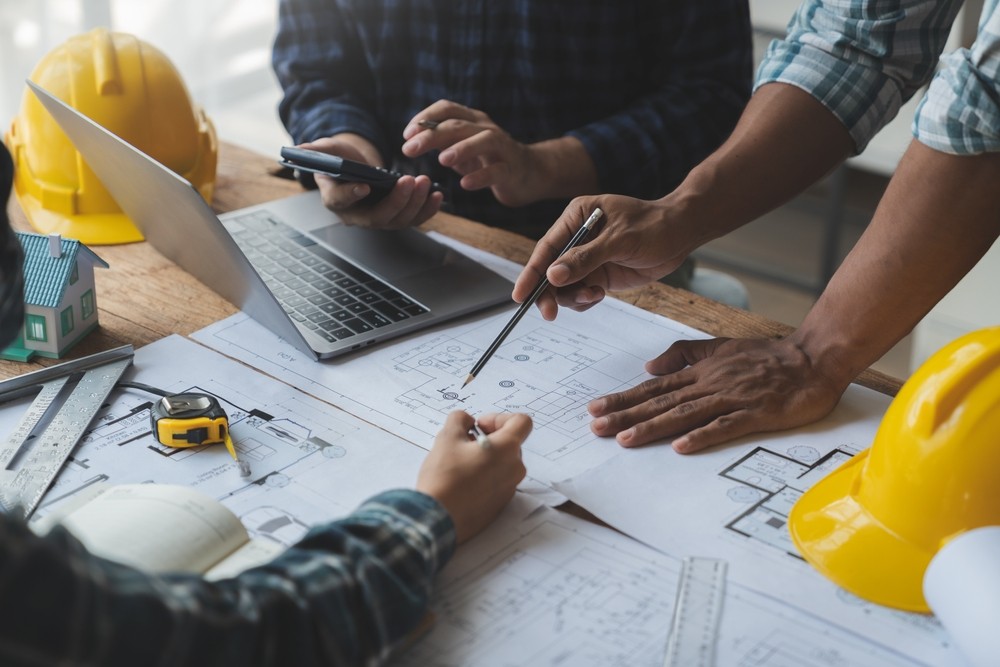
A well-managed project does not begin on site. It begins long before that, often at a desk with drawings, estimates, and a lot of questions.
Early planning sets the tone.

If the scope is unclear at the start, the project will struggle later. If budgets are loosely defined, adjustments become inevitable. If timelines are unrealistic, delays are almost guaranteed.
Strong early-stage planning usually includes:
- Clear definition of project scope
- Detailed budgeting with contingency allowances
- Realistic timelines based on site conditions
- Identification of potential risks
It may feel slow at the beginning. But that patience pays off once work begins.
Clarity in Roles and Responsibilities
On a construction site, many teams work at once. Contractors, consultants, suppliers, supervisors. Without clear roles, overlap happens. And with overlap comes confusion.
One of the quieter markers of good project management is clarity.
Everyone knows what they are responsible for. More importantly, they know what they are not responsible for.
This reduces friction.
|
Role |
Key Responsibility |
|
Project Manager |
Overall coordination and decision-making |
|
Contractor |
Execution of on-site work |
|
Consultant |
Technical guidance and compliance |
|
Supplier |
Timely delivery of materials |
It sounds basic, but when roles are unclear, even simple tasks take longer.
Communication That Is Consistent, Not Occasional
There is a tendency to communicate only when something goes wrong. That approach rarely works.
Successful projects maintain a steady rhythm of communication. Updates are shared regularly, not just during crises.
- Weekly progress reviews
- Daily site briefings
- Clear documentation of decisions
- Immediate reporting of issues
This consistency builds alignment. It also prevents small problems from turning into larger ones.
Managing Time Without Rushing the Work
Timelines are always under pressure. Deadlines matter, especially in commercial real estate. But there is a difference between working efficiently and rushing. Rushed work often leads to rework. Rework leads to delays. It becomes a cycle.
A better approach involves:
- Breaking the project into manageable phases
- Tracking progress against clear milestones
- Allowing buffer time for critical activities
It is not about slowing down. It is about moving steadily, without unnecessary setbacks.
Cost Control That Goes Beyond Estimates
Budgets are set early, but they rarely remain unchanged without careful monitoring. Material costs fluctuate. Design changes occur. Unexpected site conditions appear. Successful project management keeps a close watch on costs throughout the lifecycle.
Here is a simple breakdown:
|
Cost Element |
Risk |
Control Approach |
|
Materials |
Price variation |
Early procurement planning |
|
Labour |
Productivity changes |
Regular monitoring |
|
Design Changes |
Scope expansion |
Approval controls |
|
Delays |
Extended expenses |
Timeline tracking |
Cost control is not about cutting corners. It is about making informed decisions at the right time.
Quality Is Built, Not Inspected Later
There is a common misconception that quality can be checked at the end. In reality, it is built step by step.
Each stage contributes.
- Material selection
- Workmanship on site
- Adherence to design specifications
Waiting until the final stage to review quality often reveals issues that are expensive to fix.
Instead, successful teams:
- Conduct regular inspections during execution
- Maintain quality checklists
- Address deviations immediately
It requires discipline, but it protects the final outcome.
Risk Management That Feels Practical
Every project carries risk. Weather conditions, supply delays, regulatory changes. The list is long.
The difference lies in how those risks are handled.
Rather than reacting to issues as they arise, effective teams plan for them.
- Identify potential risks early
- Assess their impact
- Prepare response strategies
Not every risk can be avoided. But many can be managed with preparation.
Integration with Long-Term Operations
A project does not end when construction finishes. It transitions into operation. This is where coordination with property management services becomes important. Decisions made during construction affect how the building performs later.
- Ease of maintenance
- Energy efficiency
- Layout functionality
Projects that consider operational needs early tend to perform better over time.
Interestingly, teams that work closely with property management services during the planning stage often identify practical improvements that might otherwise be missed.
Technology as a Support, Not a Replacement
Digital tools have become part of modern construction. Project tracking software, digital drawings, real-time reporting. They help. They improve visibility. But they do not replace judgment.
Technology works best when it supports decision-making, not when it replaces it. A well-informed manager still needs to interpret the data, not just collect it.
The Human Element Still Matters
Construction is, at its core, a human activity. Machines assist. Technology guides. But people make decisions. Motivation, accountability, and collaboration all influence outcomes.
Projects that maintain a positive working environment tend to run more smoothly. Conflicts are resolved faster. Teams stay aligned.
It is not always discussed, but it is noticeable on site.
A Practical Snapshot of Success Factors
To bring everything together:
|
Factor |
What It Means in Practice |
|
Planning |
Clear scope, realistic timelines |
|
Communication |
Regular, structured updates |
|
Cost Control |
Continuous monitoring |
|
Quality |
Built into each stage |
|
Risk Management |
Prepared, not reactive |
|
Integration |
Alignment with operations |
|
Team Coordination |
Defined roles and collaboration |
None of these stand alone. They work together.
Final Thoughts
Successful construction project management today is not defined by a single outcome. It is defined by how the entire journey unfolds.
Projects that stay organised without becoming rigid, that adapt without losing direction, and that deliver spaces which function well over time, tend to stand out.
The process may look similar from the outside. But the difference lies in how carefully each stage is handled.
For organisations navigating complex developments, including specialised segments like hospitality real estate for sale, having experienced guidance can shape outcomes in meaningful ways. Firms such as Colliers continue to support projects with a broader understanding of both construction and long-term real estate performance.





