

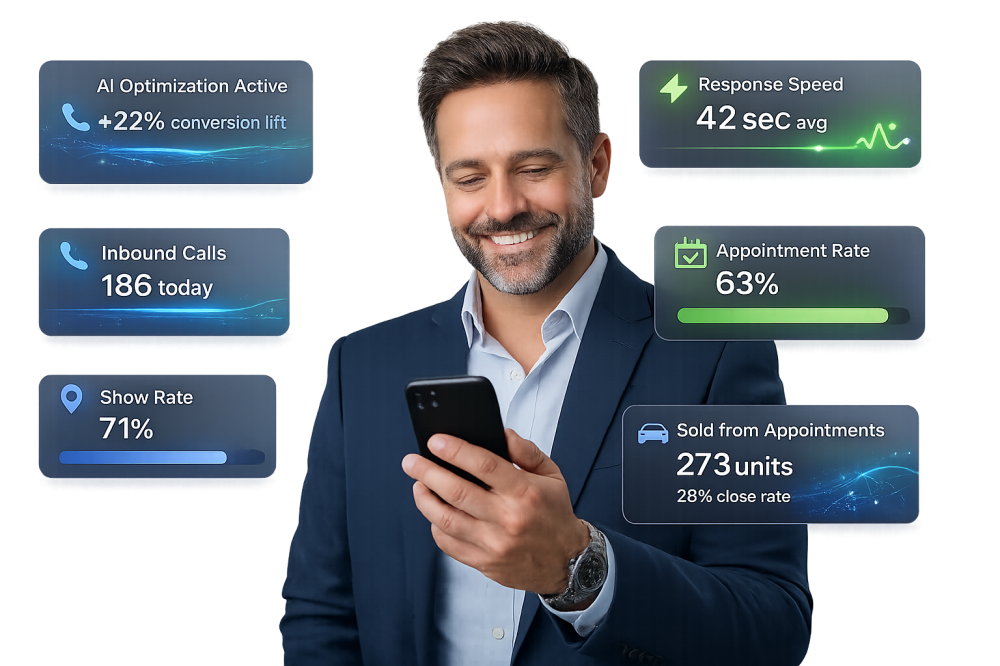
In today’s rapidly evolving automotive landscape, dealerships face intense competition, ever‑higher customer expectations, and the challenge of capturing hard‑earned leads before they disappear. The traditional dealership model focused solely on floor sales teams and walk‑ins no longer suffices. Instead, dealerships must innovate around lead engagement, customer communication, and conversions—and this is where an Automotive bdc becomes essential.
An Automotive Business Development Center (BDC) is more than a call‑handling unit or an administrative team. It has evolved into a strategic revenue driver that captures, nurtures, and converts leads into showroom appointments and long‑term customers. With the advent of AI‑powered BDC solutions like BDC.AI, this function is now more powerful and effective than ever.
In this comprehensive article, we’ll explore what an Automotive BDC is, how it works, why it matters, and how AI is reshaping its role in dealership operations.

What Is an Automotive BDC?
An Automotive BDC (Business Development Center) is a dedicated department or system within a dealership that handles customer engagements across multiple stages of the buying and ownership journey. Its primary role is to ensure that every inquiry—whether through phone, web form, text, email, or chat—is captured, qualified, and nurtured until it converts into a showroom visit, appointment, or sale.
In essence, Automotive BDC functions as the customer engagement engine of the dealership, bridging the gap between initial interest and showroom conversions.
Core Responsibilities of an Automotive BDC
A fully‑functional Automotive BDC typically handles:
- Managing inbound and outbound customer communications
- Qualifying and scoring leads based on intent
- Scheduling appointments for sales visits or service‑related needs
- Following up consistently to drive conversions
- Maintaining customer engagement throughout the buying process
Traditionally, BDCs relied on human staff working regular business hours. However, increasing customer demand for instant responses and round‑the‑clock availability has shifted the model toward automation and AI support.
Why Automotive BDC Matters
1. Faster Response Time Equals Higher Conversions
The automotive consumer journey now begins online. A customer who fills out a form, clicks a call button, or sends a text expects a response within minutes, not hours.

Industry data shows that leads responded to within five minutes are dramatically more likely to convert.
Modern Automotive BDCs, especially those enhanced by AI, can respond to customer inquiries in seconds, ensuring no lead slips away due to delayed follow‑ups.
2. Consistent Communication Improves Customer Experience
Automotive BDCs standardize and manage communication across all channels, ensuring customers receive consistent messaging and follow‑ups. A personalized, timely response in the early stages builds trust and encourages deeper engagement.
Instead of missing callbacks or losing messages in inboxes, a well‑structured BDC ensures proactive outreach and a seamless customer experience.
3. Dedicated Focus on Leads Helps Sales Teams Close More Deals
BDC teams — or AI agents — handle early‑stage customer engagements and appointment setting, freeing up sales staff to focus on closing deals and delivering a personalized experience during face‑to‑face interactions.
This division of labor improves efficiency and reduces the chance of sales reps being overwhelmed with administrative tasks.
How Automotive BDC Works
At its core, an Automotive BDC captures and nurtures customer interest from the first interaction to conversion. Here’s how this works in practice:
Lead Capture
Customer inquiries come from various sources, such as:
- Dealership websites
- Paid ads
- Third‑party marketplaces
- Phone calls
- Walk‑ins
The BDC’s job is to ensure every inquiry is captured, logged, and tracked for follow‑up, no matter the channel.
Qualification and Scoring
Once captured, each lead is qualified based on factors like urgency, interest level, vehicle preference, budget, and timeline. Qualified leads are then prioritized so that the sales team focuses on the most valuable opportunities first.
AI‑enabled BDCs can analyze data and behavior to score leads intelligently, increasing conversion chances.
Multi‑Channel Engagement
Modern Automotive BDCs engage customers across:
- Phone calls
- SMS
- Website chat
- Social media messaging
This omnichannel approach ensures that prospects can interact through their preferred medium, increasing engagement and response rates.
Appointment Scheduling
A core function of the BDC is scheduling appointments for:
- Test drives
- Sales consultations
- Vehicle demos
- Service visits
Automated systems can sync with dealership calendars and schedule appointments without manual back‑and‑forth, significantly improving efficiency.
Traditional BDC vs. AI‑Enabled Automotive BDC
Traditional BDCs rely on human agents who manually handle communication and scheduling. While effective to an extent, this model has several limitations—such as limited hours of operation, inconsistent follow‑ups, and human error.
Enter AI‑powered Automotive BDCs, a new breed of systems that deliver enhanced performance, notably:
1. 24/7 Availability
AI systems can engage customers at any time — including nights, weekends, and holidays — ensuring no lead goes unanswered.
2. Instant, Intelligent Responses
AI BDCs respond instantly to inquiries via phone, text, email, or chat, maintaining consistent quality even under heavy volume.
3. Scalable Lead Handling
While a human BDC team can only handle limited volume, AI BDC systems can engage thousands of interactions simultaneously without additional staff.
4. Reduced Operational Costs
By automating repetitive tasks, AI systems reduce staffing overhead, training costs, and manual workload, allowing dealerships to allocate resources more efficiently.
How AI Is Transforming the Automotive BDC
AI isn’t replacing BDC teams — it’s empowering them. By automating routine tasks and enhancing engagement quality, AI allows dealerships to:
Respond Instantly Across Channels
AI answers calls in under a second and engages leads immediately, whether they reach out through phone, SMS, email, or chat. This ensures consistently fast response times — a key driver of conversion.
Personalize Conversations
AI uses natural language processing to provide human‑like interactions, making conversations feel natural and conversational rather than robotic.
Automate Follow‑Ups
Instead of leaving follow‑ups to human memory or calendars, AI can execute follow‑up cadences automatically, ensuring no lead goes cold.
Integrate with Existing Systems
AI Automotive BDC solutions like BDC.AI integrate with CRM, DMS, and scheduling systems, so customer data remains centralized and updated in real time for seamless tracking.
Benefits of an Automotive BDC
The value of a well‑executed Automotive BDC extends across dealership operations:
Improved Lead Conversion
By capturing and nurturing every potential customer, BDCs help convert more inquiries into showroom visits and sales appointments.
Better Customer Experience
Fast and consistent engagement makes customers feel valued and respected, enhancing satisfaction and brand reputation.
Operational Efficiency
With AI support, BDCs free up sales teams to focus on closing deals and quality interactions, rather than repetitive outreach and scheduling tasks.
Revenue Growth
More appointments, fewer missed opportunities, and improved follow‑up cadences all contribute to higher sales and service revenue.
Automotive BDC Best Practices
To succeed with an Automotive BDC, dealerships should implement industry best practices:
Rapid Response Protocols
Aim to respond to all inquiries as quickly as possible — ideally within minutes — to maximize conversions.
Multi‑Channel Communication Strategy
Enable engagement through phone, text, email, and live chat so prospects can interact via their preferred method.
Consistent Follow‑Up Sequences
Automated or systematic follow‑up cadences ensure prospects remain engaged and informed.
Data‑Driven Decision‑Making
Use analytics and performance metrics to refine BDC workflows and improve response quality over time.
Real‑World Impact
Dealerships implementing AI‑powered Automotive BDCs report real, measurable benefits such as:
- Faster lead engagement
- Higher appointment show‑rates
- Improved sales conversion
- Reduced operational costs
AI‑driven Automotive BDCs are helping dealerships overcome traditional BDC limitations while meeting today’s buyer expectations for speed, responsiveness, and personalization.
An Automotive bdc has evolved from a simple support function into a strategic growth engine for modern dealerships. It captures, qualifies, nurtures, and converts leads — ensuring every customer inquiry is handled with speed and consistency.
With the rise of AI‑powered BDC solutions like BDC.AI, dealerships can now automate these processes, respond to customers instantly, and free up staff to focus on closing deals. By combining advanced technology with best practices in lead engagement and follow‑up, Automotive BDCs are helping dealerships thrive in an increasingly competitive market.
If you want a dealership that excels in customer engagement, operational efficiency, and revenue growth, investing in a strong Automotive BDC strategy — especially one powered by AI — is no longer optional — it’s essential for success in today’s automotive retail landscape.





