

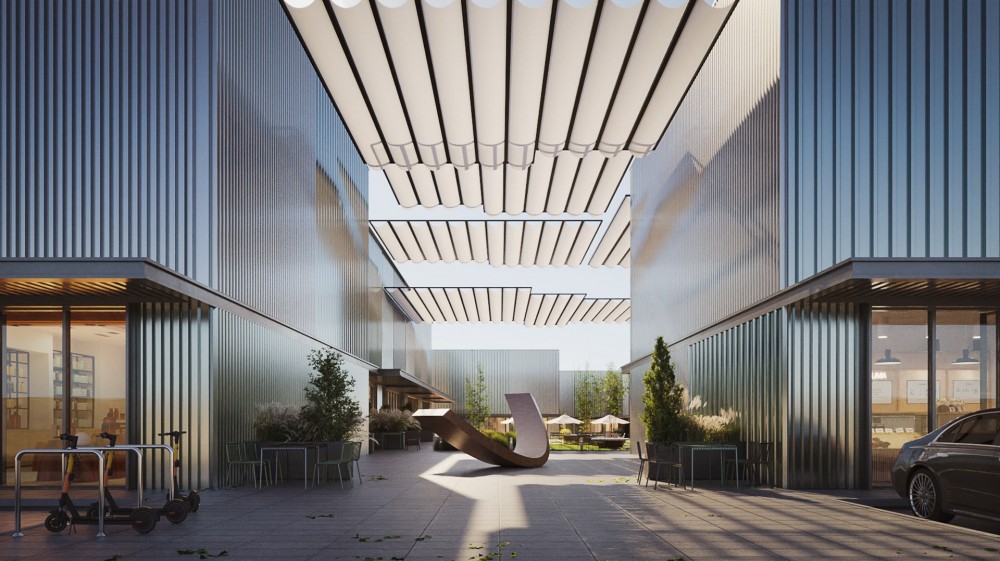
Modern businesses require more than just functional buildings. Today’s workplaces must inspire creativity, support productivity, reflect brand identity, and provide comfort for employees and visitors. This is where the expertise of a commercial architect becomes essential. By combining design innovation, technical knowledge, and strategic planning, architects help transform ordinary buildings into dynamic business environments that support growth and efficiency.
At the same time, industries such as hospitality also rely heavily on specialized design professionals. While hospitality architects focus on hotels, resorts, and guest-focused spaces, the design principles used in commercial architecture often overlap with hospitality concepts like user experience, comfort, and aesthetics. Together, these architectural approaches shape modern spaces that serve both functional and experiential purposes.
Understanding the Role of a Commercial Architect
A commercial architect is responsible for designing buildings intended for business activities. These can include office complexes, shopping centers, retail stores, corporate headquarters, restaurants, and mixed-use developments. Unlike residential projects, commercial architecture requires a deep understanding of regulations, structural requirements, safety standards, and business functionality.

The architect begins by understanding the client’s vision and business goals. This includes analyzing how the space will be used, the number of employees or visitors it will accommodate, and the brand message the company wants to communicate. Once the goals are clear, the architect develops a design plan that balances aesthetics, practicality, and compliance with building codes.
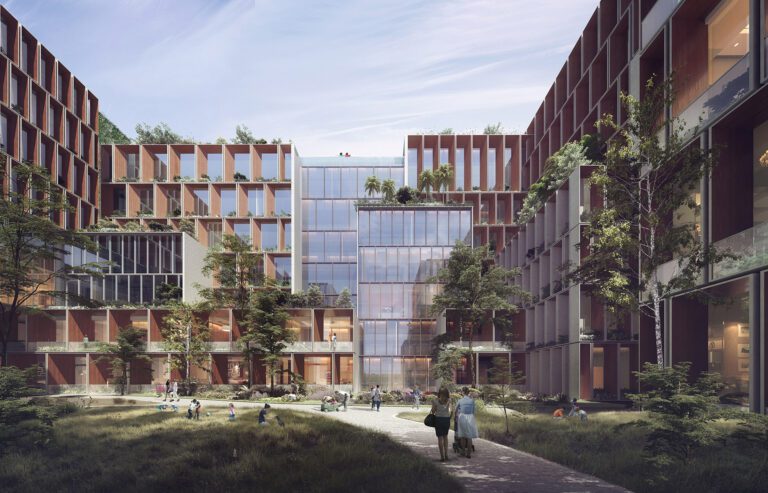
Creating Functional and Productive Work Environments
One of the most important ways a commercial architect transforms business spaces is by improving functionality. A well-designed layout ensures smooth movement, efficient workflows, and comfortable working conditions.
For example, modern offices often include open workspaces, collaborative meeting areas, quiet focus zones, and relaxation spaces. Architects carefully design these zones to enhance communication and productivity. Proper lighting, ventilation, and acoustics are also integrated into the design to ensure employees can work comfortably throughout the day.
By strategically organizing spaces, architects help companies make the most of their available area while supporting employee well-being and efficiency.

Reflecting Brand Identity Through Design
Architecture is a powerful tool for expressing a company’s identity. A skilled commercial architect incorporates branding elements directly into the design of a building. This may include specific color palettes, unique structural features, customized interiors, and distinctive entrances that create a strong first impression.
Retail stores and corporate headquarters often rely on architectural design to reinforce brand recognition. When visitors walk into a thoughtfully designed building, they immediately sense the values and personality of the company. This type of immersive brand experience can strengthen customer loyalty and enhance a company’s reputation.
Integrating Technology and Innovation
Modern business spaces rely heavily on advanced technologies, and architects play a critical role in integrating these systems into building designs. A commercial architect considers technology infrastructure from the early stages of planning.
Smart lighting systems, automated climate control, high-speed connectivity, and energy-efficient systems are now common in commercial buildings. These technologies not only improve operational efficiency but also reduce energy consumption and long-term costs.
Similarly, design strategies used by hospitality architects—such as seamless guest experiences, smart room features, and intuitive navigation—are increasingly influencing commercial architecture, especially in spaces like coworking hubs, corporate campuses, and conference centers.
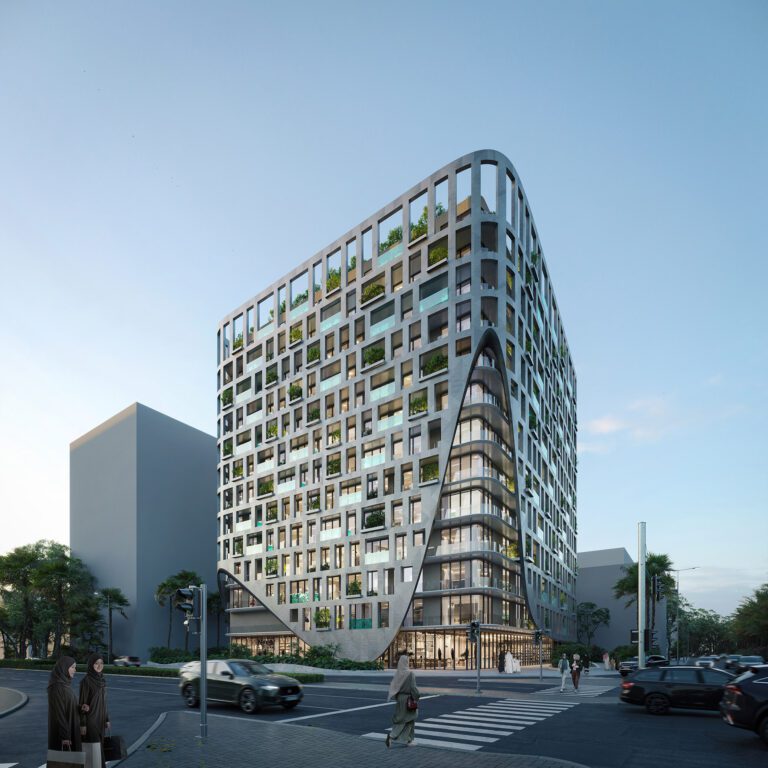
Prioritizing Sustainability and Environmental Responsibility
Sustainable design has become a major priority in modern architecture. Businesses are increasingly focused on reducing their environmental impact while improving operational efficiency. A professional commercial architect incorporates sustainable materials, energy-efficient systems, and environmentally friendly construction techniques.
Features such as natural lighting, green roofs, water-saving systems, and solar energy integration help reduce a building’s carbon footprint. These elements also create healthier environments for employees and visitors.
Interestingly, many of these sustainability practices are also widely adopted by hospitality architects, especially in eco-friendly resorts and hotels. As sustainability becomes a universal priority, both commercial and hospitality architecture continue to evolve with environmentally responsible solutions.
Enhancing Customer and Visitor Experiences
The design of a commercial space greatly influences how customers interact with a business. Architects focus on creating welcoming entrances, intuitive navigation, and comfortable public areas.
For example, shopping centers and corporate buildings are often designed with open atriums, natural lighting, and attractive landscaping. These features make the environment more inviting and enjoyable for visitors.
In hospitality design, guest experience is always the central focus. By applying some of the same principles used by hospitality architects, commercial architects can create spaces that feel engaging, comfortable, and memorable for customers.
Adapting to Changing Work Trends
The modern workplace continues to evolve rapidly. Hybrid work models, flexible office spaces, and shared environments are becoming increasingly common. A forward-thinking commercial architect designs buildings that can easily adapt to these changing needs.
Flexible floor plans, modular furniture systems, and multi-purpose areas allow companies to reconfigure their spaces as their operations grow or shift. This adaptability ensures that commercial buildings remain relevant and functional for many years.
Conclusion
Architecture plays a crucial role in shaping how businesses operate and interact with their employees and customers. A skilled commercial architect goes beyond basic construction by creating spaces that improve productivity, enhance brand identity, and support long-term growth. By incorporating advanced technologies, sustainable design strategies, and innovative layouts, architects help transform modern business environments into highly efficient and visually compelling spaces.
At the same time, the influence of hospitality architects continues to inspire commercial design by emphasizing comfort, experience, and human-centered spaces. Companies seeking to create impactful and future-ready business environments often collaborate with visionary design experts. Firms like ZNera Space demonstrate how thoughtful architectural planning can elevate commercial spaces into inspiring environments that support both business success and user satisfaction.





