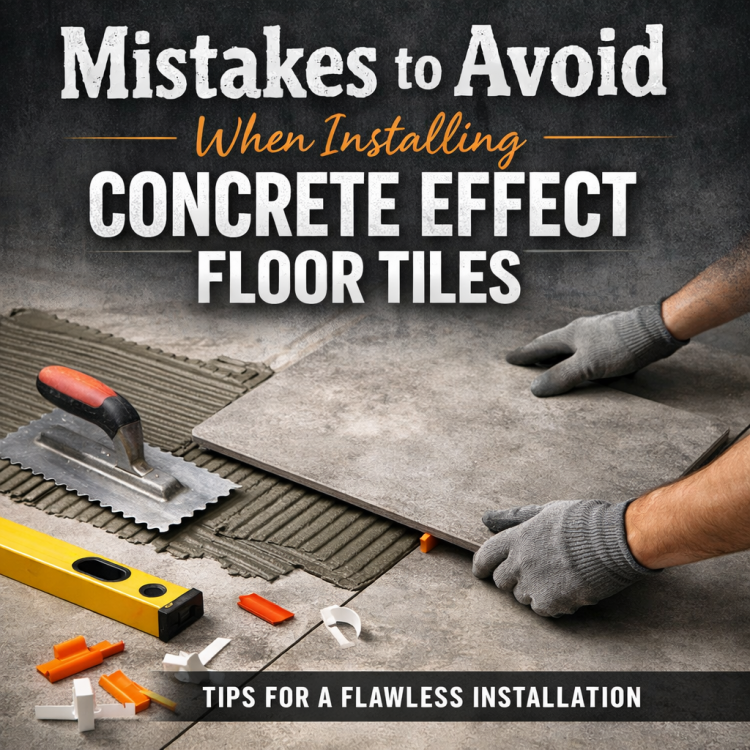
Concrete-style flooring has become a defining feature in modern interiors, offering a perfect balance of industrial aesthetics and practical performance. Homeowners and designers increasingly prefer concrete effect floor tiles for their durability, low maintenance, and stylish appeal. However, even the highest-quality tiles can fail to deliver the desired results if installation is not handled correctly.
Whether you are planning a DIY project or hiring a professional, understanding common installation mistakes is essential. Avoiding these errors ensures a flawless finish, long-lasting performance, and maximum return on your investment.
1. Ignoring Subfloor Preparation
One of the most critical mistakes is installing tiles on an uneven or poorly prepared surface. A stable, clean, and level subfloor is the foundation of a successful tile installation.

If the base is not properly levelled, it can lead to cracked tiles, uneven edges, and long-term structural issues. According to industry guidance, poor subfloor preparation is one of the leading causes of tile failure . Dust, debris, moisture, or existing cracks can weaken adhesion and compromise the entire flooring system.
Before installation, ensure the surface is:
- Completely clean and dry
- Free from cracks or damage
- Properly levelled using suitable compounds
Skipping this step might save time initially, but it often results in costly repairs later.
2. Not Allowing Tiles to Acclimatise
Tiles, like many building materials, react to temperature and humidity. Installing them immediately after delivery without allowing them to adjust to the room conditions can lead to expansion or contraction issues.
Experts recommend letting tiles sit in the installation area for at least 48 hours before installation . This simple step helps prevent gaps, warping, or stress after installation.

Acclimatisation is especially important in spaces with fluctuating temperatures, such as kitchens, conservatories, or open-plan living areas.
3. Poor Layout Planning
Jumping straight into installation without a proper layout plan is a common but avoidable mistake. Without planning, you may end up with awkward cuts, uneven patterns, or misaligned joints.
A well-thought-out layout ensures:
- Symmetrical design
- Minimal tile wastage
- Balanced visual appearance
Dry-laying tiles before fixing them permanently is highly recommended. This allows adjustments and ensures the final result aligns with your design vision.
4. Using the Wrong Adhesive or Technique
Not all tiles require the same adhesive or installation method. Modern tiles, especially large-format designs, need proper bonding techniques to avoid hollow spaces underneath.
Incorrect adhesive application can lead to:
- Loose tiles
- Hollow sounds when walked on
- Cracking under pressure
Professionals recommend full mortar coverage rather than spot bonding, as gaps beneath tiles can weaken structural support over time .
Choosing the right adhesive based on tile type and room conditions is essential for long-term durability.
5. Forgetting Expansion Gaps
Tiles expand and contract with temperature changes. Failing to leave expansion gaps around edges or between tiles can cause them to crack or lift over time.
Proper spacing allows natural movement and prevents stress buildup. Using spacers during installation ensures consistent joints and a professional finish.
This is particularly important in larger rooms or areas exposed to heat, such as underfloor heating systems.
6. Incorrect Grout Selection and Application
Grout plays both a functional and aesthetic role in tile installation. Choosing the wrong grout colour or type can negatively impact the overall look and performance.
Common grout mistakes include:
- Uneven application
- Incorrect mixing ratios
- Skipping sealing in moisture-prone areas
Improper grouting can lead to water penetration, staining, and weakened joints over time. Additionally, selecting a grout colour that clashes with the tile design can disrupt the visual harmony of the space.
7. Not Ordering Enough Tiles
Running out of tiles mid-project is more common than you might think. It not only delays the installation but can also result in mismatched shades if a new batch is ordered later.
Experts typically recommend ordering 10–15% extra tiles to account for cuts, breakage, and future repairs .
Planning ahead ensures consistency in colour and finish, especially when working with stylish surfaces like concrete effect floor tiles.
8. Overlooking Slip Resistance
While aesthetics are important, safety should never be compromised. Some tiles may look stunning but lack the necessary grip for certain areas.
Ignoring slip resistance is a major mistake, particularly in:
- Bathrooms
- Kitchens
- Entryways
Tiles with appropriate texture or anti-slip properties help reduce the risk of accidents, especially in wet environments.
9. Rushing the Installation Process
Tile installation is a process that requires patience and precision. Rushing through steps such as adhesive application, alignment, or curing time can lead to long-term problems.
For example:
- Walking on tiles before adhesive sets can shift alignment
- Skipping curing time weakens bonding
- Improper sealing reduces durability
Allowing proper drying and curing time is essential for achieving a strong and stable finish.
10. Attempting Complex Installations Without Expertise
While DIY projects can be rewarding, complex tile installations often require professional expertise. Patterns, large-format tiles, or intricate layouts demand precision and experience.
Hiring professionals ensures:
- Accurate cutting and placement
- Proper use of tools and materials
- Long-lasting results
For homeowners looking to achieve premium results, sourcing high-quality tiles from trusted suppliers like Italian Tiles Outlet and ensuring expert installation can make all the difference. Italian Tiles Outlet offers carefully curated tile collections designed to combine style with performance, helping achieve a flawless finish.
Final Thoughts
Installing concrete effect floor tiles is an excellent way to elevate any space with a modern and sophisticated look. However, the success of your flooring project depends heavily on proper installation.
Avoiding common mistakes such as poor preparation, incorrect materials, and rushed work ensures your tiles remain durable, functional, and visually appealing for years to come.
By combining quality products with the right techniques and choosing reliable suppliers like Italian Tiles Outlet you can create a space that truly reflects style, strength, and long-term value.
FAQs
1. How long do concrete-style tiles last?
With proper installation and maintenance, they can last for decades due to their durability and resistance to wear.
2. Can I install these tiles myself?
DIY installation is possible, but professional installation is recommended for complex layouts or large areas to avoid costly mistakes.
3. Do I need to seal these tiles?
Most modern tiles are low-maintenance, but sealing may be required depending on the type and installation area.
4. What is the biggest installation mistake to avoid?
Poor subfloor preparation is the most common and costly mistake, as it affects the entire flooring system.
5. Are these tiles suitable for wet areas?
Yes, they are moisture-resistant, but proper installation, grout sealing, and slip-resistant finishes are essential for safety.